
Category: Medications - Page 3
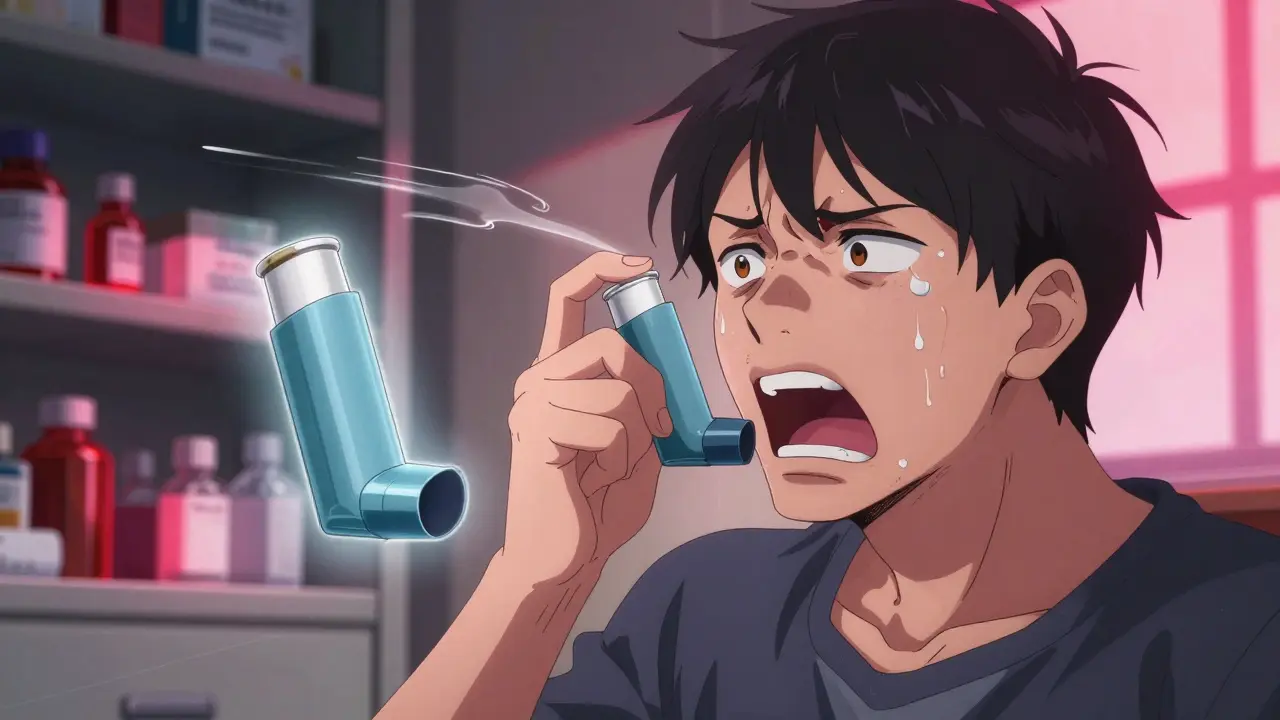
Expired inhalers, eye drops, and topical medications can be dangerous to use and must be disposed of properly. Learn how to safely manage, dispose of, and replace these critical meds to avoid health risks and environmental harm.
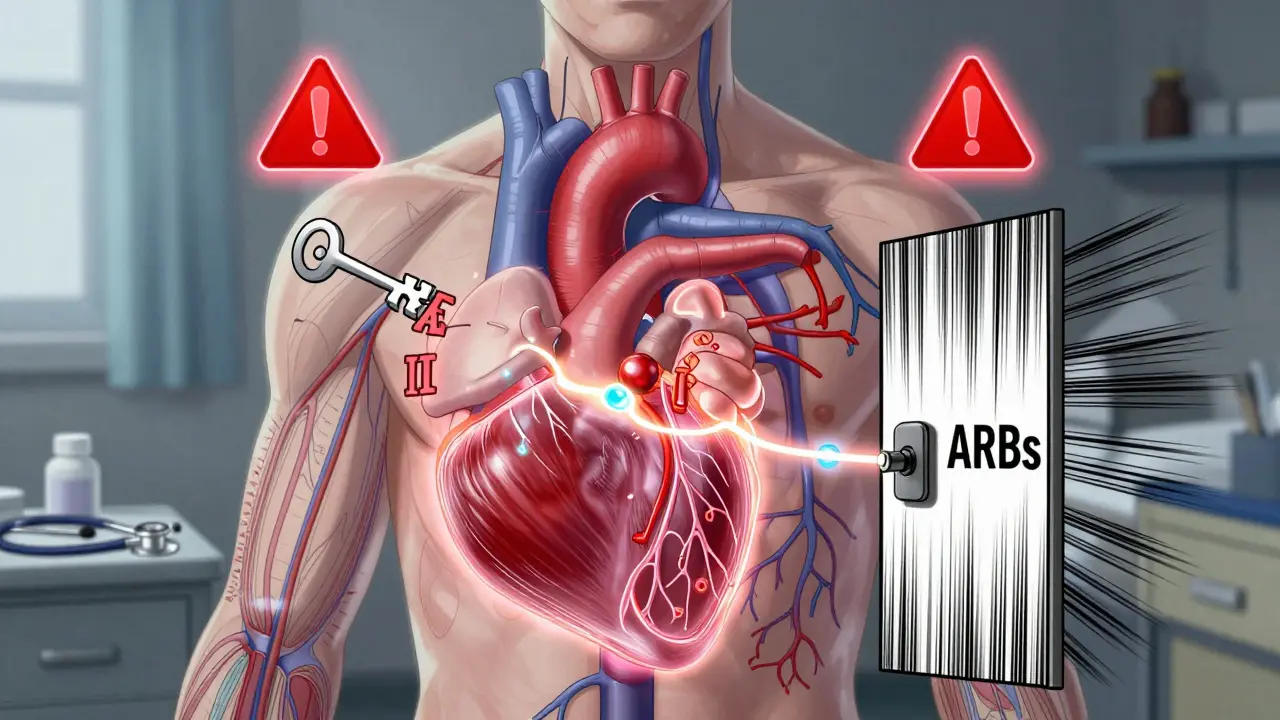
ACE inhibitors and ARBs treat high blood pressure and kidney disease but should not be combined. Learn why mixing them raises risks of kidney injury and high potassium-with safer alternatives and current guidelines.
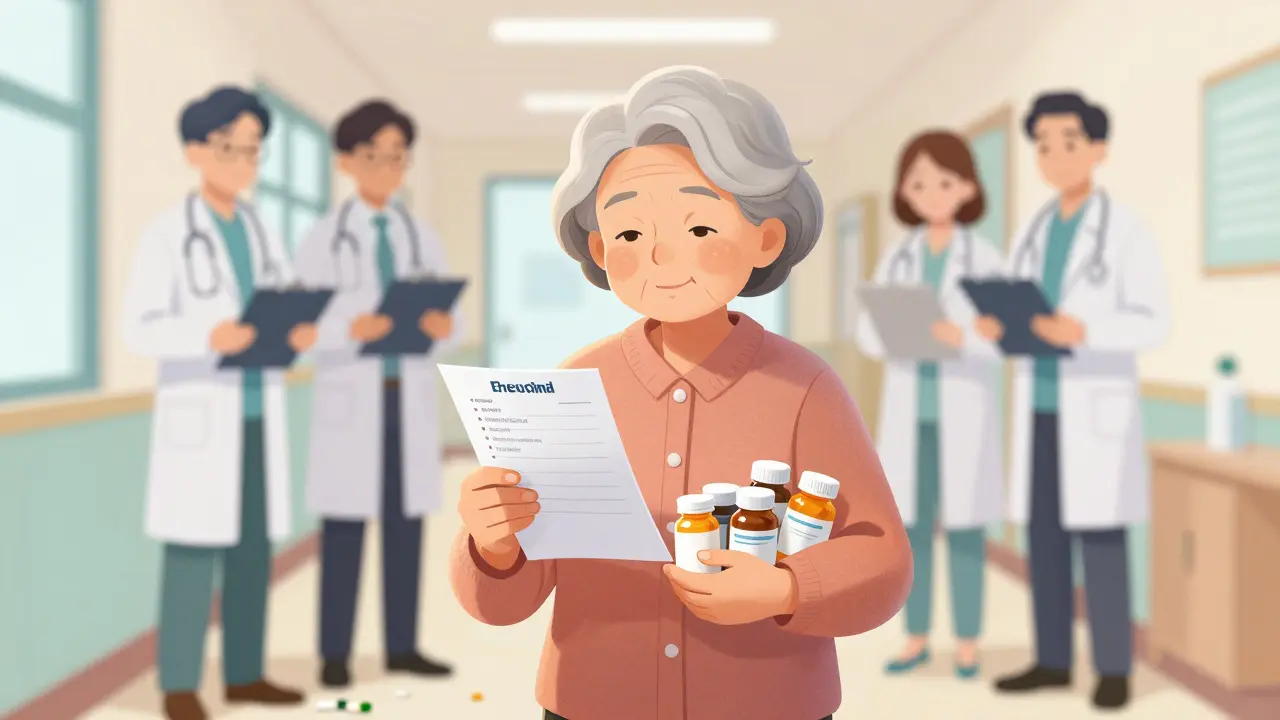
Learn how seniors can prevent dangerous duplicate medications after specialist visits by keeping a full medication list, using one pharmacy, and asking the right questions at every appointment.

Macrolide antibiotics like azithromycin and clarithromycin can prolong the QT interval, increasing the risk of dangerous heart arrhythmias. Learn who’s at risk, how to spot warning signs, and what alternatives exist.
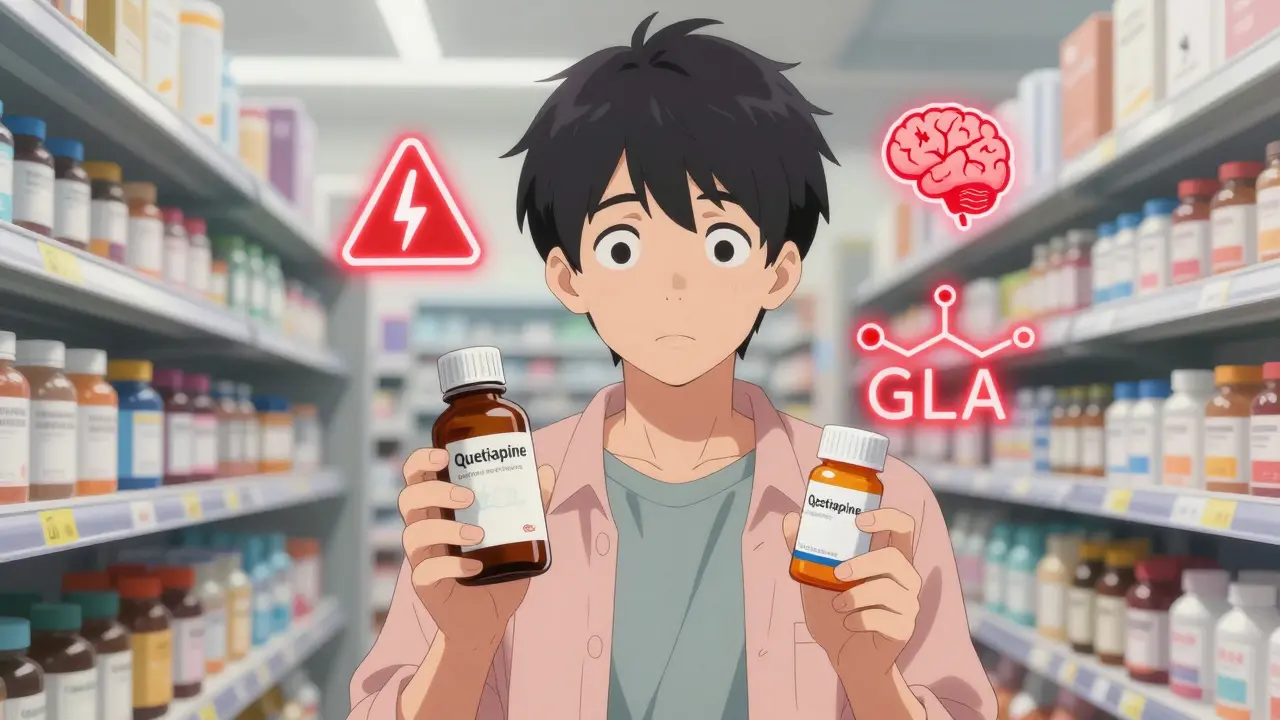
Evening primrose oil may interact with antipsychotics and lower seizure threshold, but evidence is conflicting. Learn what the latest research says and how to stay safe.

Post-market studies on generic drugs track safety after FDA approval since these drugs aren't tested in large clinical trials. Learn how adverse events are monitored, why manufacturer differences matter, and what patients should watch for.

Generic drug quality issues stem from manufacturing flaws at foreign plants, leading to recalls, impurities, and dangerous treatment failures. FDA inspections are inadequate, data integrity is poor, and high-risk drugs are especially vulnerable.

Learn how to check your Medicare Part D drug coverage tiers and spot formulary changes before they raise your medication costs. Avoid surprise bills with simple steps and expert tips.
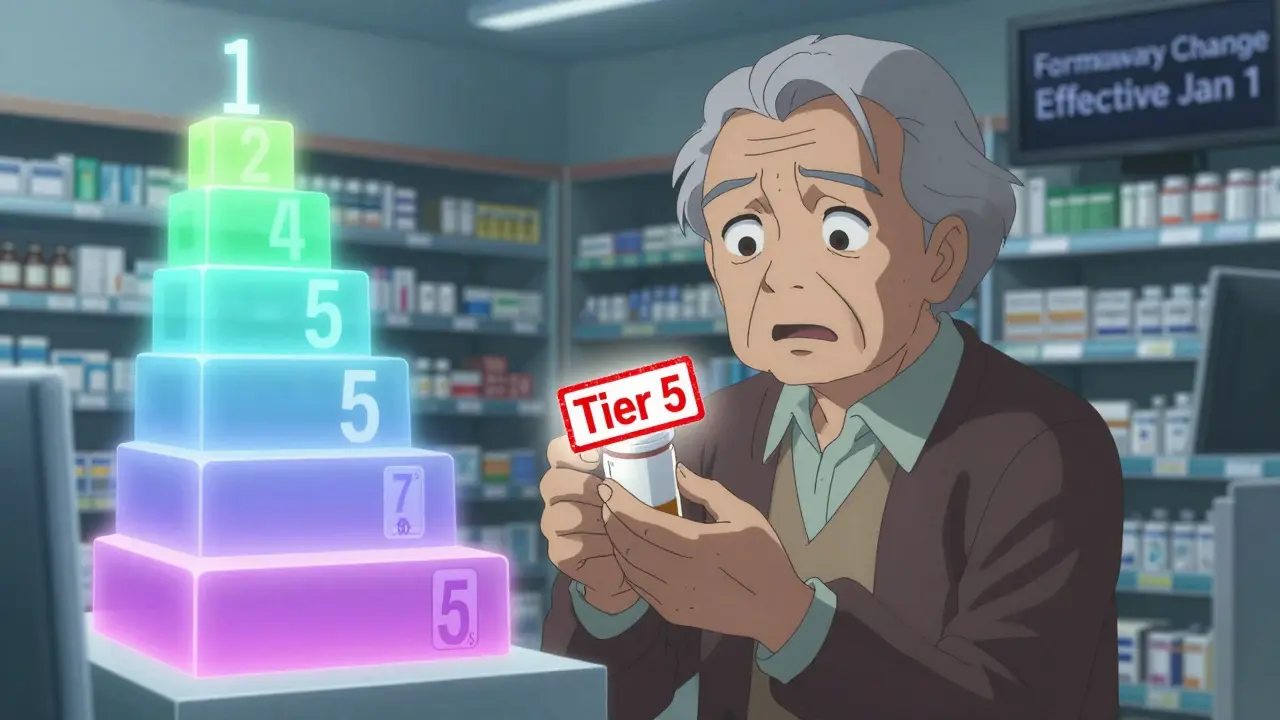
Learn how to check your Medicare Part D drug coverage tiers and spot formulary changes before they raise your costs. Essential guide for seniors managing prescription expenses.
Learn when to choose liquid or tablet medications for children in 2025. Discover why tablets are often safer, cheaper, and more effective - even for toddlers - and how to help your child swallow pills successfully.