
When you pick up a generic pill at the pharmacy, you’re getting the same active ingredient as the brand-name version - but that’s where the similarity often ends. The FDA approves generics based on bioequivalence: they must deliver the same amount of drug into your bloodstream at the same rate as the original. But here’s the catch: generic drugs don’t go through the same clinical safety trials as brand-name drugs. That means side effects, rare reactions, or even quality issues might not show up until thousands - or millions - of people start taking them.
Why Post-Market Surveillance Matters for Generics
Brand-name drugs are tested in clinical trials involving up to 5,000 people, usually healthy adults under controlled conditions. But real life isn’t controlled. Real patients are older, have multiple conditions, take other medications, and may not take their pills exactly as directed. These are the people who end up on generics - and they’re the ones who might experience problems that never showed up in the lab. That’s why the FDA doesn’t stop watching once a generic hits the shelves. Post-market studies and surveillance are the safety net. They’re not optional. They’re required. The FDA’s Sentinel Initiative, launched in 2008 and fully running by 2016, scans health records from over 300 million Americans. It looks for patterns - spikes in hospital visits, unusual side effects, or sudden drops in effectiveness - that could point to a problem with a specific generic drug. A 2021 study in JAMA Internal Medicine found that 68% of serious adverse events linked to cardiovascular generics weren’t listed on the drug’s label when it was approved. That’s not a failure of the approval process. It’s proof that you can’t predict everything in a small, controlled trial. Real-world use is the only way to see the full picture.How the FDA Tracks Generic Drug Safety
The FDA doesn’t just wait for reports. It actively hunts for trouble. Here’s how:- MedWatch: Doctors, pharmacists, and patients can report side effects directly to the FDA. In 2022, over 1.2 million reports came in - and 78% of all drug recalls that year were for generic products.
- Electronic Health Records (EHR): Sentinel scans data from hospitals, clinics, and insurers to spot trends. If a certain generic version of a blood thinner starts showing up in ER visits for bleeding, the system flags it.
- Manufacturers’ Reports: Generic drug makers are legally required to report serious side effects within 15 days. Less serious ones go in quarterly reports.
- Product Quality Checks: Sometimes it’s not the drug itself - it’s the pill. Tablets that dissolve too slowly, liquid suspensions that form clumps, or patches that fall off early can all cause problems. In 2022, the FDA recalled 1,247 generic products over quality issues like these.
The Hidden Problem: Who Made Your Pill?
One of the biggest gaps in the system? Nobody knows which company made the generic drug you took. A 2023 Government Accountability Office report found that only 35% of adverse event reports for generics include the manufacturer’s name. Why? Because patients don’t know. Pharmacists often swap brands without telling them. And even doctors might not know which version was dispensed. This creates chaos. If 10 different companies make levothyroxine - the thyroid hormone - and one of them has a formulation issue, the FDA can’t tell which one is causing the problem. Patients might report palpitations or anxiety after switching, but without knowing the manufacturer, the FDA can’t target its investigation. That’s why some experts are pushing for barcode tracking on generic pills or blockchain-based supply chains. Pilot programs are already underway at five major generic manufacturers to trace each batch from factory to pharmacy.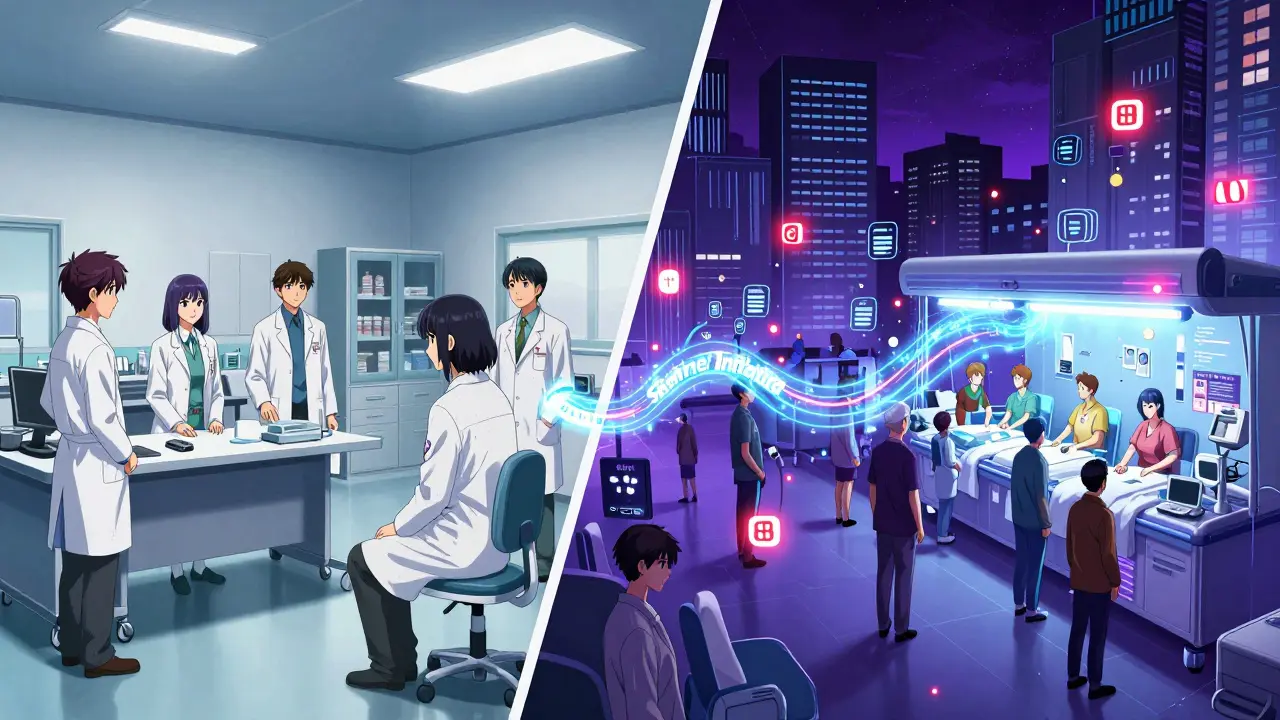
Real Stories: What Patients and Providers Are Seeing
Healthcare providers are the ones noticing the subtle shifts. A 2022 survey of 1,500 U.S. physicians by the American Medical Association found that 42% had seen differences in how patients responded to different generic versions of narrow therapeutic index drugs - medicines where even small changes in dose can cause big problems. These include:- Warfarin (blood thinner)
- Levothyroxine (thyroid hormone)
- Phenytoin (seizure control)
- Lithium (bipolar disorder)
Who’s Responsible? And What’s It Cost?
Generic drug manufacturers must have full pharmacovigilance systems in place. That means teams dedicated to collecting, analyzing, and reporting safety data. According to Tufts Center for the Study of Drug Development, the average generic company spends $1.2 million per year just on safety monitoring. Newer companies often take 18 to 24 months to build systems that meet FDA standards. The FDA has issued warning letters to big players like Teva Pharmaceuticals for failing to report adverse events properly - and those delays blocked new product approvals for six months. Large manufacturers - the top 20 companies - are investing in AI tools to detect safety signals faster. Seventy-eight percent use automated systems to scan reports for patterns. Smaller companies? Most still rely on manual reviews. That’s a problem. In a sea of 10,000 generic products, human eyes can’t catch everything.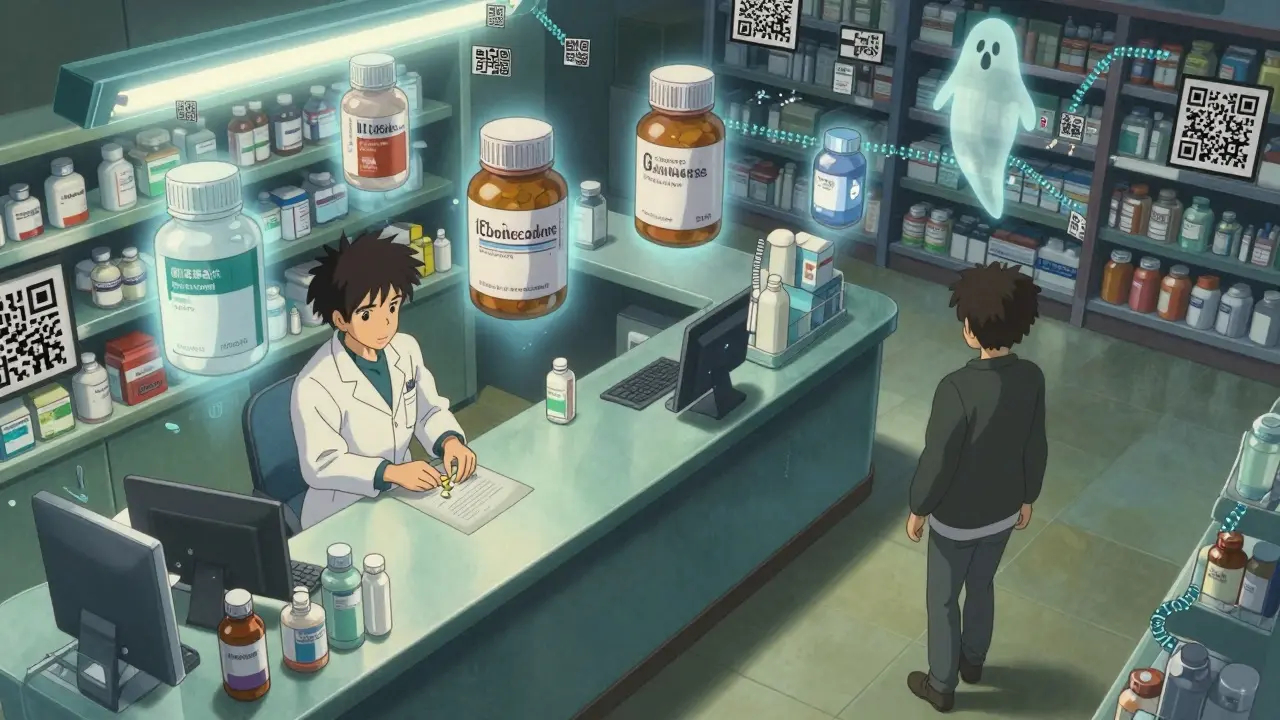
What’s Changing in 2025 and Beyond
The FDA is stepping up. In 2023, it launched GDUFA III, a new funding plan that includes $15 million specifically for better generic drug safety tracking. The agency is also developing product-specific surveillance plans for high-risk generics - like inhalers, injectables, and transdermal patches - by 2025. The Sentinel Initiative’s new “Common Data Model Plus,” rolled out in January 2023, now includes data on social factors like income, housing, and access to care. Why? Because a patient’s ability to store a pill properly or afford refills can affect how a drug works - and that’s part of safety, too. The goal? Move from reactive surveillance - waiting for reports - to proactive detection. The FDA wants to find problems before they become crises.What You Should Know as a Patient
If you’re taking a generic drug:- Stick with the same manufacturer if it works for you. Don’t switch unless your doctor or pharmacist tells you it’s safe.
- Write down the name on the pill bottle. If you notice new side effects, you’ll know which version you were taking.
- Report anything unusual - even if you’re not sure. Use MedWatch or ask your doctor to file a report.
- Don’t assume all generics are identical. For narrow therapeutic index drugs, small differences matter.
Are generic drugs less safe than brand-name drugs?
No, generic drugs are not inherently less safe. They must meet the same FDA standards for quality, strength, and purity as brand-name drugs. But because they’re approved based on bioequivalence - not new clinical trials - rare or long-term side effects may not be known until after they’re widely used. That’s why post-market surveillance is critical. The FDA monitors generics just as closely as brand-name drugs after approval.
Can different generic versions of the same drug have different side effects?
Yes. While the active ingredient is identical, the inactive ingredients (fillers, binders, coatings) can vary between manufacturers. These differences can affect how quickly the drug dissolves or is absorbed. For drugs with a narrow therapeutic index - like levothyroxine, warfarin, or lithium - even small changes in absorption can lead to noticeable side effects or reduced effectiveness. That’s why it’s often best to stick with the same generic brand once you find one that works.
Why do some patients report problems after switching to a different generic?
Switching between generic manufacturers can change how the drug behaves in your body. Different formulations may dissolve at slightly different rates, leading to higher or lower blood levels of the drug. This is especially noticeable with medications where precise dosing matters - like thyroid hormone, seizure drugs, or blood thinners. Some patients feel fine, others notice fatigue, dizziness, or heart palpitations. If you feel different after a switch, tell your doctor and ask if you can return to your previous version.
How does the FDA decide which generic drugs to monitor more closely?
The FDA uses a risk-based approach. Drugs with complex delivery systems - like inhalers, injectables, or transdermal patches - get more attention. So do generics with a history of recalls, those used by vulnerable populations (like the elderly or children), or those with a narrow therapeutic index. In 2022, 40% of new safety reviews targeted complex generics, especially drug-device combinations.
What should I do if I think a generic drug is causing side effects?
First, talk to your doctor. Don’t stop taking the medication without medical advice. Then, report the issue. You can file a report directly with the FDA through MedWatch, or ask your pharmacist or provider to do it for you. Include the drug name, manufacturer, lot number (if available), and details about the side effect. Your report helps the FDA detect patterns and take action if needed.
Are there any recent recalls of generic drugs I should know about?
The FDA issues recalls regularly, often due to quality issues like inconsistent dissolution, contamination, or packaging defects. In 2022, 1,247 generic drug recalls occurred - nearly 80% of all drug recalls that year. Common causes included tablets that didn’t break down properly, liquid medications forming clumps, or patches that didn’t stick. You can check current recalls on the FDA’s website or sign up for their Drug Safety Alerts.
What Comes Next
The future of generic drug safety isn’t just about more reports - it’s about smarter data. The FDA is moving toward real-time monitoring using AI, linking prescription records with hospital data, and tracking which manufacturer’s product each patient receives. If this works, we’ll stop guessing who caused a problem - and start fixing it fast. For now, the system works - but only if we all help. Patients speak up. Providers report. Manufacturers stay vigilant. And regulators keep watching. Because safety doesn’t end at the pharmacy counter. It begins there - and it never stops.Releted Post

Caspian Fothergill
Hello, my name is Caspian Fothergill. I am a pharmaceutical expert with years of experience in the industry. My passion for understanding the intricacies of medication and their effects on various diseases has led me to write extensively on the subject. I strive to help people better understand their medications and how they work to improve overall health. Sharing my knowledge and expertise through writing allows me to make a positive impact on the lives of others.
Bro, generics are literally just brand-name drugs with a bad wig and a discount sticker. The FDA lets them skip the real trials? That’s not oversight, that’s corporate welfare. I took some generic Adderall last year and felt like my brain was wrapped in wet cardboard. Brand kept me alive. Generic made me question my life choices.
Ohhh so now we’re blaming Big Pharma for not testing on 500 million people before releasing pills? 😂
Next you’ll say we need to test every cough drop on astronauts before letting it hit CVS.
Generics save lives AND wallets. Stop being a drama llama.
i read this whole thing and im like… wow. i switch generics all the time bc my insurance changes and i never thought about the manufacturer. also i have no idea what my pill looks like lmao. but my blood pressure is fine so maybe im lucky??
Let me tell you something about the soul of medicine.
When you swallow a pill, you’re not just ingesting chemistry-you’re trusting a system built by corporations that outsourced production to factories where workers earn less than your coffee habit.
The FDA doesn’t ‘watch’-they rubber-stamp and look away. The real danger isn’t the drug-it’s the illusion of safety. We’ve been conditioned to believe that ‘FDA-approved’ means ‘safe.’ But safety is a myth sold to us by people who profit from our compliance.
That generic levothyroxine? It’s not a pill. It’s a gamble. And you’re the house.
Wake up. The system is rigged. And your thyroid? It knows.
While the article presents a compelling and meticulously researched overview of post-market surveillance mechanisms for generic pharmaceuticals, I would respectfully emphasize the importance of structured, standardized reporting protocols across all stakeholder groups. The variability in patient and provider awareness, as well as the absence of mandatory manufacturer labeling on dispensed products, represents a systemic vulnerability that warrants immediate policy attention. The ethical imperative to ensure equitable access to safe therapeutics must not be compromised by operational inefficiencies.
How is it even legal that you don’t know who made the pill you just swallowed? That’s not healthcare-that’s Russian roulette with your endocrine system.
And let’s not pretend the FDA is some noble guardian. They’re a glorified paper-pusher for Big Pharma’s shadow subsidiaries. You think Teva gives a damn about your heart palpitations? They care about quarterly earnings and how many lawsuits they can bury under NDAs.
And don’t get me started on the fact that the same company makes 12 different versions of levothyroxine and you’re just supposed to hope you get the ‘good’ one.
It’s not a healthcare system. It’s a casino. And you’re the sucker holding the losing ticket.
USA think they own medicine? Generic drugs made in china, india, africa-where people work for 50 cents a day and no one checks the pills. FDA? More like FAKE-D. You think your blood pressure pill is safe? It’s full of dust, rat hair, and American propaganda.
They give you generics so you stay poor. So you can’t afford the real medicine. So you stay dependent. Wake up, sheeple.
This is such an important conversation-and I want to encourage everyone reading this to be your own advocate. If you’ve noticed a change after switching generics, write it down. Tell your pharmacist. File a report. Your voice matters. And if you’re someone who’s been scared to speak up because you thought it was ‘just in your head’-it’s not. You’re not imagining it. Your body is telling you something. Let’s make sure the system hears you.