
Pharmadoctor.co.uk: Your Online Pharmaceutical Guidance - Page 2
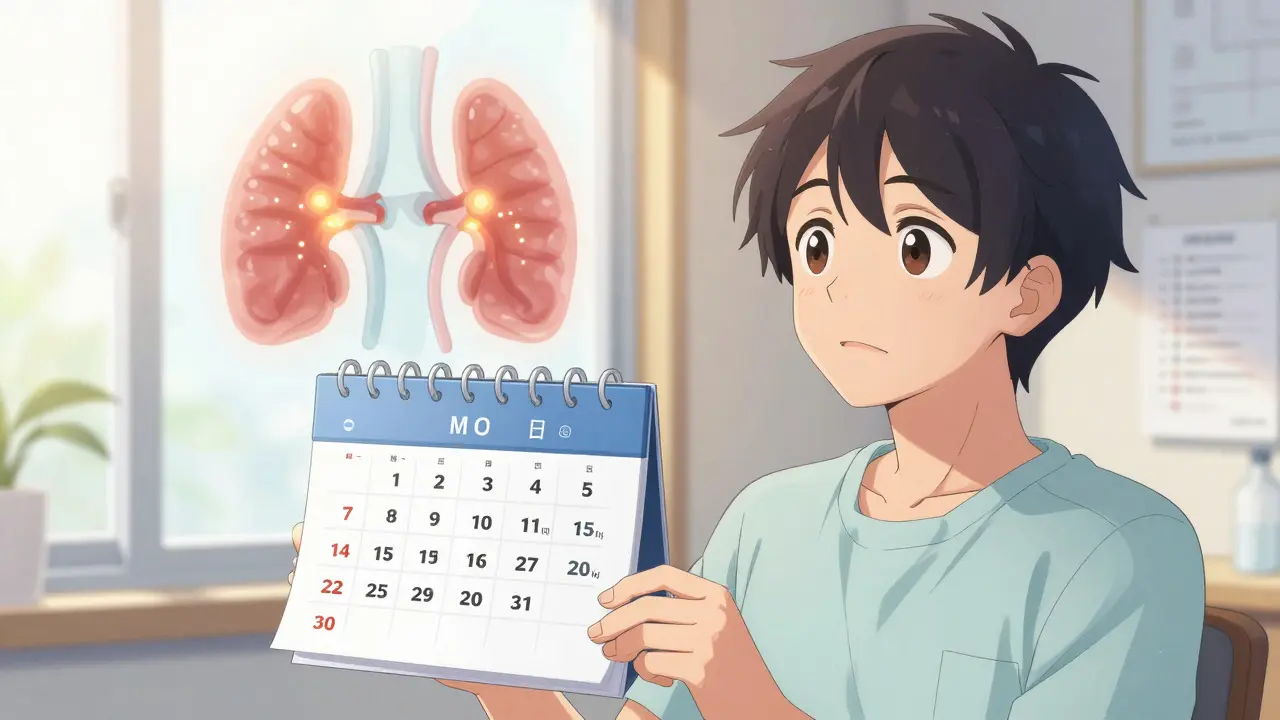
Learn safe steroid taper schedules to prevent adrenal crisis. Discover real-world examples, dosing protocols, and patient-tested strategies for stopping prednisone and other steroids without triggering a life-threatening reaction.

Lyme disease is the most common tick-borne illness in the U.S., with nearly half a million cases yearly. Early treatment with antibiotics can cure it - but missing the signs leads to long-term problems. Know the rash, act fast, and prevent bites.

Safe migraine treatments during pregnancy and breastfeeding exist - from acetaminophen and magnesium to triptans and non-drug therapies. Learn what works, what to avoid, and how to time meds for minimal baby exposure.

Dizziness and lightheadedness are common side effects of many medications, affecting millions each year. Learn which drugs cause it, why it happens, and how to manage it safely without stopping essential treatments.
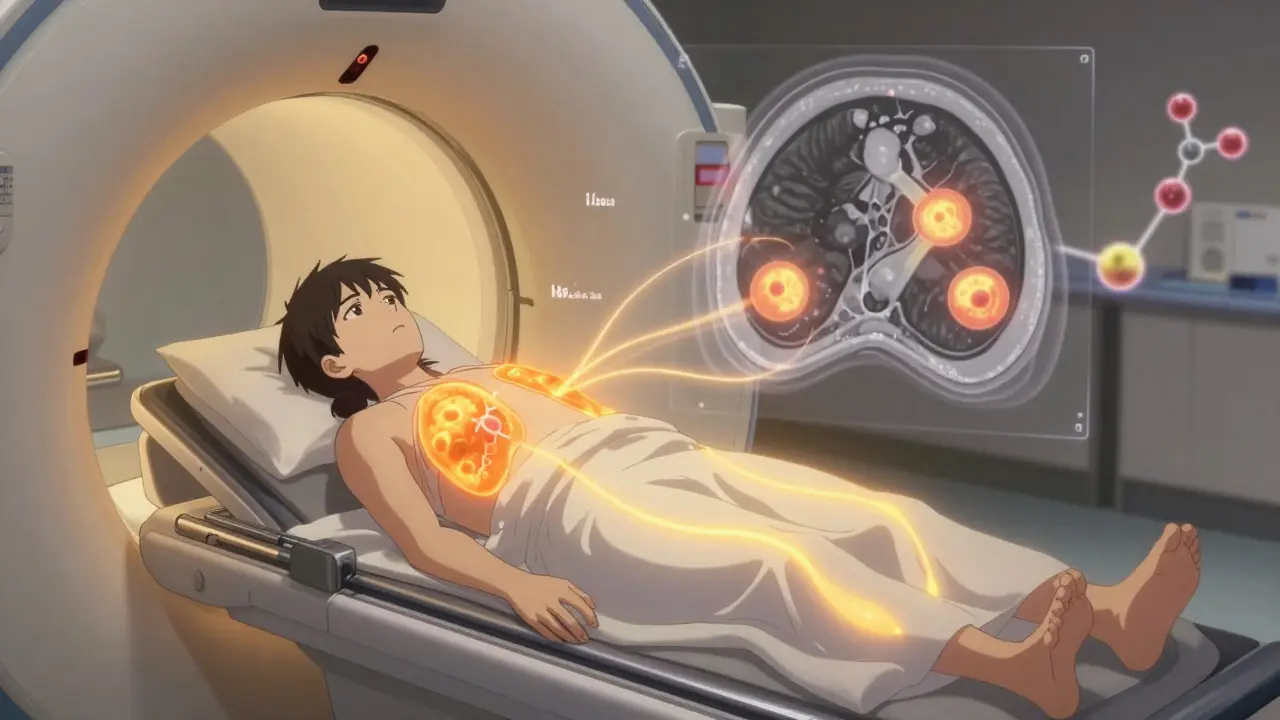
PET-CT, MRI, and PET-MRI each play unique roles in cancer staging. PET-CT finds spread, MRI shows soft tissue detail, and PET-MRI combines both for complex cases. Learn which scan is best for your cancer type.
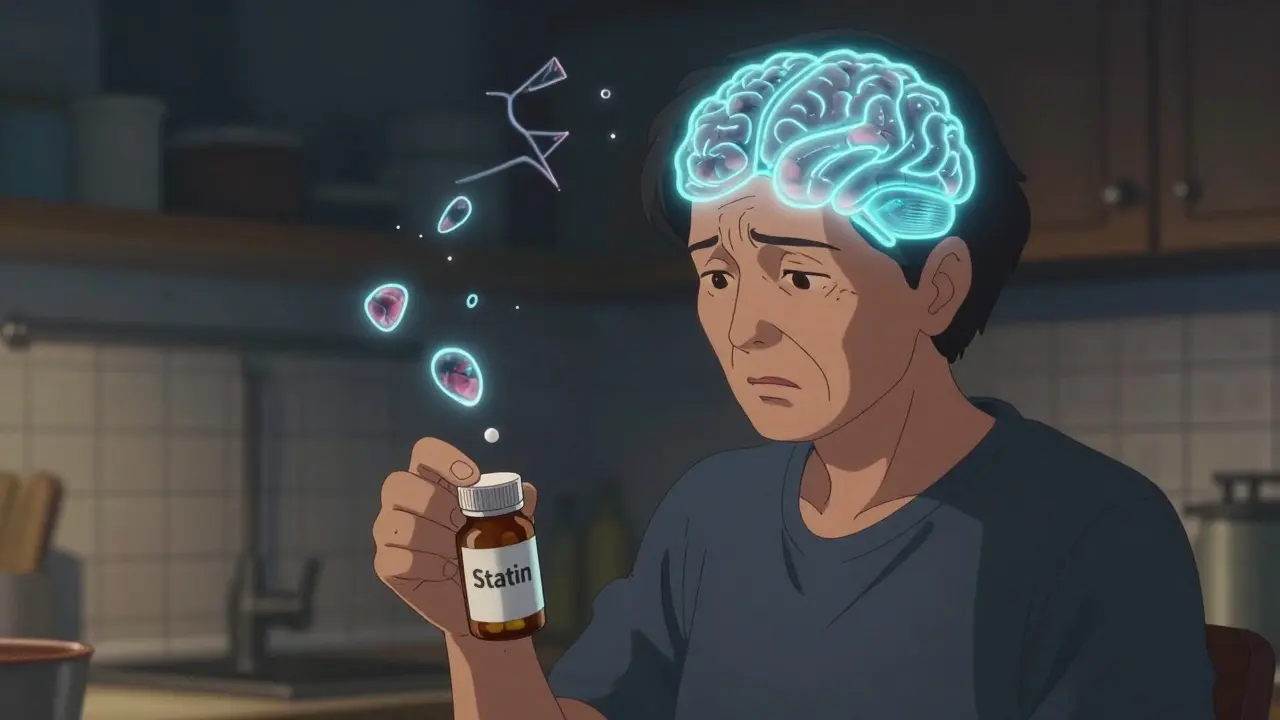
Statins can cause temporary memory issues in some people, but long-term studies show they lower dementia risk. Learn what really causes brain fog, which statins are safest, and what to do if you're concerned.

Intentional overdose is a leading method of suicide in the U.S., especially among teens and middle-aged adults. Learn how crisis resources like 988, Crisis Text Line, and community programs are saving lives-and why funding cuts could undo years of progress.
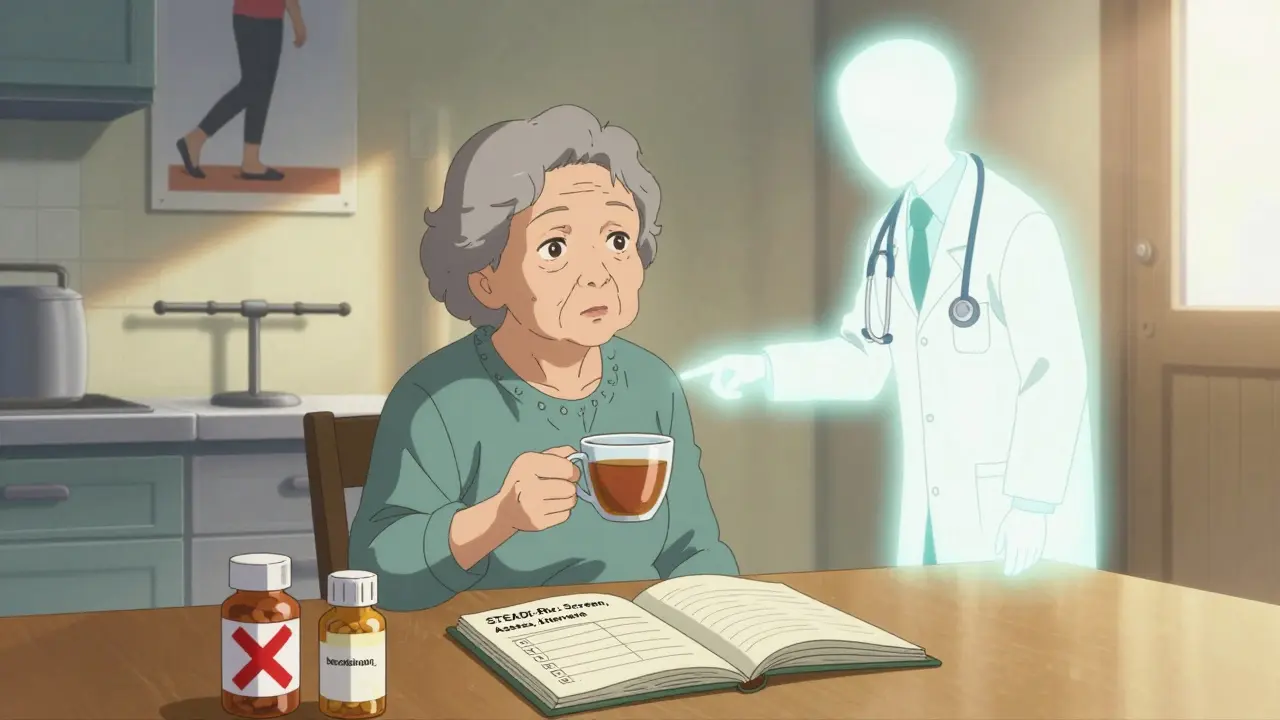
Sedating medications are a leading cause of falls in older adults. Learn proven strategies - from medication reviews to exercise - that can cut fall risk by over 30% and save lives.
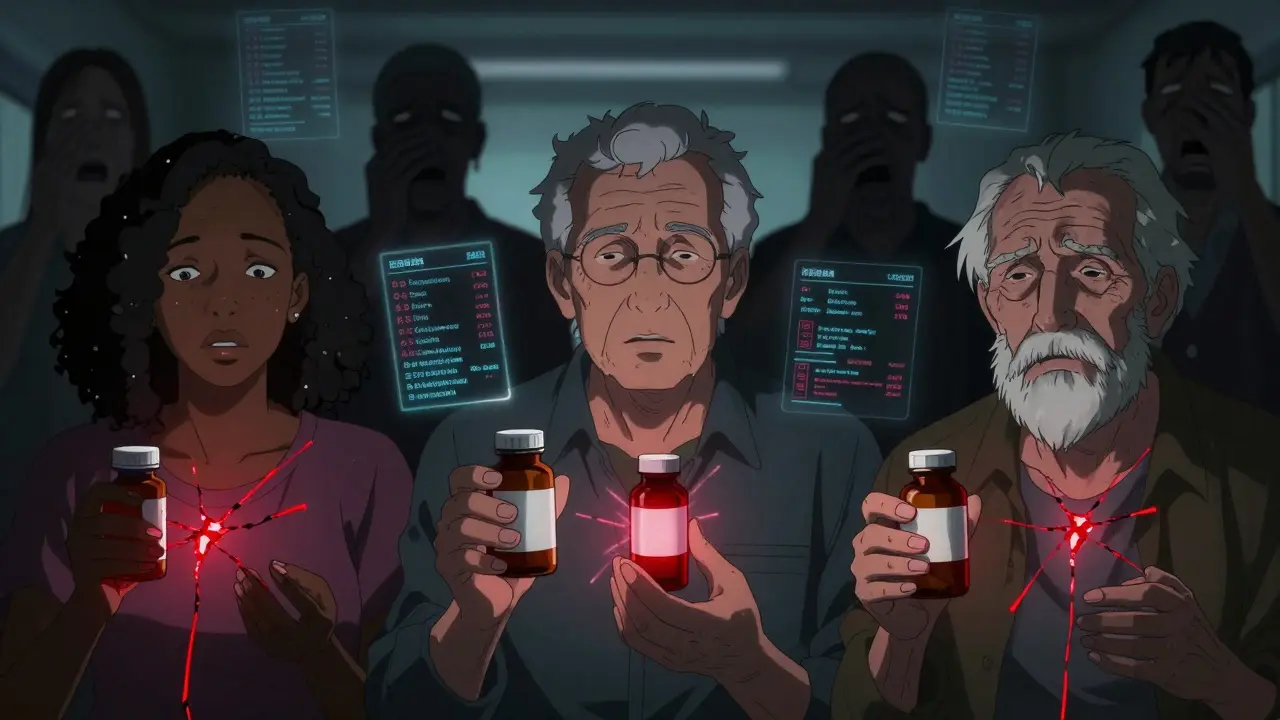
Health disparities in medication safety are not accidental - they’re systemic. Marginalized communities face higher risks of harmful drug errors due to bias, language barriers, and unequal access. Fixing this requires real data, inclusive research, and systemic change.
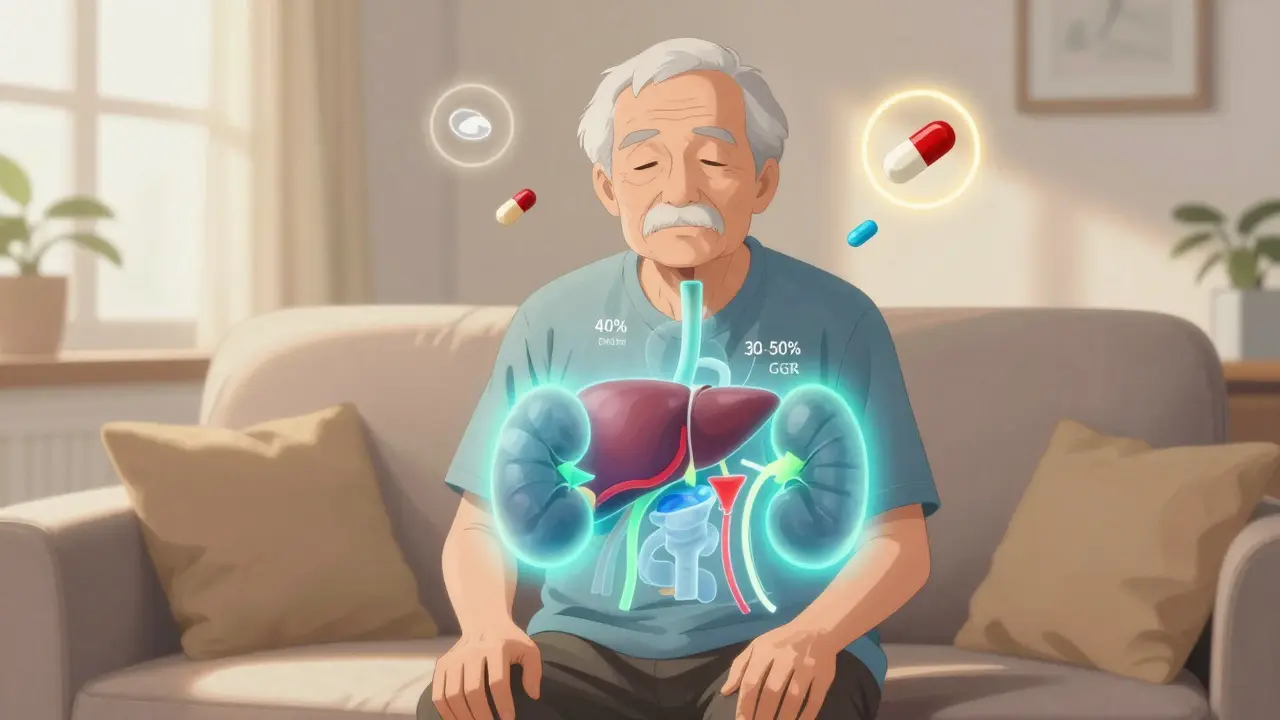
As we age, liver and kidney changes alter how drugs are processed - leading to higher risks of side effects and hospitalizations. Learn how these changes affect common medications and what you can do to stay safe.