
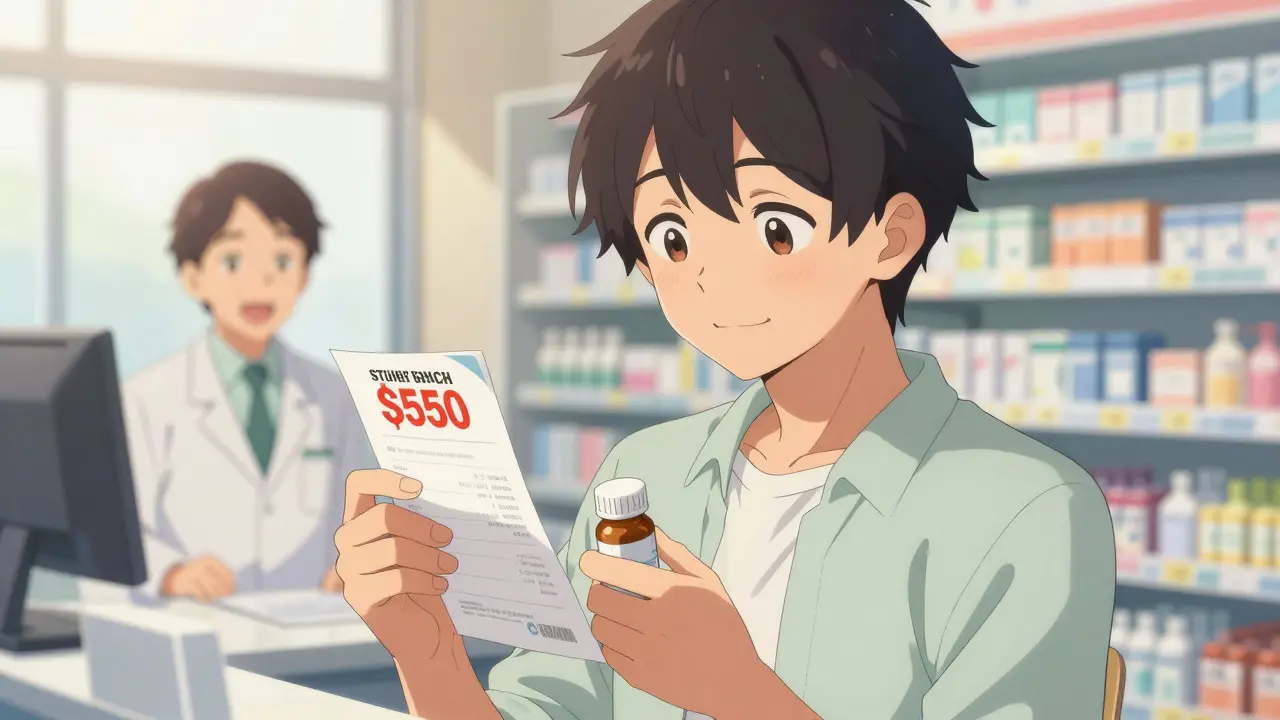
Imagine paying $500 for your prescription each month, then suddenly seeing $100 on your receipt. That’s the reality for millions using manufacturer savings programs financial tools offered by pharmaceutical companies to reduce out-of-pocket costs for brand-name drugs. These programs, created by drug companies to help patients afford expensive medications, slash costs by up to 85%. But they’re not magic-there are rules, limits, and pitfalls you need to know. Let’s cut through the confusion.
What exactly are manufacturer savings programs?
Copay assistance programs and patient assistance programs (PAPs) are the two main types. Copay cards let you pay a fixed low amount at the pharmacy (like $5 or $10), while PAPs often provide free medication for low-income patients. They became widespread after 2005 when the pharmaceutical industry formalized them. Today, nearly one-third of brand prescriptions in diabetes, asthma, and blood clot treatments use these programs. For example, a diabetes patient on Jardiance reduced costs from $562.50 to $100 monthly using the manufacturer coupon, as documented in Maine Legislature testimony.
Who qualifies?
These programs are only for people with private insurance. If you’re on Medicare, Medicaid, or other government plans, federal law blocks you from using them. Why? Because anti-kickback rules prevent drug companies from offering discounts that might influence patients to choose pricier brand drugs over cheaper generics. Also, check if your insurance plan has "accumulator adjustment programs"-these prevent manufacturer discounts from counting toward your deductible or out-of-pocket maximums. About 87% of large employers use these programs, which can make your savings pointless.
Step-by-step guide to using these programs
- Find your drug’s manufacturer website. Search for the drug name plus "savings program" or "copay card." For example, if you take Humira, go to AbbVie’s official site. Most major drug companies have dedicated portals-73% of pharmaceutical companies maintain these, per a 2022 Medical News Today investigation.
- Complete the online application. You’ll need your insurance details, prescription info, and sometimes income verification. For PAPs, you might need proof of financial need. The process usually takes 5-10 minutes.
- Get your card or code. After approval, you’ll receive a physical card, digital card, or unique code. Some programs send it instantly via email.
- Present it at the pharmacy. When filling your prescription, give the card to the pharmacist. Their system will process it through a third-party administrator (TPA) like ConnectiveRx or Prime Therapeutics, which verifies eligibility and applies the discount.
- Check your receipt. Your out-of-pocket cost should reflect the discount. If it doesn’t, ask the pharmacist to reprocess the claim or contact the manufacturer’s support line.

Common pitfalls to avoid
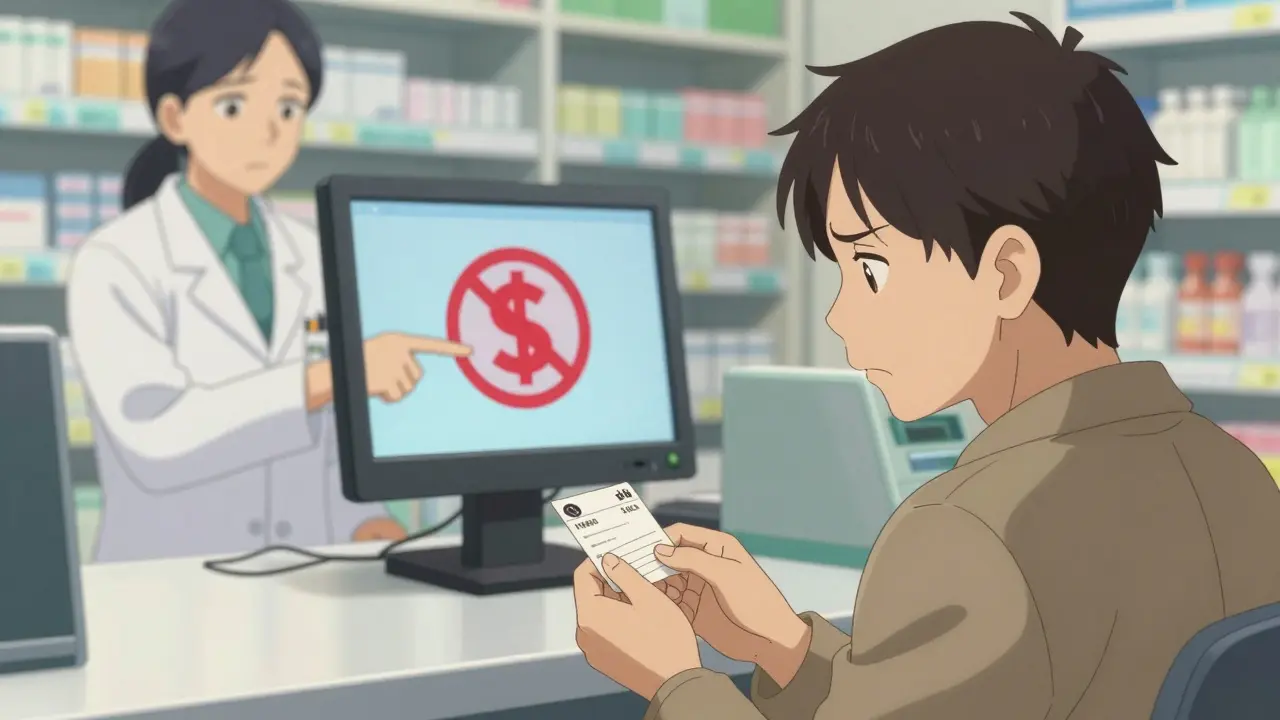
Many patients hit roadblocks. First, accumulator adjustment programs can ruin your savings. If your insurance uses these, the manufacturer discount won’t count toward your deductible. Check with your insurer before enrolling-some states (32 as of 2023) have laws banning this practice. Second, programs often expire after 12-24 months. You’ll need to reapply, and some require annual income verification. Third, not all pharmacies participate. Always confirm the pharmacy accepts the program before filling your prescription. For instance, a Reddit user in 2022 reported being charged full price because their local pharmacy didn’t process the Humira coupon correctly.
Real-world savings vs. alternatives
Manufacturer programs typically cut costs by 70-85% for brand drugs, but they only work for specific medications. Compare them to alternatives like GoodRx. GoodRx offers discounts on both brand and generic drugs (30-60% off on average), but it doesn’t cover all brand-name drugs. A 2022 Consumer Reports study found GoodRx savings were reliable for generics but less consistent for brands. However, manufacturer programs have limits: they cap annual savings between $5,000-$15,000 and exclude Medicare/Medicaid patients. If you’re on Medicare, the Inflation Reduction Act caps insulin costs at $35 monthly-no need for manufacturer coupons here.
Why do these programs exist?
Pharmaceutical companies create these programs for two reasons: to help patients afford drugs and to protect brand loyalty. A 2012 Amundsen Group study showed copay cards generate a 6-to-1 return on investment for drugmakers by extending patient use of expensive brand drugs. But experts like Dr. Robin Feldman, a UC Hastings law professor, argue these programs distort the market. In a 2021 JAMA Internal Medicine commentary, she wrote, "Manufacturer coupons undermine insurance design and shift costs back to payers." Meanwhile, PhRMA (the drug industry trade group) insists they’re vital for patients struggling with high costs. The truth? They’re a double-edged sword-helpful for individuals but contributing to higher overall drug prices.
Frequently Asked Questions
Can I use manufacturer savings programs if I have Medicare?
No. Federal law prohibits drug manufacturers from offering discounts to Medicare or Medicaid patients due to anti-kickback rules. However, the Inflation Reduction Act caps insulin costs at $35 monthly for Medicare beneficiaries, which may reduce the need for these programs for insulin users.
Do these programs count toward my deductible?
It depends. Many insurance plans have "accumulator adjustment programs" that prevent manufacturer discounts from counting toward your deductible or out-of-pocket maximums. Check with your insurer before enrolling. Some states have banned these programs, but 87% of large employers still use them as of 2022.
How do I find the right program for my medication?
Start by searching the drug’s manufacturer website directly. You can also use aggregators like GoodRx or NeedyMeds, which list available programs. For example, a 2023 KFF study found 65% of patients need help from pharmacists to enroll correctly-don’t hesitate to ask for assistance.
What if my program suddenly stops?
Manufacturers can discontinue programs at any time. For instance, Humira’s coupon program ended in 2022, leaving some patients facing $1,200 monthly costs. Always have a backup plan-talk to your doctor about generic alternatives or ask your pharmacist about other savings options like pharmacy discount cards.
Are there income limits for these programs?
For copay cards, usually not-they’re available to most privately insured patients regardless of income. But PAPs often require income verification. For example, some programs only cover patients earning below 400% of the federal poverty level. Check the specific program details when applying.
Releted Post

Caspian Fothergill
Hello, my name is Caspian Fothergill. I am a pharmaceutical expert with years of experience in the industry. My passion for understanding the intricacies of medication and their effects on various diseases has led me to write extensively on the subject. I strive to help people better understand their medications and how they work to improve overall health. Sharing my knowledge and expertise through writing allows me to make a positive impact on the lives of others.
Manufacturer savings programs cut costs. Just check pharmacy acceptance.
Accumulator adjustments are a scam. My insurance doesn't count the manufacturer savings toward deductible. So all those discounts are useless. You end up paying full price for your deductible. It's a total rip-off. Always verify with your insurer before enrolling. They'll tell you to jump through hoops.
Pharma companies create these programs to keep patients hooked on expensive drugs. It's all a scheme to profit more. Look up the Amundsen study. 6-to-1 ROI. They don't care about patients.
Manufacturer savings programs require careful navigation.
Copay assistance and patient assistance programs differ significantly.
The former is for those with private insurance while the latter is for low-income patients.
However federal regulations prevent Medicare Medicaid recipients from using these programs due to anti-kickback statutes.
Accumulator adjustment programs are a major issue as they prevent manufacturer discounts from counting toward deductibles.
87% of large employers use these which can negate savings.
It's crucial to check with your insurer before enrolling.
Some states have banned accumulator adjustments but many don't.
Also pharmacies must participate in the program.
Not all do so always confirm.
Manufacturer programs typically cut costs 70-85% but have annual caps.
They don't cover all drugs.
Alternatives like GoodRx offer discounts but are less consistent for brands.
The drug industry claims these programs help patients but experts argue they distort the market.
The truth is they're a double-edged sword.
Always verify program details before relying on them.
Oh sure, 'check with your insurer'-but they'll tell you to jump off a cliff. Accumulator adjustments are everywhere. Good luck!
These programs are a lifesaver for many. I've seen friends save thousands. Just need to navigate the paperwork. Always have a backup plan.
Only if you're lucky enough to have the right insurance. Most people get screwed by these programs. The system is broken. Pharma companies laugh all the way to the bank.
In India, these programs don't exist. But GoodRx helps a lot. 🌟
Exactly! Pharma companies avoid India because they can't profit. They're only in it for the money. It's a global scam. They don't care about people outside the US.
These programs are great for Americans. Other countries should learn from us. US healthcare is the best.
Yeah, US has the best healthcare system. These programs are proof. Everyone else is just jealous. Proud to be American.
Manufacturer savings programs require careful navigation copay assistance and patient assistance programs differ significantly the former is for private insurance the latter for low-income patients federal regulations prevent Medicare Medicaid recipients from using these programs due to anti-kickback statutes accumulator adjustment programs prevent discounts from counting toward deductibles 87% of large employers use these which negate savings crucial to check with insurer some states banned accumulator adjustments many don't pharmacies must participate not all do confirm manufacturer programs cut costs 70-85% annual caps don't cover all drugs GoodRx offers discounts less consistent for brands drug industry claims help patients experts argue distort market double-edged sword always verify program details