
Category: Medications - Page 2
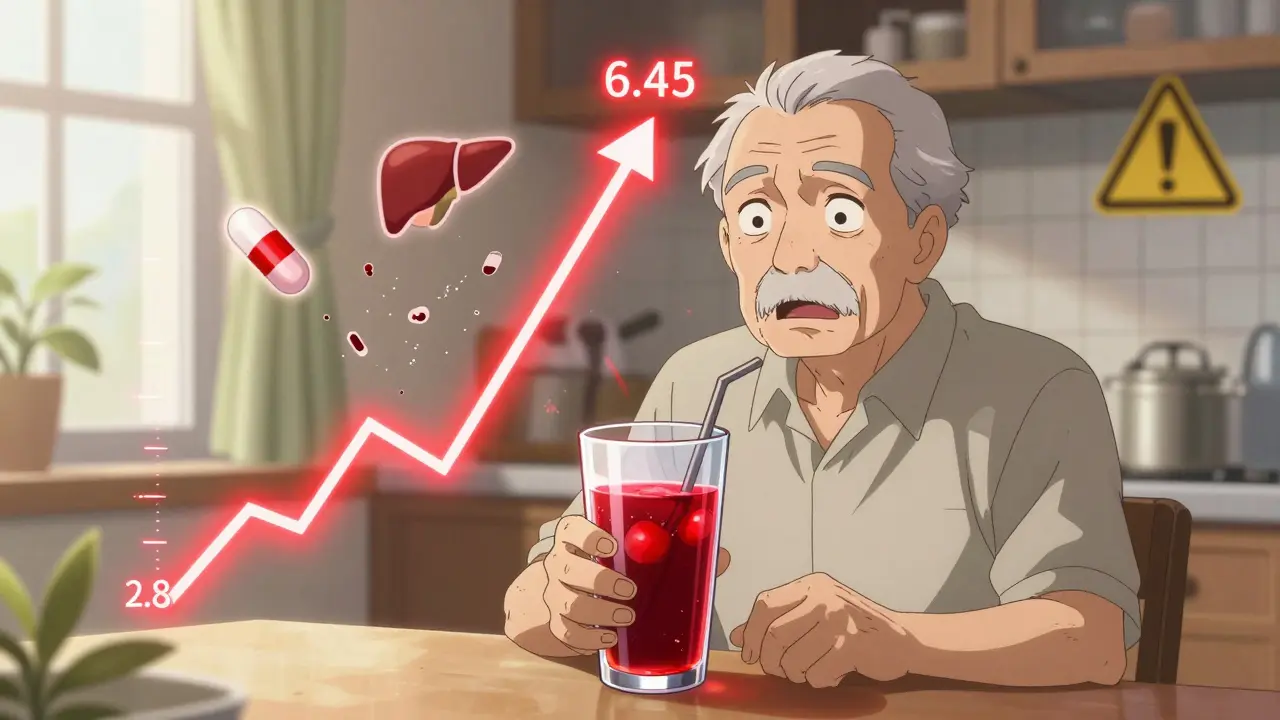
Cranberry products can dangerously raise INR levels in people taking warfarin, increasing bleeding risk. Learn why even small amounts can be harmful and what safer alternatives exist.
Chinese manufacturers produce 80% of the world's generic drug ingredients, but quality issues, weak oversight, and supply chain risks threaten patient safety. Here's what you need to know about the hidden dangers behind low-cost generics.
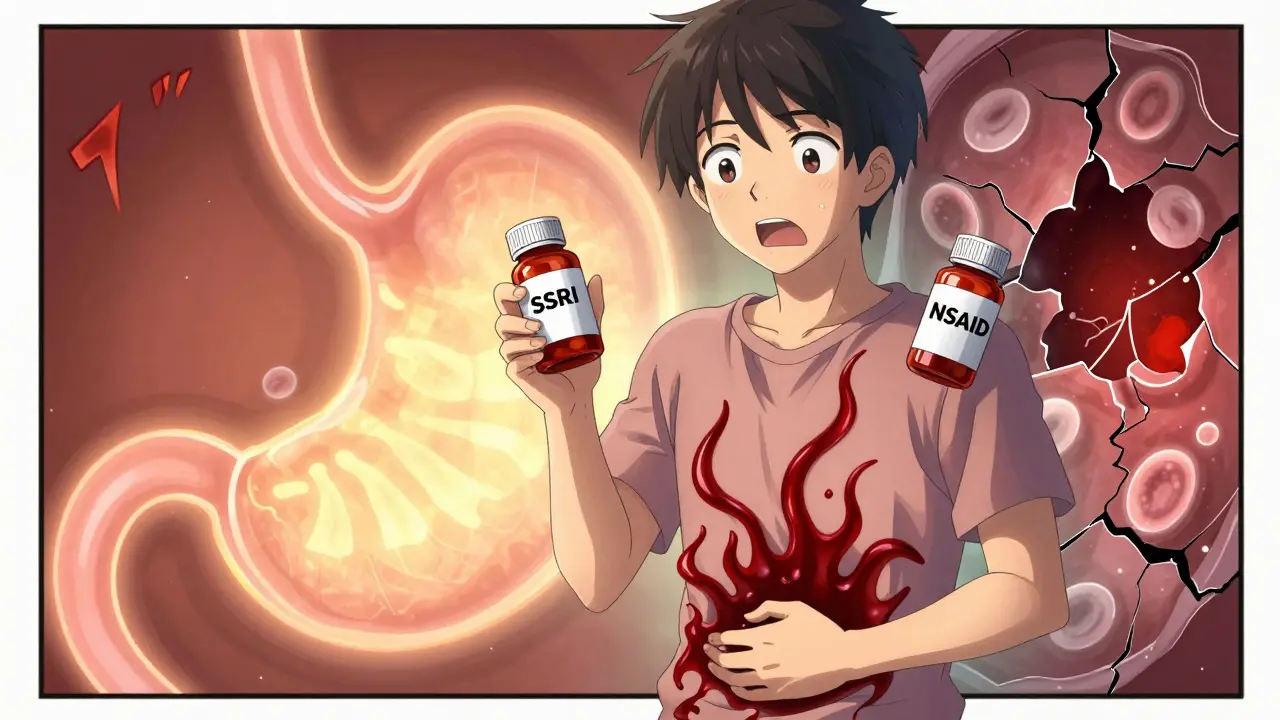
Taking SSRIs and NSAIDs together can raise your risk of stomach bleeding by 75%. Learn why this happens, which medications are safest, and how to protect yourself with simple, proven steps.

The Military Shelf Life Extension Program proves many expired medications remain effective years past their labels. SLEP's data challenges conventional expiration dating and saves billions annually by extending drug life under proper storage.
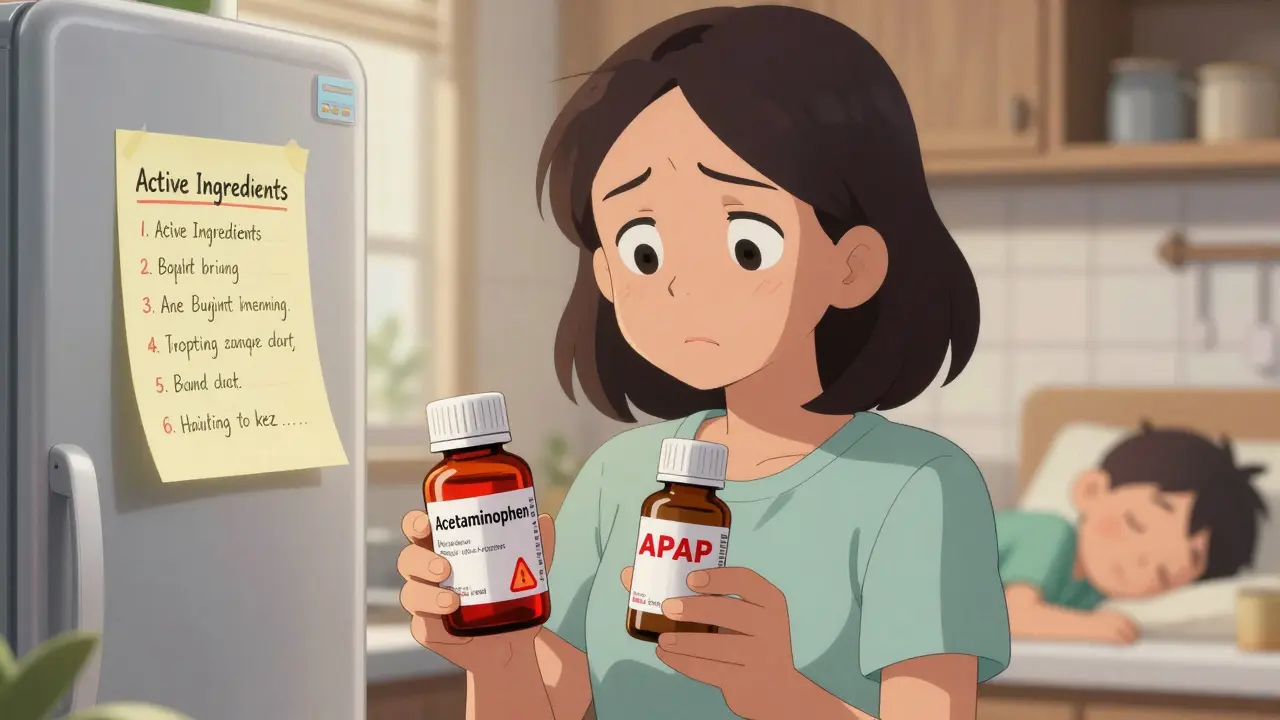
Learn how to check active ingredients in children's medicines to prevent dangerous double dosing. Discover the most common risky ingredients, real-life cases, and simple steps every parent can take today.
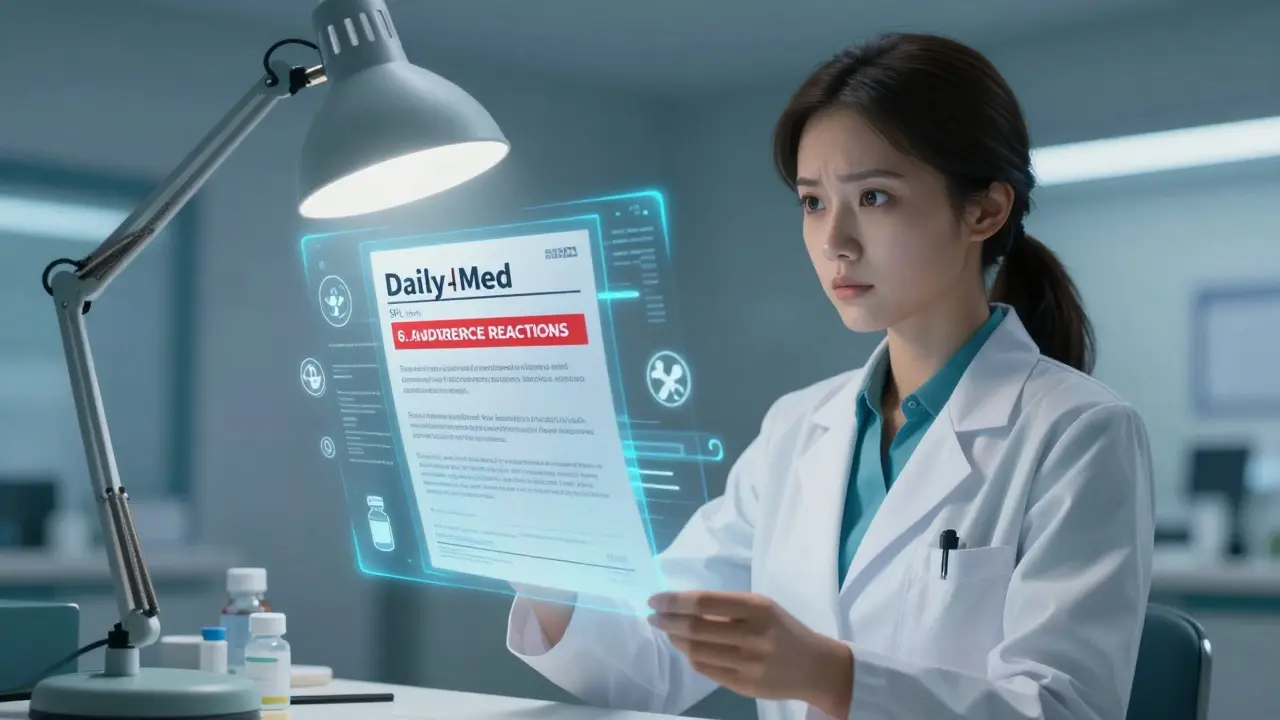
DailyMed is the official source for up-to-date FDA drug labels and side effects. Learn how to navigate it to find accurate, current prescribing information - no summaries, no ads, just the truth.
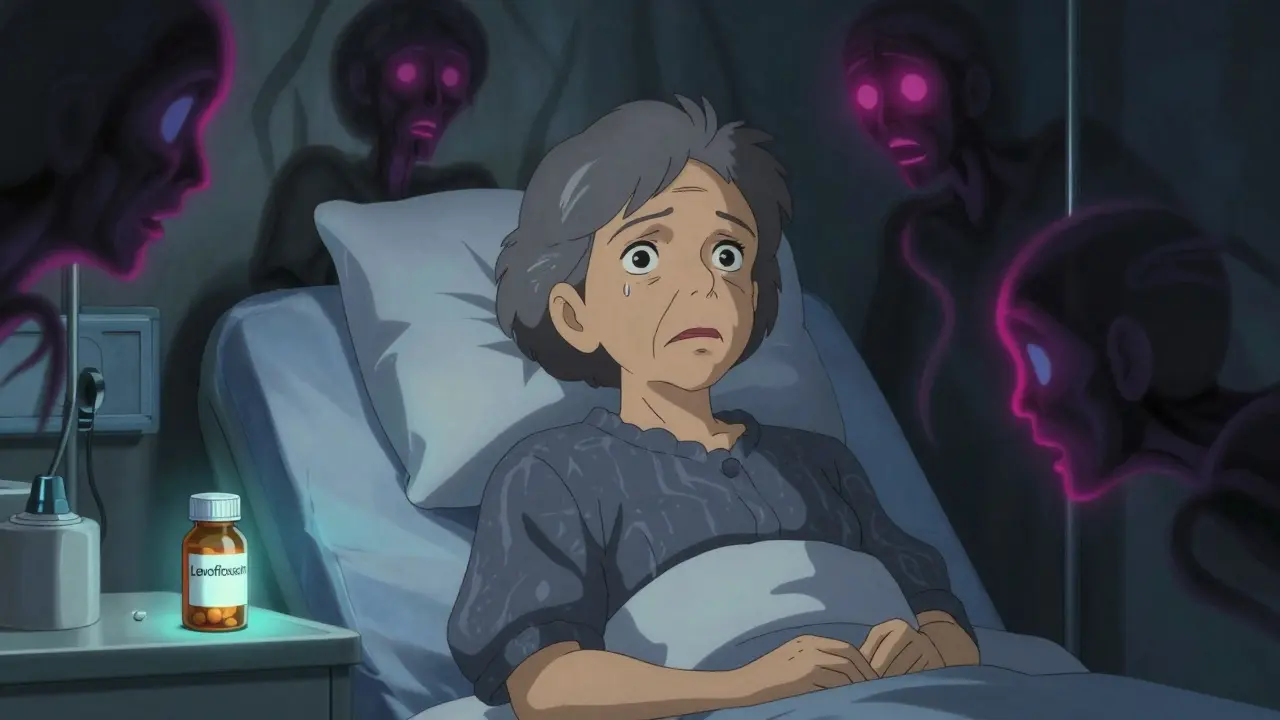
Fluoroquinolones like levofloxacin can trigger sudden delirium in older adults, causing confusion, hallucinations, and memory loss. Learn the signs, risks, and safer alternatives to protect elderly patients from preventable cognitive side effects.
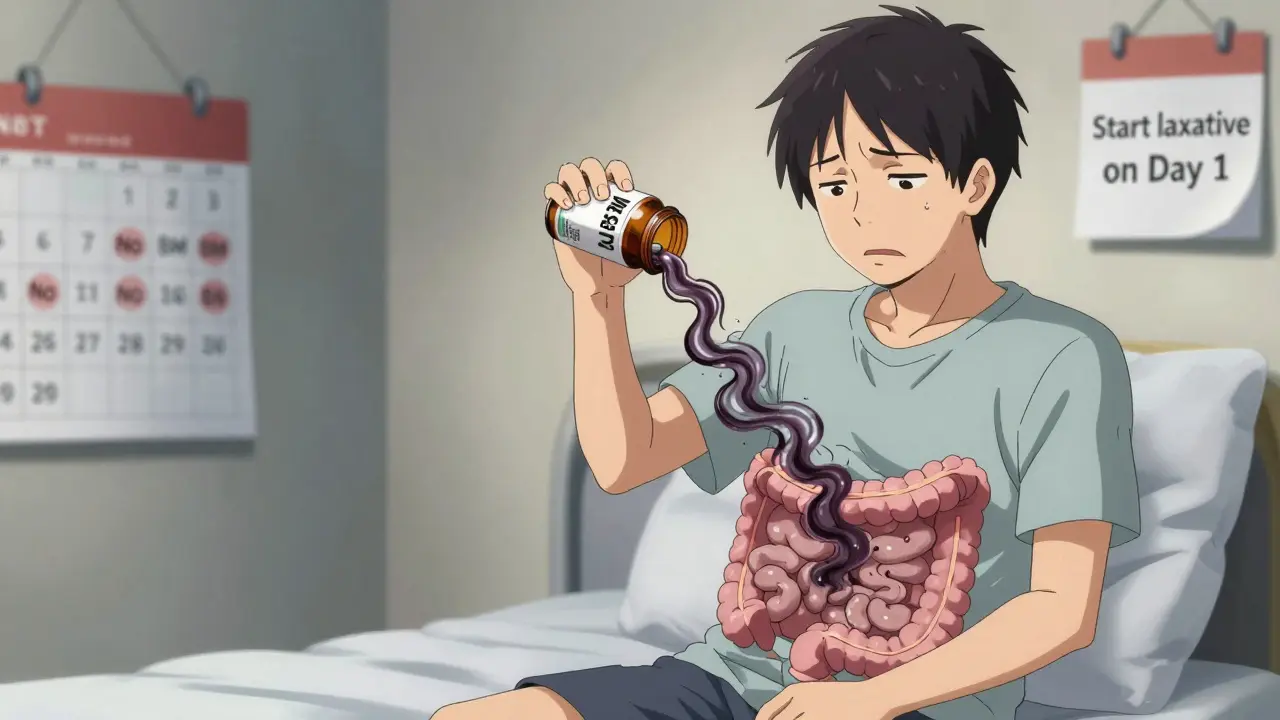
Medication-induced constipation affects up to 60% of opioid users and many on anticholinergics, calcium blockers, and iron. Learn why standard laxatives fail and how to choose the right treatment-backed by clinical data and real patient results.

Blister packs and pill organizers help prevent dangerous medication mistakes by organizing doses clearly by day and time. Blister packs reduce errors by up to 67% and are especially vital for seniors on multiple meds. Learn how to use them safely and get them covered by insurance.

Ondansetron stops nausea but can prolong the QT interval, raising risk of dangerous heart rhythms. Learn who’s at risk, how doses have changed since 2012, and safer alternatives now used in hospitals.