
Category: Medications - Page 4

Smoking can cut clozapine levels by up to 50%, risking relapse or toxicity. Learn how tobacco affects your medication, what to do if you start or quit smoking, and why therapeutic monitoring is essential.
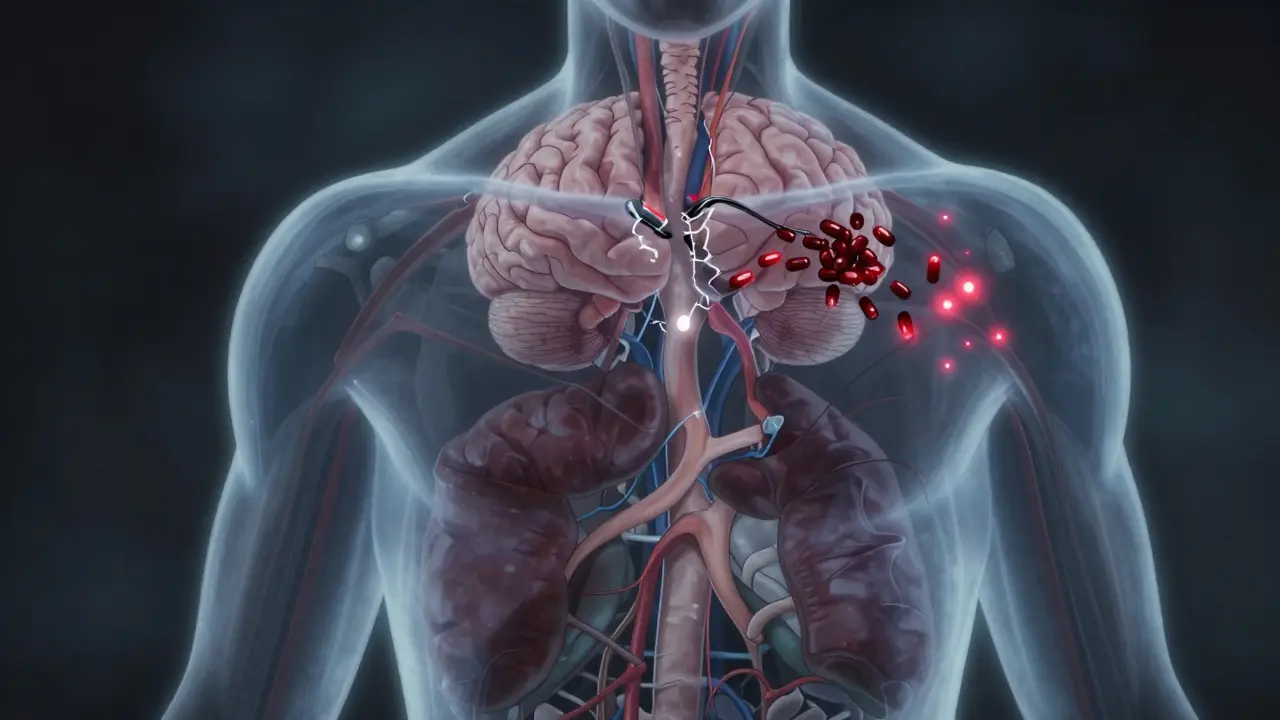
Opioid-induced adrenal insufficiency is a rare but life-threatening side effect of long-term opioid use. It suppresses cortisol production and can lead to fatal adrenal crisis if undiagnosed. Learn who’s at risk, how it’s diagnosed, and why it’s often missed.

Benzodiazepines can cause memory loss, increase fall risk, and lead to dependence. Learn how to recognize the dangers and safely taper off with proven strategies backed by research.

Generic prescribing saves billions, reduces errors, and improves adherence. Learn when and how to prescribe generics safely, based on NHS, FDA, and WHO guidelines.
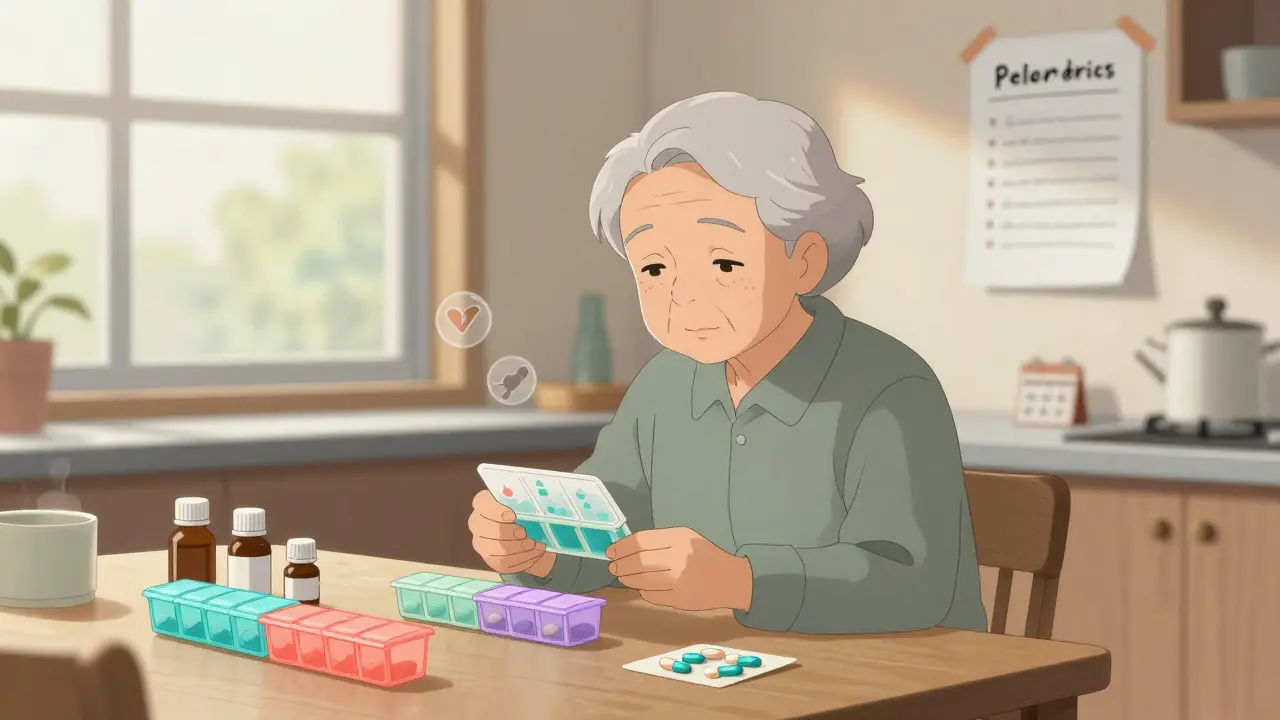
Learn how to safely manage long-term medications for chronic conditions. Avoid dangerous interactions, reduce side effects, and stay in control with practical tips on adherence, reviews, and tech tools.

Hand and foot swelling can be a side effect of common medications like blood pressure drugs or chemotherapy. Learn when it’s harmless and when it’s a warning sign that needs immediate medical attention.

Clinical studies show generic drugs are just as effective as brand-name drugs for most conditions. FDA bioequivalence standards ensure safety, with 90% of U.S. prescriptions filled with generics. Exceptions exist for narrow therapeutic index drugs.
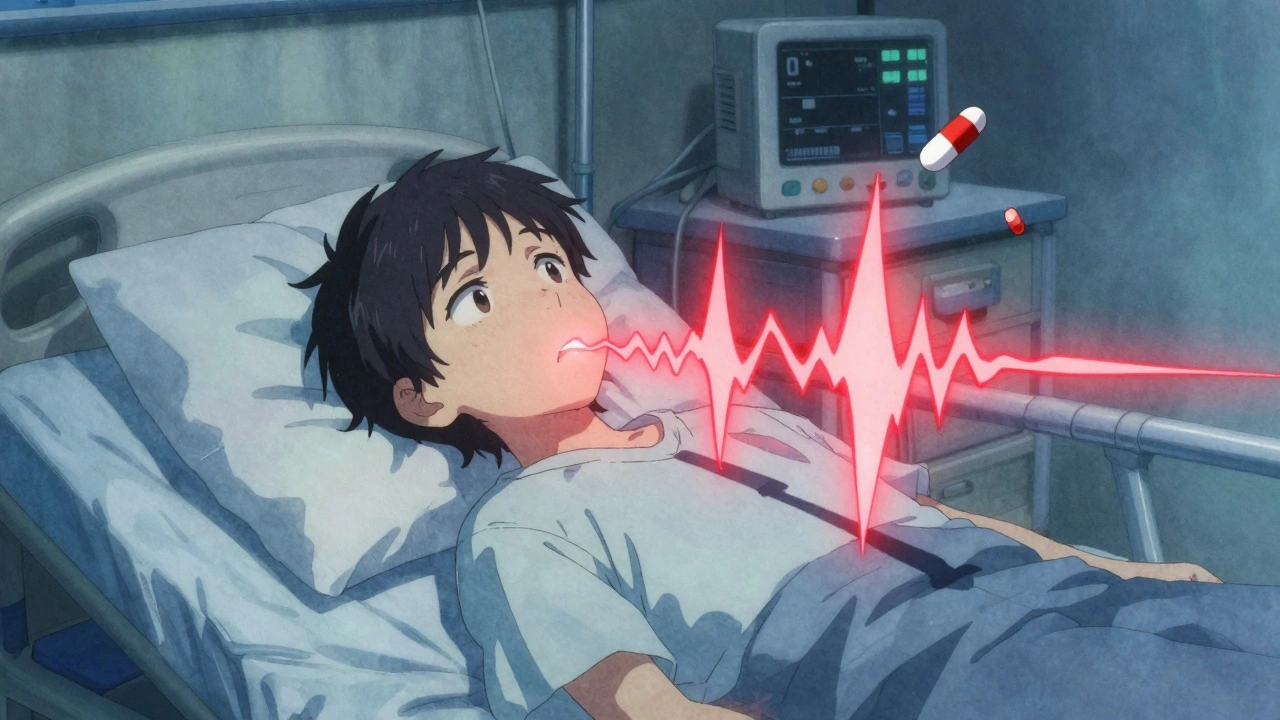
Medication-induced hiccups are more common than you think, especially with steroids and opioids. Learn the causes, proven remedies like sugar and baclofen, and how to talk to your doctor when hiccups won’t stop.
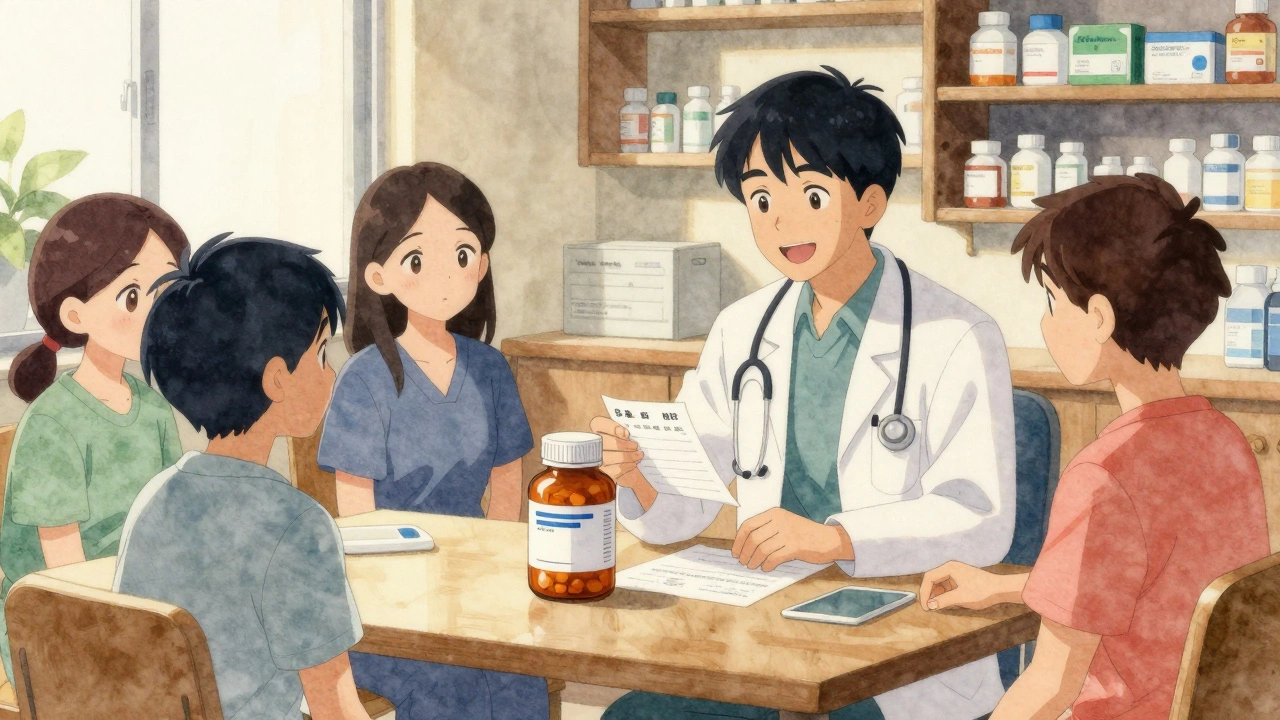
Learn how to ask your doctor about generic alternatives to save money on prescriptions without sacrificing effectiveness. Discover when generics work, when they don't, and how to start the conversation.
Theophylline has a narrow therapeutic index-tiny margins between effectiveness and deadly toxicity. Regular blood monitoring is essential to avoid seizures, arrhythmias, and death. Learn why this old drug still demands strict oversight.