
Medication Safety: Avoid Dangerous Interactions and Side Effects
When you take a medication, you're not just dealing with one drug—you're entering a network of possible interactions, hidden risks, and hidden consequences. Medication safety, the practice of using drugs in a way that minimizes harm while maximizing benefit. Also known as drug safety, it’s not just about following labels—it’s about understanding how your body reacts to combinations you didn’t even know mattered. A simple painkiller like acetaminophen can affect your brain chemistry. A common antibiotic like ampicillin can turn deadly if your immune system is weak. And drugs like theophylline? One wrong dose and you’re at risk of seizures or cardiac arrest. This isn’t fear-mongering—it’s fact. The FDA and CDC track thousands of preventable hospitalizations every year because people didn’t realize how their meds were working together.
Drug interactions, when two or more medications change each other’s effects in the body are the silent killers in modern medicine. Opioids mixed with antidepressants can trigger serotonin syndrome—a condition that spikes body temperature, causes muscle rigidity, and can kill in hours. Caffeine with ADHD stimulants? It might help you focus, but it also cranks up your heart rate to dangerous levels. Even something as routine as statins can mess with your sleep, giving you vivid nightmares or full-blown insomnia. And let’s not forget therapeutic drug monitoring, the process of measuring drug levels in your blood to stay within safe limits. For drugs with a narrow therapeutic index, a tiny window between a helpful dose and a toxic one—like theophylline or warfarin—skipping a blood test isn’t just careless, it’s reckless. These aren’t edge cases. They’re common enough that doctors routinely order these tests for patients on long-term treatment.
Medication safety isn’t just for seniors or the chronically ill. It matters if you’re taking birth control and an antibiotic. It matters if you’re on thyroid meds and start a new supplement. It matters if you’re using eye drops for glaucoma and forget to tell your pharmacist you’re also on antidepressants. The system isn’t broken—it’s just too complex for most people to navigate alone. That’s why you need to know what to watch for: dark urine and yellowing skin could mean your red blood cells are being destroyed. Confusion and extreme cold might signal a thyroid emergency. A sudden spike in anxiety after starting a new painkiller? It could be serotonin overload. These aren’t vague symptoms. They’re red flags with clear triggers.
Below, you’ll find real-world guides that cut through the noise. No fluff. No theory. Just what you need to know before your next pill, injection, or refill. Whether you’re managing diabetes, fighting infection, treating depression, or just trying to avoid a bad reaction—you’ll find answers here that actually help you stay safe.

Explore essential best practices and training protocols for medication safety. Learn how healthcare providers can reduce errors using ISMP guidelines, EHR tools, and safety culture strategies.
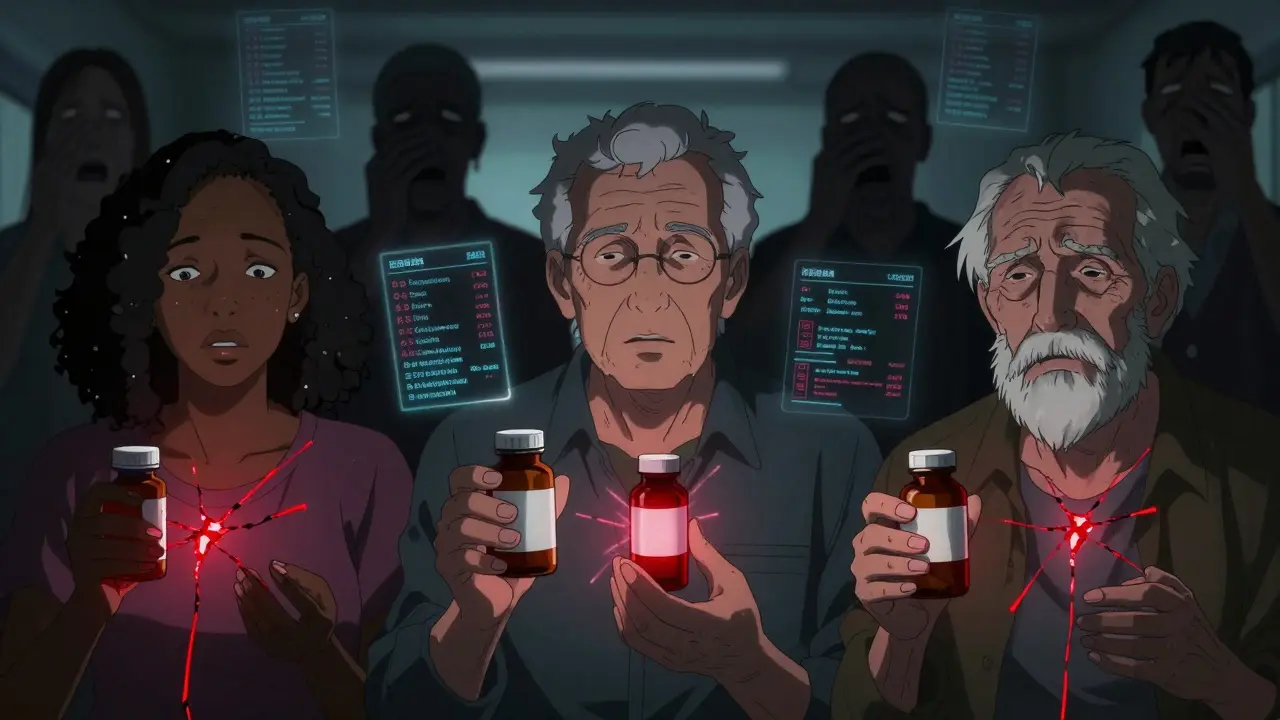
Health disparities in medication safety are not accidental - they’re systemic. Marginalized communities face higher risks of harmful drug errors due to bias, language barriers, and unequal access. Fixing this requires real data, inclusive research, and systemic change.
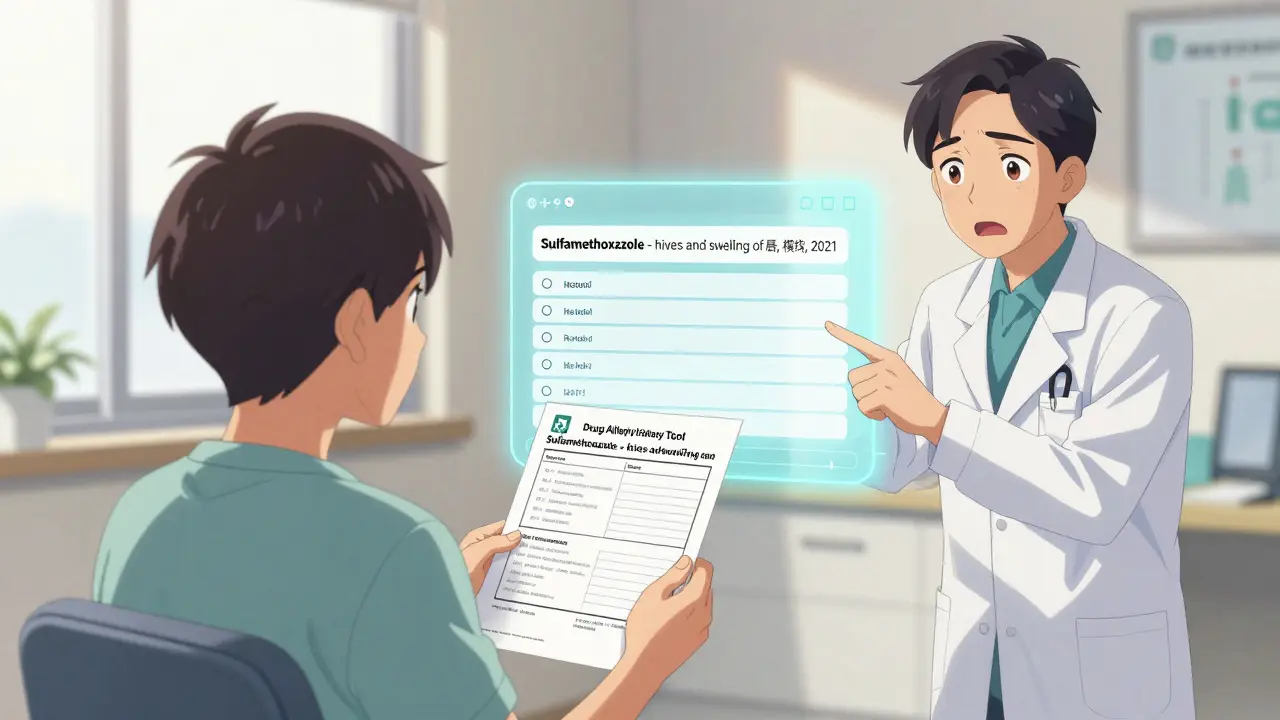
Learn how to accurately document drug allergies in your medical records to prevent dangerous medication errors. Specifics matter-vague answers can cost you the right treatment.
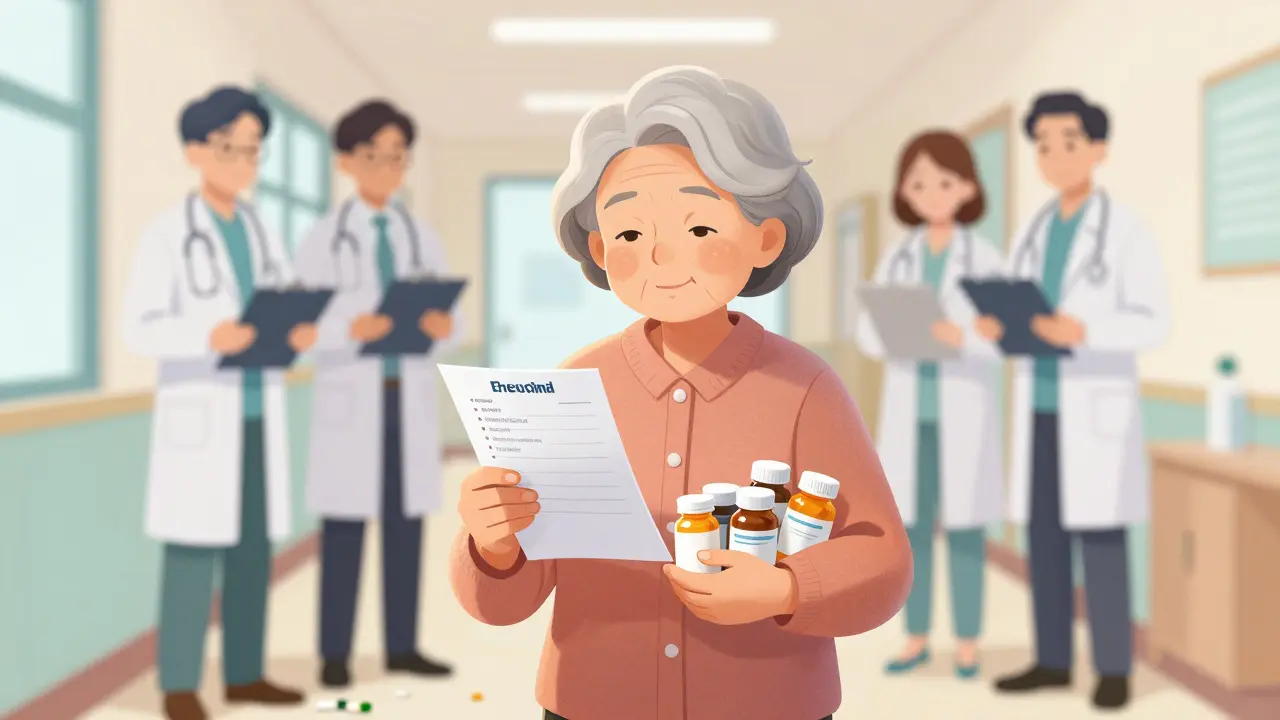
Learn how seniors can prevent dangerous duplicate medications after specialist visits by keeping a full medication list, using one pharmacy, and asking the right questions at every appointment.
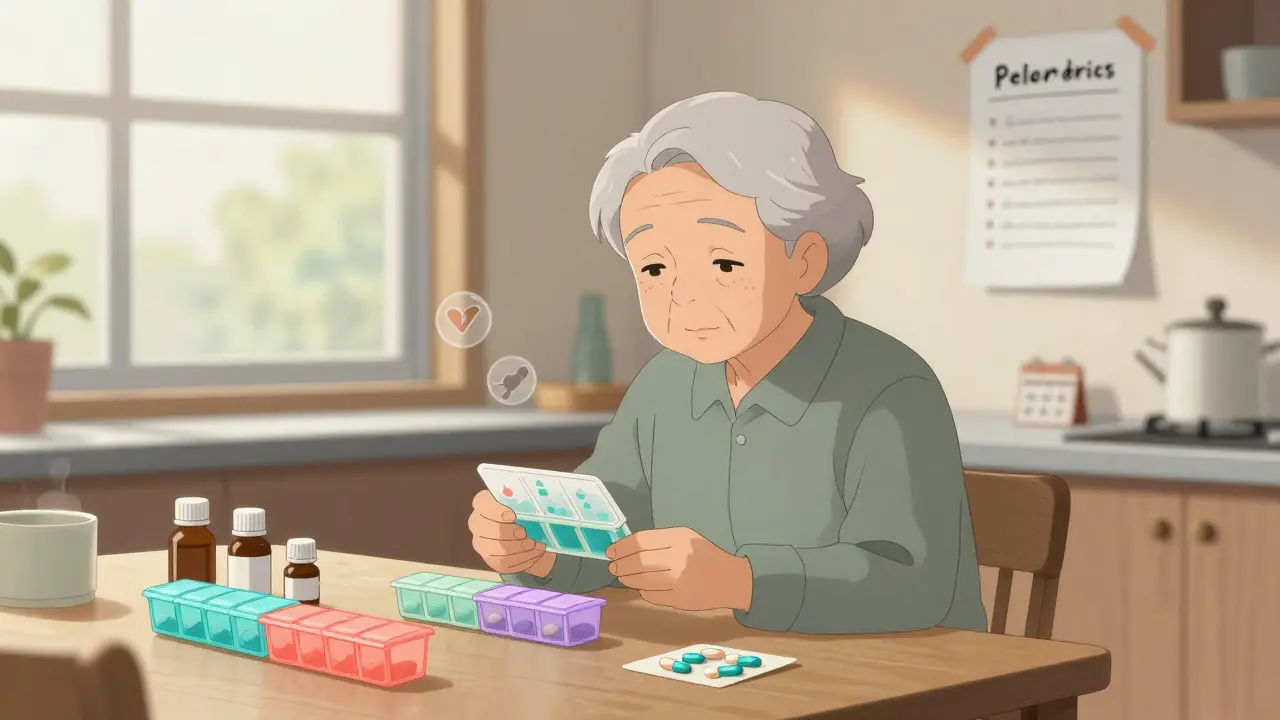
Learn how to safely manage long-term medications for chronic conditions. Avoid dangerous interactions, reduce side effects, and stay in control with practical tips on adherence, reviews, and tech tools.
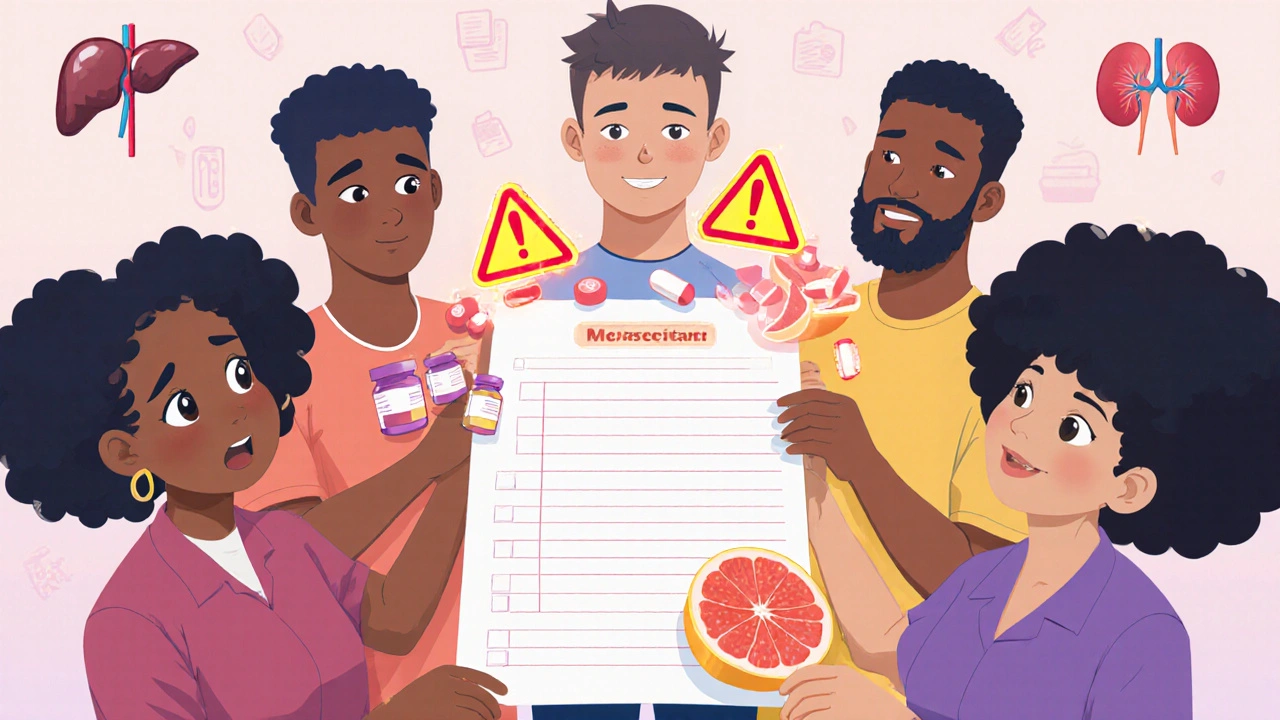
Learn practical steps to check for drug interactions before starting new medications. Avoid dangerous combinations with prescriptions, supplements, and foods using proven strategies and trusted tools.
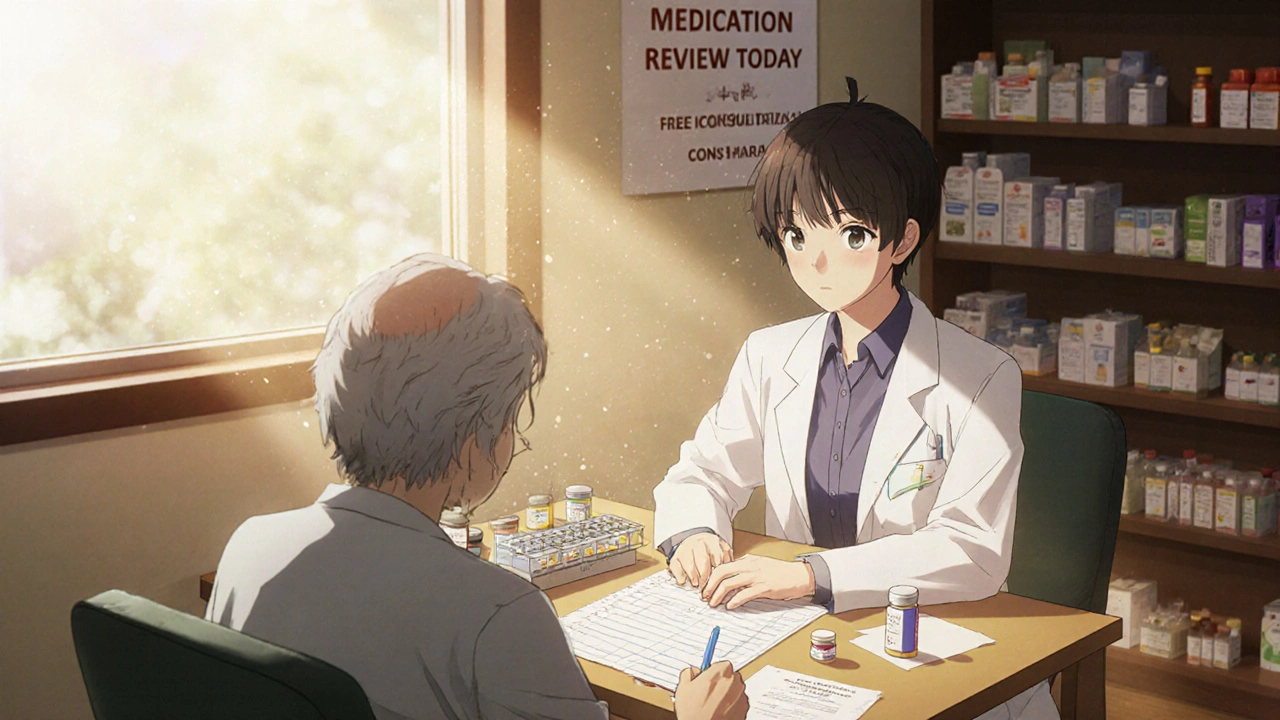
Learn how to use your pharmacy's free consultation service to prevent dangerous drug interactions, save money, and improve medication safety - with real examples and step-by-step guidance.