
Health and Wellness Guide: Practical Tips You Can Use Today
Welcome to your one‑stop spot for real‑world health help. Whether you're looking for a quick way to boost energy, need to understand how a prescription works, or want the lowdown on a new supplement, we’ve got you covered.
Everyday Health Tips You Can Trust
First off, small changes often make the biggest difference. Drinking enough water, getting 7‑8 hours of sleep, and moving your body for at least half an hour each day are basics that many people skip but can improve mood, digestion, and heart health.
If allergies give you a spinny feeling, try keeping windows closed on high pollen days and using saline rinses to clear nasal passages. This simple habit can reduce vertigo episodes linked to seasonal changes.
Got a hair‑loss worry? Minoxidil (the active ingredient in Rogaine) works for many people when applied consistently. Pair it with a balanced diet rich in zinc and iron, and you’ll see better results faster.
Understanding Medications & Supplements
Prescription drugs can be confusing, so we break them down into bite‑size pieces. Take Tadalis SX, for example – it’s a tadalafil product used for erectile dysfunction. Knowing the dosage, possible side effects like mild headache, and how to buy it safely online helps you avoid surprises.
Blood thinners such as Plavix (clopidogrel) lower clot risk but can cause bruising. If you notice unusual bleeding, talk to a pharmacist right away; they may adjust the dose or suggest an alternative.
Supplements like Chinese Mallow and Peony are gaining popularity for their nutrient profiles. Chinese Mallow can support digestion, while peony may help with immune function. Always check for interactions with your current meds before adding any new herb.
For thyroid health, iodine, selenium, and adaptogens such as ashwagandha can complement medication. A diet featuring seaweed, Brazil nuts, and stress‑relief practices often balances hormone levels without over‑medicating.
When you’re on HIV meds like Disoproxil (TDF), keep an eye on bone density. Calcium‑rich foods, weight‑bearing exercise, and regular DEXA scans help catch early signs of osteoporosis.
If you’re considering alternatives—say, moving from Inderal to another beta‑blocker or swapping out Augmentin for doxycycline—look at side‑effect profiles and how each option fits your lifestyle. Our guides compare pros and cons so you can make a choice that feels right.
Lastly, don’t forget safe storage. Medications like apixaban need a cool, dry place away from kids, and they shouldn’t be flushed down the toilet. Follow local disposal rules or ask a pharmacist for take‑back options.
Use this page as your quick reference whenever you have a question about health, meds, or supplements. Bookmark it, share it with friends, and stay empowered to make smarter choices every day.

Explore the progression of alcohol-associated liver disease, from reversible fatty liver and inflammation to permanent cirrhosis, and learn how to stop the damage.


Effective senior patient education addresses health literacy gaps in adults over 65. Learn essential guidelines on font size, reading levels, and tools to improve compliance.

Lyme disease is the most common tick-borne illness in the U.S., with nearly half a million cases yearly. Early treatment with antibiotics can cure it - but missing the signs leads to long-term problems. Know the rash, act fast, and prevent bites.

Safe migraine treatments during pregnancy and breastfeeding exist - from acetaminophen and magnesium to triptans and non-drug therapies. Learn what works, what to avoid, and how to time meds for minimal baby exposure.

PET-CT, MRI, and PET-MRI each play unique roles in cancer staging. PET-CT finds spread, MRI shows soft tissue detail, and PET-MRI combines both for complex cases. Learn which scan is best for your cancer type.

Intentional overdose is a leading method of suicide in the U.S., especially among teens and middle-aged adults. Learn how crisis resources like 988, Crisis Text Line, and community programs are saving lives-and why funding cuts could undo years of progress.
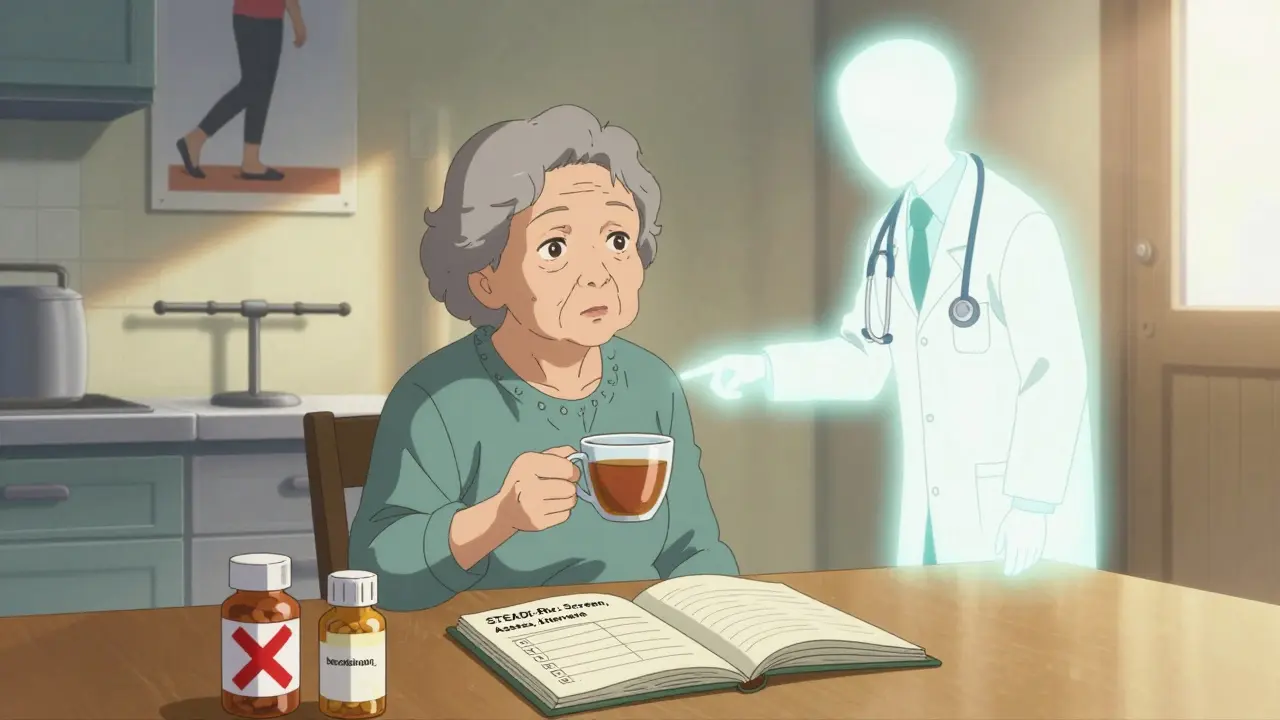
Sedating medications are a leading cause of falls in older adults. Learn proven strategies - from medication reviews to exercise - that can cut fall risk by over 30% and save lives.

Health disparities in medication safety are not accidental - they’re systemic. Marginalized communities face higher risks of harmful drug errors due to bias, language barriers, and unequal access. Fixing this requires real data, inclusive research, and systemic change.
Weight gain is a common side effect of many antidepressants, affecting over half of long-term users. Learn which drugs cause the most gain, why it happens, and how to manage it without quitting your medication.