
Pharmaceutical Supply Chain: How Medicines Get to You and Why It Matters
When you pick up a prescription, you’re holding the end result of a complex pharmaceutical supply chain, the global network that moves drugs from raw ingredients to your medicine cabinet. Also known as the drug distribution system, it’s made up of manufacturers, distributors, wholesalers, pharmacies, and regulators—all working in sync to deliver safe, effective medicines on time. Most people never think about how a pill made in India ends up in a pharmacy in London or Chicago. But that journey involves strict quality checks, temperature controls, customs delays, and sometimes, fragile logistics that can break under pressure.
The generic drug, a lower-cost version of a brand-name medicine with the same active ingredient is at the heart of this system. Companies in India and China produce over 80% of the world’s generic pills, shipping them by the ton to pharmacies everywhere. These aren’t cheap knockoffs—they’re FDA-approved, rigorously tested, and often the only affordable option for chronic conditions like diabetes or high blood pressure. But when a single factory shuts down for inspection, or a shipping container gets stuck in port, shortages ripple across countries. That’s why a drug you’ve taken for years might suddenly be unavailable, even if your doctor says it’s still the best choice.
The drug manufacturing, the process of producing medicines under strict regulatory standards doesn’t just happen in big labs. It’s spread across continents, with ingredients sourced from multiple countries. One batch of metformin might start with chemicals from China, get mixed in the U.S., packaged in Germany, and shipped through Singapore. Each step adds risk: contamination, mislabeling, or delays. That’s why checking your pill’s origin matters—not to scare you, but to help you understand why some meds cost less and why some batches vary slightly in appearance.
And then there’s medication safety, the practice of ensuring drugs are handled, stored, and delivered without errors or contamination. A broken cold chain can ruin insulin. A mislabeled shipment can send the wrong drug to a nursing home. These aren’t rare mistakes—they happen more often than you think, and they’re why pharmacists now verify every shipment, why some hospitals track pills with barcodes, and why your pharmacist asks if you’ve switched brands lately.
What you’ll find below isn’t just a list of articles. It’s a map of how this system touches your life. You’ll read about how Indian manufacturers supply half the world’s generics, how online pharmacists help you avoid dangerous interactions, why some people feel generics don’t work (even when they do), and how to use secure messaging to ask your doctor or pharmacist about your meds. These stories aren’t about big corporations or government policies—they’re about the real people behind the pills you take every day, and the quiet systems that keep them safe, affordable, and on the shelf when you need them.
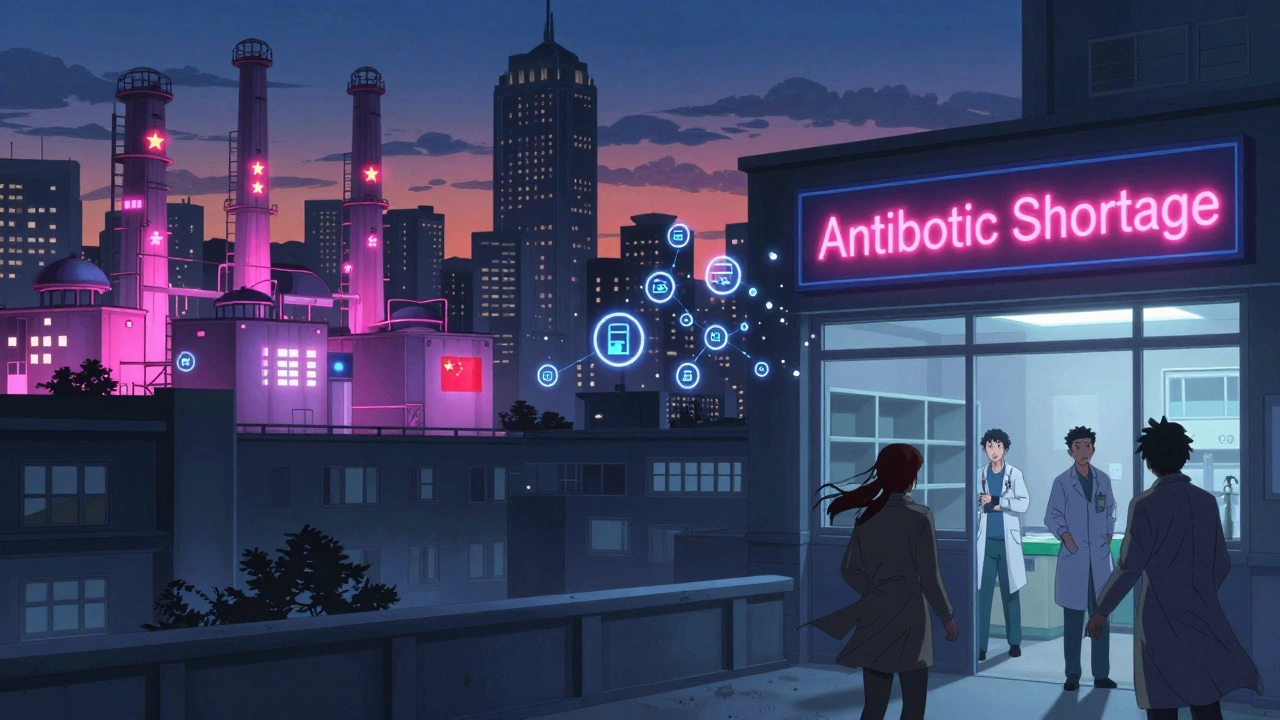
Drug shortages are rising due to fragile global supply chains. Learn how buffer stocks, dual sourcing, AI, and new manufacturing tech are helping prevent shortages and keep critical medicines available.