
Paracetamol: What It Is, How It Works, and What You Need to Know
When you reach for a painkiller, chances are you grab paracetamol, a widely used analgesic and antipyretic medication also known as acetaminophen. Also known as acetaminophen, it’s in more than 600 over-the-counter and prescription products—from cold remedies to migraine tablets. Unlike ibuprofen or aspirin, it doesn’t reduce swelling, but it’s gentle on the stomach and safe for most people when used correctly. But here’s the thing: even though it’s sold everywhere, people still overdose on it—accidentally. That’s because it hides in so many other pills you might be taking.
Paracetamol works by blocking pain signals in the brain, not by reducing inflammation like NSAIDs do. That’s why it’s often the go-to for headaches, toothaches, or fever. But it’s not harmless. Your liver breaks it down, and if you take too much—or take it with alcohol or certain meds—it can overwhelm your liver and cause serious damage. In fact, it’s the leading cause of acute liver failure in the U.S. and U.K. You don’t need to take 20 pills at once to overdose. Just going over the daily limit of 4,000 mg—maybe by mixing Tylenol with a cold medicine that also contains it—can be enough.
That’s why you’ll find posts here about drug interactions, how paracetamol can react dangerously with other medications, especially those processed by the liver, and why checking your labels matters. You’ll also see guides on pain relief, how paracetamol stacks up against ibuprofen, naproxen, and aspirin, and what to do when one doesn’t cut it. There are even posts about medication-induced hair loss, where paracetamol has been linked in rare cases to temporary shedding, and how to tell if your meds are the culprit.
Paracetamol isn’t just about popping a pill. It’s about understanding what’s in your medicine cabinet and how everything connects. If you’re on multiple meds, have liver issues, or just want to avoid a silent overdose, this collection gives you the real talk—not marketing, not hype. You’ll learn how to read labels, spot hidden paracetamol, and know when to call a doctor instead of reaching for another tablet.
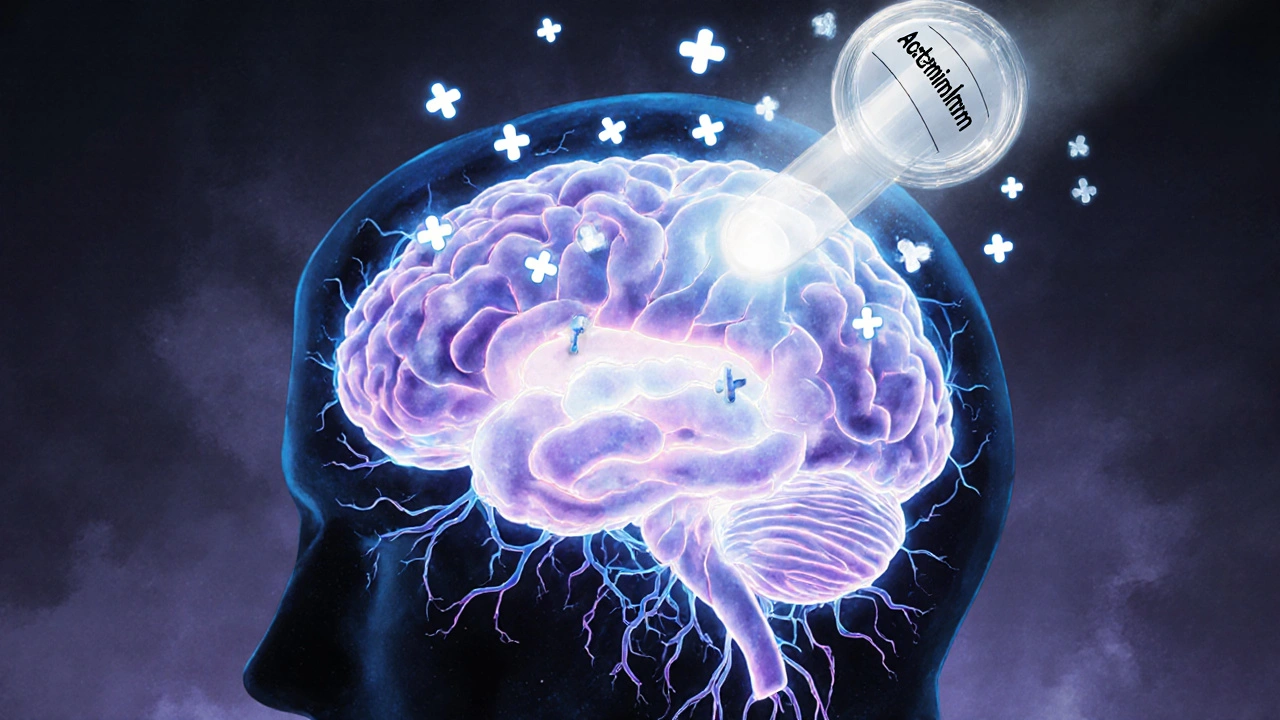
Acetaminophen isn't just a painkiller-it affects serotonin in your brain, altering pain and emotional responses. Learn how this common drug works beyond the label and what it means for your mental health.