
Medication Safety and Sleep Health in November 2025: Key Guides on Drugs, Side Effects, and Natural Remedies
When it comes to medication safety, the practice of using drugs correctly to avoid harm while maximizing benefit. Also known as drug safety, it’s not just about reading labels—it’s about understanding how your pills interact with your body, your habits, and even your sleep. In November 2025, we dug into real-world cases where small mistakes led to big risks: mixing opioids with antidepressants, ignoring the thin line between effective and deadly theophylline levels, or assuming melatonin is just another sleep pill. These aren’t theoretical concerns—they’re daily decisions people make without knowing the stakes.
Melatonin, a natural hormone that signals your body it’s time to sleep. Also known as the sleep hormone, it’s one of the most misunderstood supplements on the market. High doses don’t make you sleep deeper—they confuse your internal clock. The right dose, taken at the right time, fixes jet lag and delayed sleep without next-day grogginess. Meanwhile, drug interactions, when two or more substances change how each other works in your body. Also known as medication conflicts, they’re behind many hospital visits that could’ve been avoided. We showed how caffeine with Adderall raises heart risks, how statins might mess with your dreams, and why acetaminophen isn’t just a painkiller—it quietly affects your serotonin. And if you’re managing chronic pain, joint health, the ability to move without pain or stiffness, often compromised by aging, injury, or poor posture. Also known as musculoskeletal wellness, it’s not just about pills or surgery. Simple tweaks to your desk setup, walking more, and tracking symptoms in a diary can cut pain without new prescriptions.
What you’ll find below isn’t a random list of articles. It’s a focused collection of what actually works—backed by science, stripped of hype. Whether you’re trying to avoid a dangerous combo before starting a new med, figuring out why your CPAP pressure changed after losing weight, or wondering if your hair loss is from your antidepressant, these guides give you clear steps. No fluff. No guesswork. Just what you need to stay safe, sleep better, and take control of your health.

Melatonin isn't a sleeping pill - it's a circadian signal. Learn how low doses taken at the right time can fix jet lag and delayed sleep, why high doses backfire, and what the science really says about effectiveness.

Learn how to keep a symptom diary for suspected drug reactions with step-by-step guidance on what to track, when to record it, and how to use it to help your doctor make better decisions. Avoid misdiagnosis and take control of your medication safety.

Osteoarthritis affects over 32 million Americans and is the leading cause of joint pain and disability. Learn how cartilage degeneration works, why movement is key, and what real, evidence-based strategies actually reduce pain and improve function - without relying on pills or surgery.

Learn simple, science-backed ways to adjust your workstation and posture to reduce joint pain from sitting all day. No expensive gear needed - just smart placement and small habits.
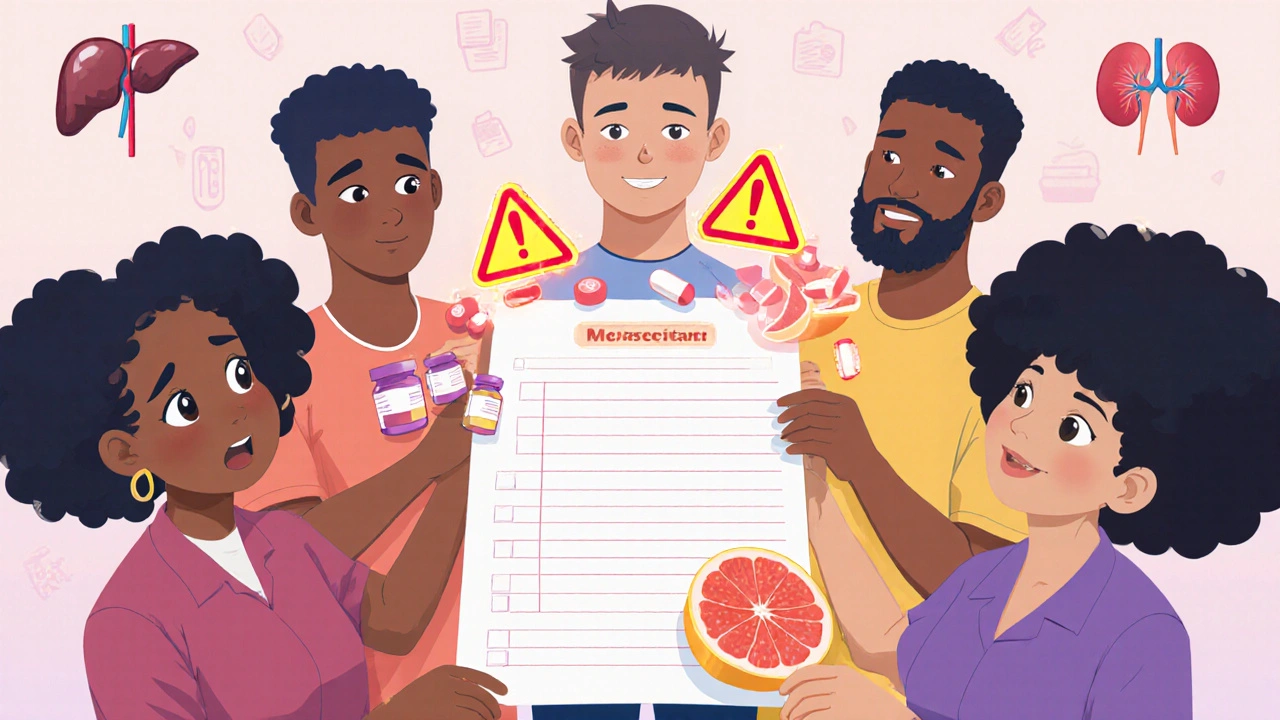
Learn practical steps to check for drug interactions before starting new medications. Avoid dangerous combinations with prescriptions, supplements, and foods using proven strategies and trusted tools.
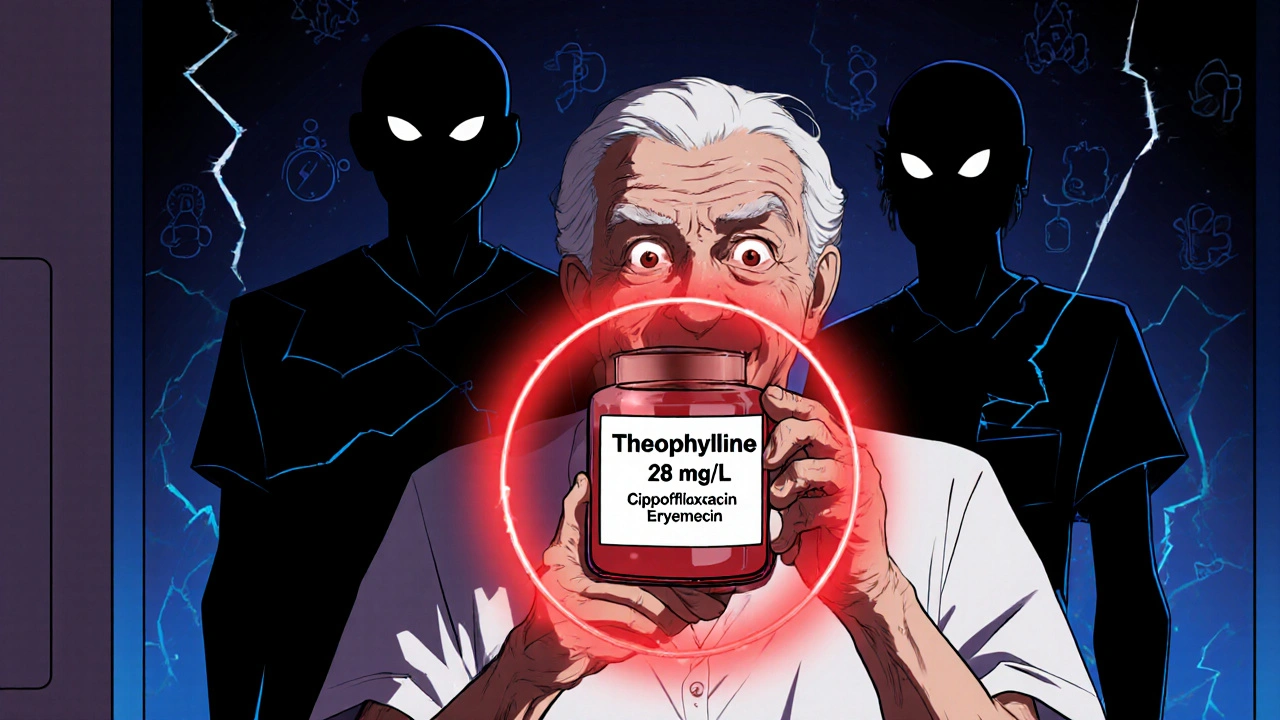
Theophylline has a narrow therapeutic index-tiny margins between effectiveness and deadly toxicity. Regular blood monitoring is essential to avoid seizures, arrhythmias, and death. Learn why this old drug still demands strict oversight.
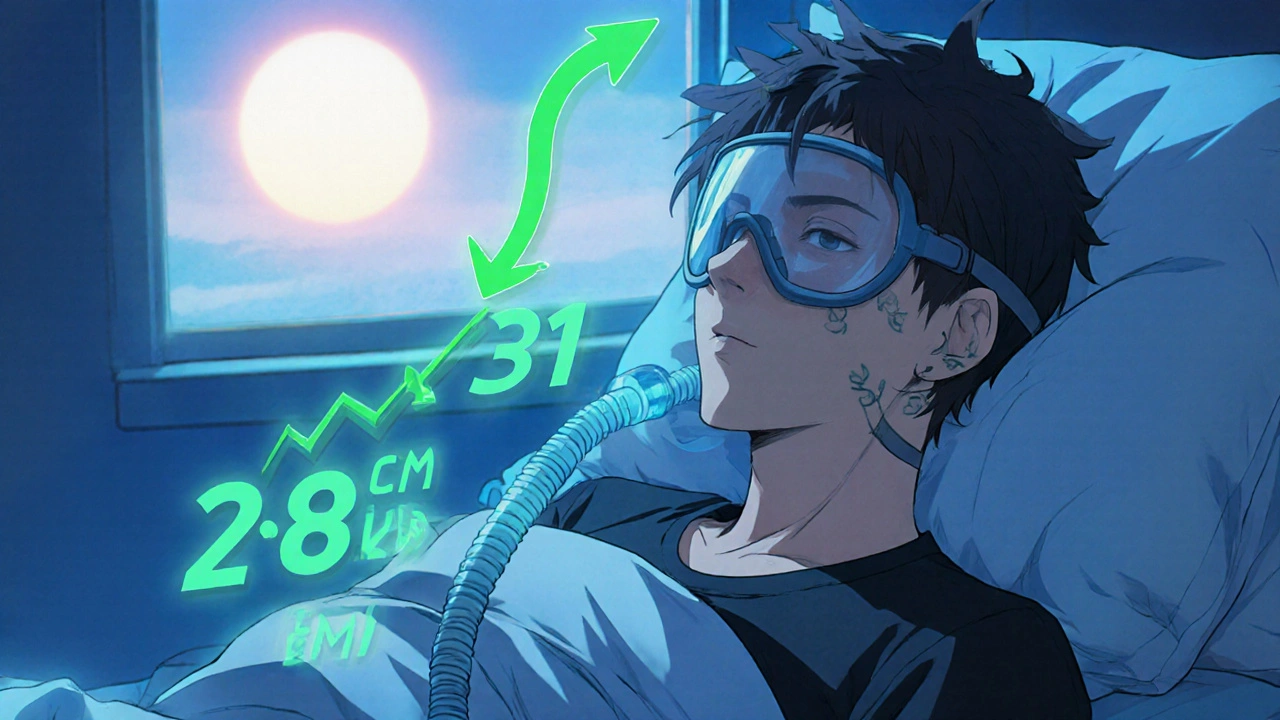
Your BMI directly affects how much pressure your CPAP machine needs to work. Losing even 5-10% of your weight can slash sleep apnea severity and reduce CPAP pressure-sometimes eliminating the need for it entirely.
Opioids like tramadol and dextromethorphan can trigger serotonin syndrome when mixed with antidepressants. Learn which pain meds are safe, which to avoid, and how to recognize the warning signs before it's too late.

Myxedema coma is a life-threatening emergency caused by severe hypothyroidism. Recognizing symptoms like confusion, extreme cold, and low heart rate-and acting immediately-is critical. Delayed treatment can be fatal.
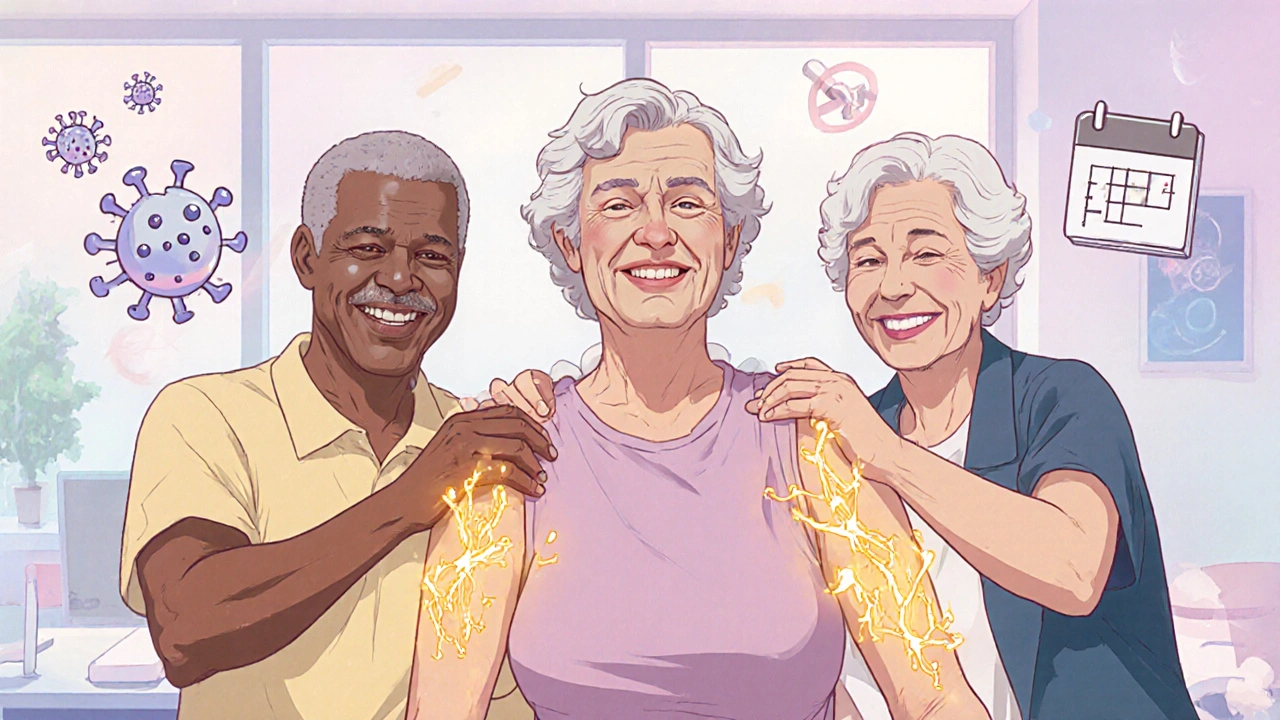
Shingrix is the only shingles vaccine recommended in the U.S. It's highly effective for adults 50+ and immunocompromised adults 19+. Learn who should get it, how it works, side effects, cost, and why it's better than the old vaccine.