
Statin Muscle Pain: What It Is, Why It Happens, and What You Can Do
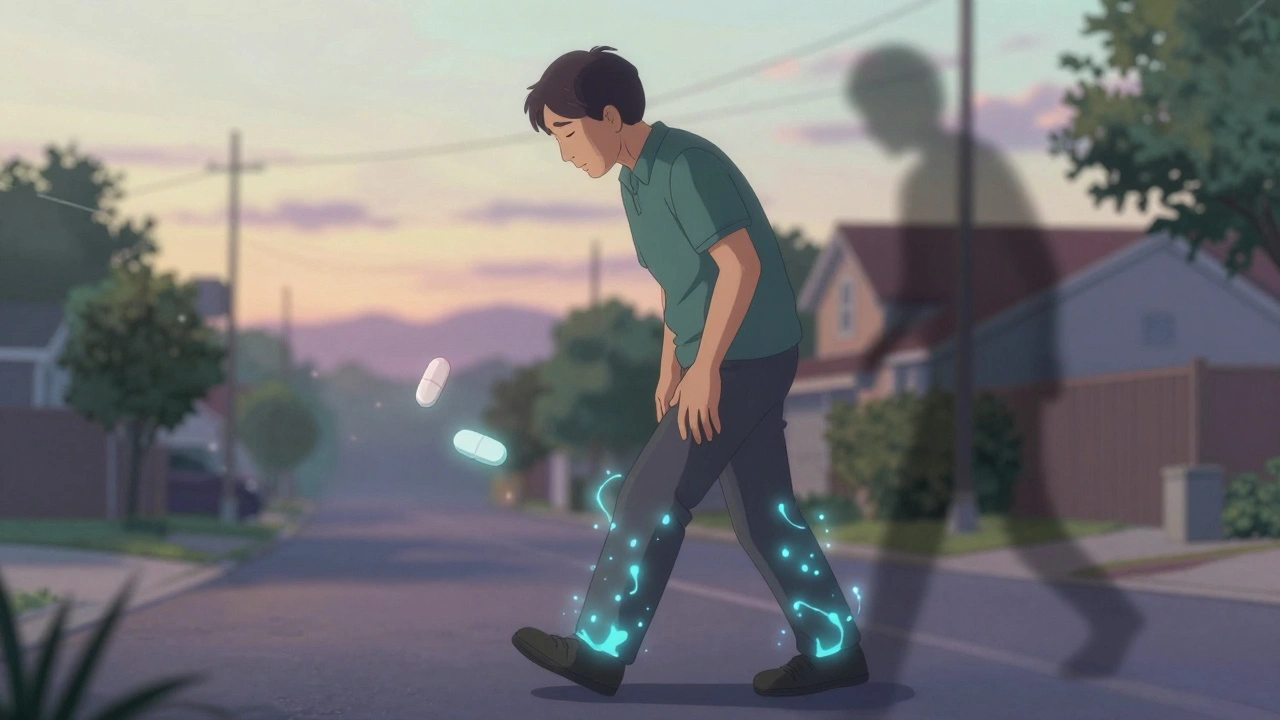
When you take a statin, a class of cholesterol-lowering drugs prescribed to reduce heart attack and stroke risk. Also known as HMG-CoA reductase inhibitors, they work by blocking a liver enzyme that makes cholesterol. But for many, the benefit comes with a cost: statin muscle pain, unexplained aches, weakness, or cramps in the legs, shoulders, or back. It’s not just in your head—this is a real, documented side effect that affects up to 10% of users. And while most cases are mild, some people stop taking their statins altogether because they think the pain means something worse.
Here’s the thing: not every ache is caused by statins. Muscle pain can come from overuse, vitamin D deficiency, thyroid issues, or even just aging. But when it shows up after starting a statin, it’s hard to ignore. The real danger isn’t the pain itself—it’s stopping your meds without talking to your doctor. Statins cut heart attack risk by 25% or more in high-risk people. Walking away from them because of muscle discomfort could be riskier than enduring it. The key is knowing the difference between ordinary soreness and something more serious, like rhabdomyolysis, a rare but dangerous condition where muscle tissue breaks down and floods the bloodstream with harmful proteins. Symptoms? Severe weakness, dark urine, fever, and nausea. If you have those, get help fast.
What works? Many people find relief by switching to a different statin—some, like pravastatin or fluvastatin, are less likely to cause muscle issues. Lowering the dose helps too. Adding coenzyme Q10, a supplement your body makes naturally but statins reduce, may ease symptoms for some. And don’t skip checking your vitamin D levels—low vitamin D is linked to worse muscle pain on statins. Your pharmacist can help you review all your meds too. Some common drugs like antibiotics or grapefruit juice can increase statin levels and make muscle pain worse.
You’re not alone in this. Millions take statins. Many deal with muscle pain. And most find a way to keep taking them safely. The posts below give you real, no-fluff advice: how to track your symptoms so your doctor takes you seriously, what blood tests actually matter, how to talk to your provider without sounding alarmist, and which alternatives might work if statins just aren’t for you. This isn’t about fear—it’s about control. You don’t have to choose between your heart and your muscles. There’s a middle ground, and the answers are here.
CoQ10 may help reduce statin-related muscle pain for some people. Learn how it works, what dose to take, and whether it's worth trying based on the latest research and real-world results.