
RBD medications: What they are, why they matter, and what you need to know
When you RBD medications, drugs used to treat REM sleep behavior disorder, a condition where people physically act out vivid dreams during sleep. Also known as REM sleep behavior disorder treatments, these medications help stop people from kicking, shouting, or even jumping out of bed while asleep—often before they even realize it’s happening. It’s not just about sleep quality—it’s about safety. Left untreated, RBD can lead to serious injuries for the person with the disorder and their bed partner. Many people don’t even know they have it until someone else tells them they’re thrashing around at night.
RBD isn’t just a weird sleep quirk. It’s often an early warning sign of neurological conditions like Parkinson’s disease or dementia with Lewy bodies. That’s why treating it isn’t just about better sleep—it’s about catching something bigger early. The two most common RBD medications, clonazepam and melatonin. Also known as REM sleep disorder drugs, these are the go-to choices because they work reliably and are well-studied. Clonazepam, a benzodiazepine, calms the brain’s motor centers during REM sleep, stopping physical movements. Melatonin, the natural sleep hormone, helps regulate the sleep-wake cycle and has fewer side effects, making it a top pick for older adults or those avoiding stronger drugs.
Not everyone responds the same way. Some people find melatonin works perfectly with just 3–6 mg at bedtime. Others need clonazepam at 0.5–2 mg, even if they’ve never used benzodiazepines before. The key is starting low and going slow. These aren’t drugs you take for life unless you need to—they’re tools to protect you while you and your doctor figure out what’s underneath the disorder.
What you won’t find in most guides are the real-life trade-offs. Clonazepam can make you groggy in the morning or increase fall risk in seniors. Melatonin might not work if your body doesn’t respond to it. And while some people try antidepressants or sleep aids, those often make RBD worse. That’s why knowing your options matters—especially when you’re trying to avoid side effects while staying safe at night.
The posts below give you real, practical advice on how these medications work, how to talk to your doctor about them, what to watch for, and what alternatives exist. You’ll find stories from people who’ve tried them, data on what works best, and clear guidance on when to push back or ask for something different. This isn’t theory—it’s what people actually use, and what their doctors recommend after years of seeing what helps and what doesn’t.
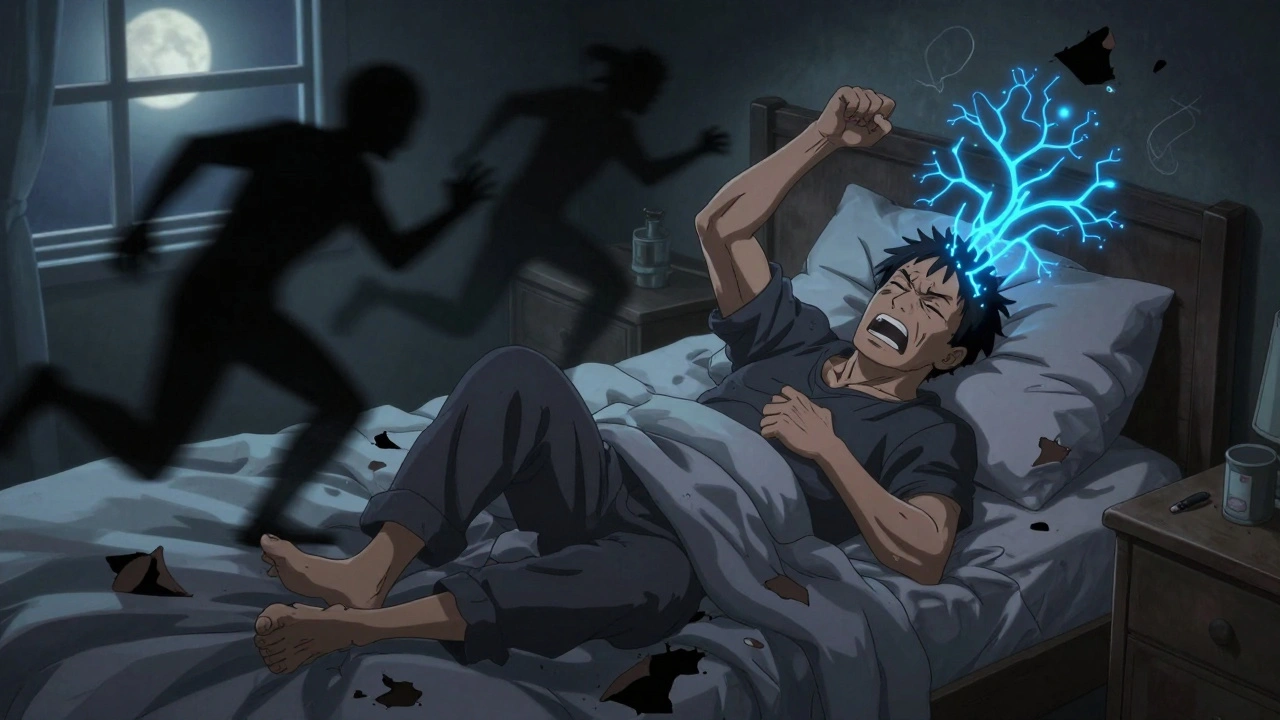
REM sleep behavior disorder involves acting out dreams during sleep and is often a warning sign of Parkinson’s or dementia. Learn about effective medications like melatonin and clonazepam, safety steps, and why neurological monitoring is critical.