
Persistent Hiccups: Causes, Treatments, and When to See a Doctor
When hiccups stick around for more than two days, they’re no longer just a funny annoyance—they’re persistent hiccups, a medical condition lasting over 48 hours that may point to an underlying neurological or metabolic issue. Also known as chronic hiccups, this isn’t just about a twitchy diaphragm—it’s often a sign your body is trying to tell you something’s off. Most hiccups go away on their own in minutes. But if yours won’t stop, it could be tied to irritation of the vagus or phrenic nerves, acid reflux, or even something more serious like a tumor, stroke, or infection.
Some medications can trigger persistent hiccups, a side effect linked to drugs that affect the central nervous system or digestive tract. Think steroids, benzodiazepines, or even certain chemotherapy agents. If you started a new pill and the hiccups began soon after, that’s not a coincidence. Drug-induced hiccups, a recognized but underreported side effect of multiple prescription and over-the-counter drugs are more common than you think—and often overlooked by doctors who focus on the main reason you’re taking the medicine.
Neurological conditions like multiple sclerosis, brain injuries, or even Parkinson’s can also cause persistent hiccups, a symptom tied to disrupted nerve signaling between the brain and diaphragm. That’s why a simple case of hiccups might need a neurological checkup, especially if you’re also experiencing weakness, speech changes, or swallowing trouble. It’s not just about holding your breath or drinking water—sometimes, you need blood tests, imaging, or a review of your meds to find the real cause.
What you’ll find here are real, practical stories and guides from people who’ve been there. You’ll learn how certain drugs can trigger long-lasting hiccups, how to track symptoms like a pro using a diary, what tests doctors actually order, and when it’s time to push for more than a home remedy. No fluff. No guesswork. Just clear info on what’s happening in your body and what to do next.
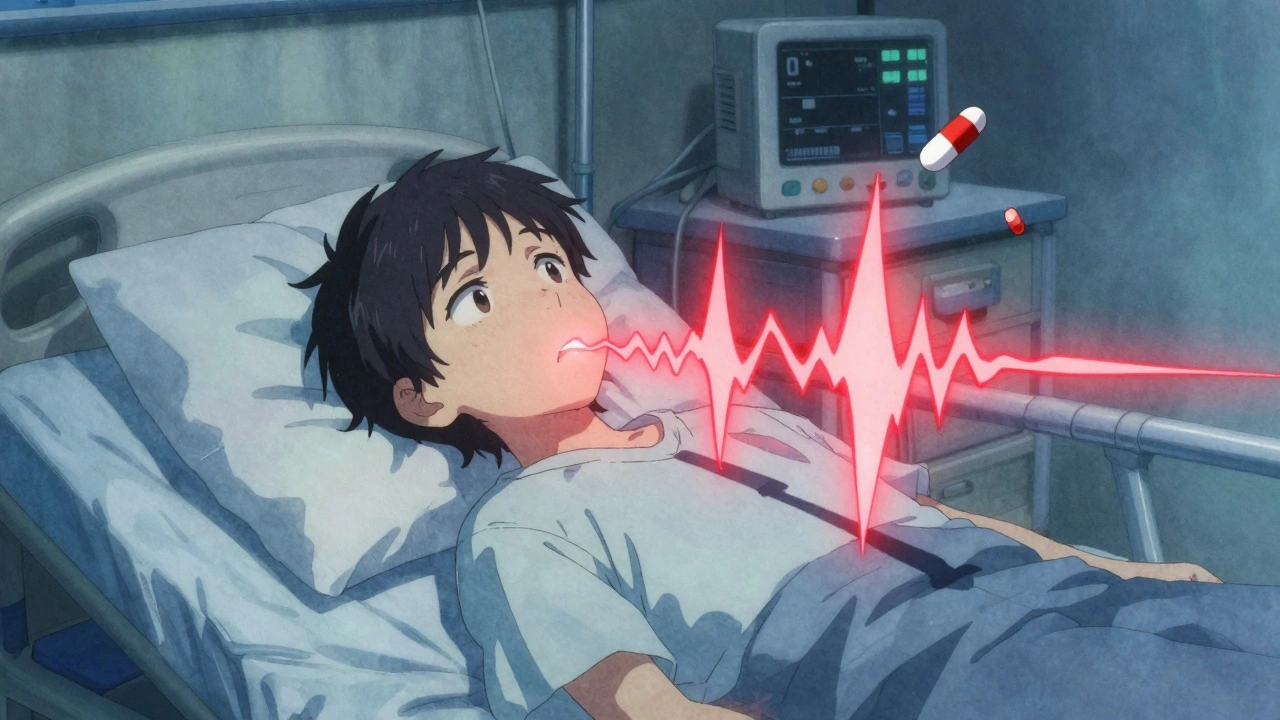
Medication-induced hiccups are more common than you think, especially with steroids and opioids. Learn the causes, proven remedies like sugar and baclofen, and how to talk to your doctor when hiccups won’t stop.