
India pharma industry: How India Shapes Global Medicines and Drug Access
When you take a generic pill for high blood pressure, diabetes, or an infection, there’s a good chance it came from the India pharma industry, the world’s largest producer of generic medicines by volume, supplying over 50% of the U.S. demand and 20% of the global supply. Also known as the global pharmacy, it’s not just about low prices—it’s about scale, speed, and access. This isn’t a side business. India’s drugmakers produce billions of tablets and millions of doses every month, often at a fraction of the cost of brand-name versions made in the U.S. or Europe. The generic drugs, medications with the same active ingredients as brand-name drugs but sold without patent protection made in India are the backbone of treatment plans in low-income countries and the reason millions of Americans can afford their prescriptions.
What makes this possible? It’s a mix of strong manufacturing standards, government policies that protect innovation while allowing competition, and a workforce trained to produce high-quality drugs at massive scale. The pharmaceutical manufacturing, the process of producing medicines under strict quality controls to meet international standards in India follows guidelines from the FDA, WHO, and EMA. Many Indian factories are inspected and approved by U.S. regulators—same as those in New Jersey or Germany. But unlike Western firms, Indian companies don’t spend billions on marketing or patent extensions. They focus on making the drug, and making it cheap. That’s why a 30-day supply of metformin for diabetes might cost $4 in India and $150 in the U.S. The affordable medicines, drugs priced so low they’re accessible even in the poorest regions made here don’t sacrifice safety—they just remove the middlemen and the markups.
And it’s not just about pills. India is also a top supplier of vaccines, injectables, and active pharmaceutical ingredients (APIs)—the raw chemical building blocks of every medicine. When the world needed COVID vaccines, India shipped out hundreds of millions of doses. When a shortage hit in the U.S., Indian manufacturers stepped in to fill the gap. The drug exports, the global trade of pharmaceutical products from India to other nations are worth over $25 billion a year, making it one of the country’s biggest export sectors. But it’s not without challenges. Supply chain disruptions, raw material shortages, and regulatory scrutiny can ripple through the system. Still, the core truth remains: if you need a medicine and can’t afford the brand name, chances are India made the version you’re taking.
Below, you’ll find real guides on how these drugs reach you, how to check if they’re safe, how to ask your pharmacist about them, and what to watch for when switching from brand to generic. Whether you’re saving money, managing a chronic condition, or just trying to understand your prescription, the India pharma industry is part of your story—whether you know it or not.
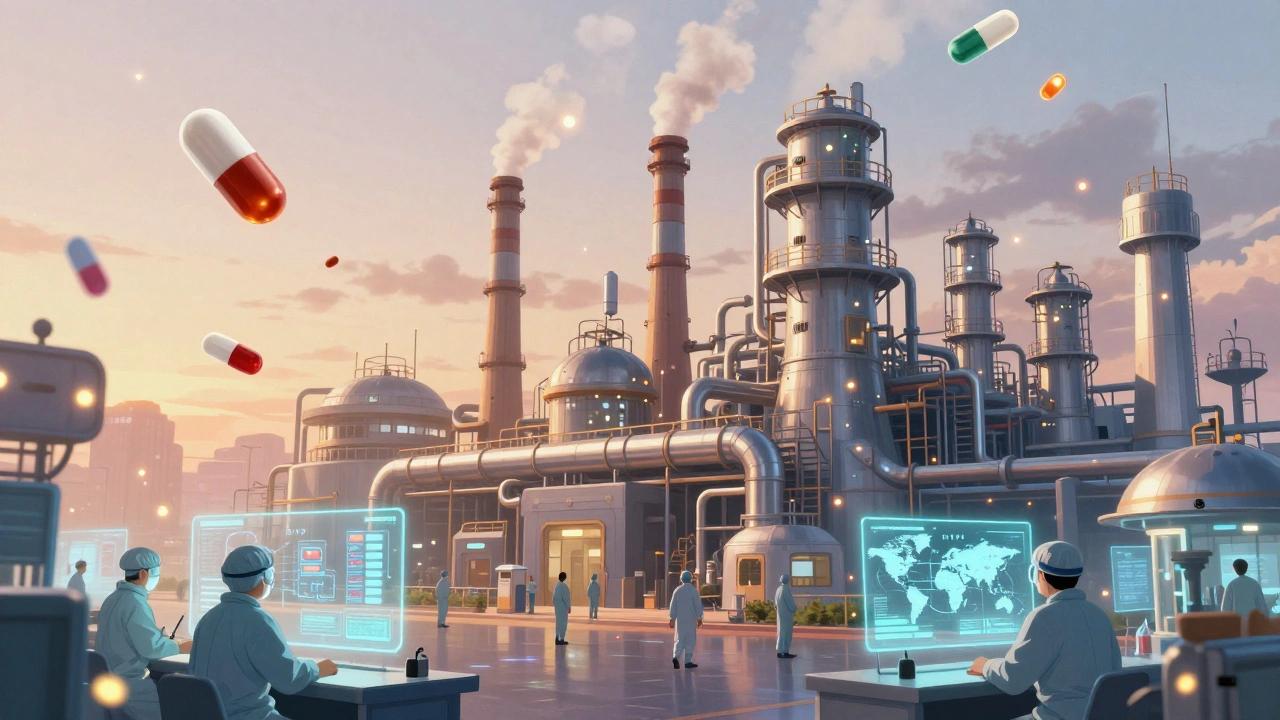
India produces 20% of the world's generic drugs, supplying affordable medicines to over 150 countries. From HIV treatments to diabetes pills, Indian manufacturers make life-saving drugs at a fraction of the cost-without sacrificing quality.