
Hiccup Remedies: Simple, Proven Ways to Stop Hiccups Fast
When your diaphragm spasms and your vocal cords snap shut, you get that annoying hiccup, a sudden, involuntary contraction of the diaphragm followed by rapid closure of the vocal cords. Also known as singultus, it’s not dangerous—but it can be embarrassing, distracting, or even painful if it lasts too long. Most hiccups fade on their own in minutes. But when they stick around, you want something that actually works—not just old wives’ tales.
Some hiccup remedies, simple techniques that interrupt the nerve signal causing the spasm have real science behind them. Holding your breath for 10 to 20 seconds, for example, raises carbon dioxide levels in your blood, which can calm the vagus nerve triggering the hiccup. Sipping cold water slowly does something similar—cooling the throat and resetting the reflex. Swallowing a teaspoon of sugar? That works too. The granules stimulate the vagus nerve in your mouth, disrupting the hiccup cycle. These aren’t guesses—they’re documented methods used in emergency rooms and clinics.
Not all hiccups are harmless. If they last more than 48 hours, they’re called persistent hiccups, a medical condition that can signal nerve irritation, brain issues, or even side effects from certain medications. Drugs like steroids, benzodiazepines, or even some chemotherapy agents can trigger them. In rare cases, hiccups are linked to conditions like gastroesophageal reflux, pneumonia, or even a tumor pressing on nerves. If you’ve tried the basics and nothing helps, or if you’re losing sleep or weight because of them, it’s time to see a doctor.
You’ll find real stories here—people who stopped hiccups with breath holds, ice chips, or even a surprise lemon bite. Some tried the old scare tactic (jumping, being startled) and it worked. Others found relief only after adjusting their meds or treating silent reflux. These aren’t random tips. They’re drawn from real experiences and clinical patterns. What works for one person might not work for you—but knowing the options gives you control. No magic pills. No expensive gadgets. Just practical, tested ways to get your body back on track.
Below, you’ll see how people have tackled hiccups using simple actions, lifestyle tweaks, and sometimes, medical advice. Whether it’s a quick fix before a meeting or a long-standing problem you’ve ignored, there’s something here that matches your situation. No fluff. Just what helps—and what doesn’t.
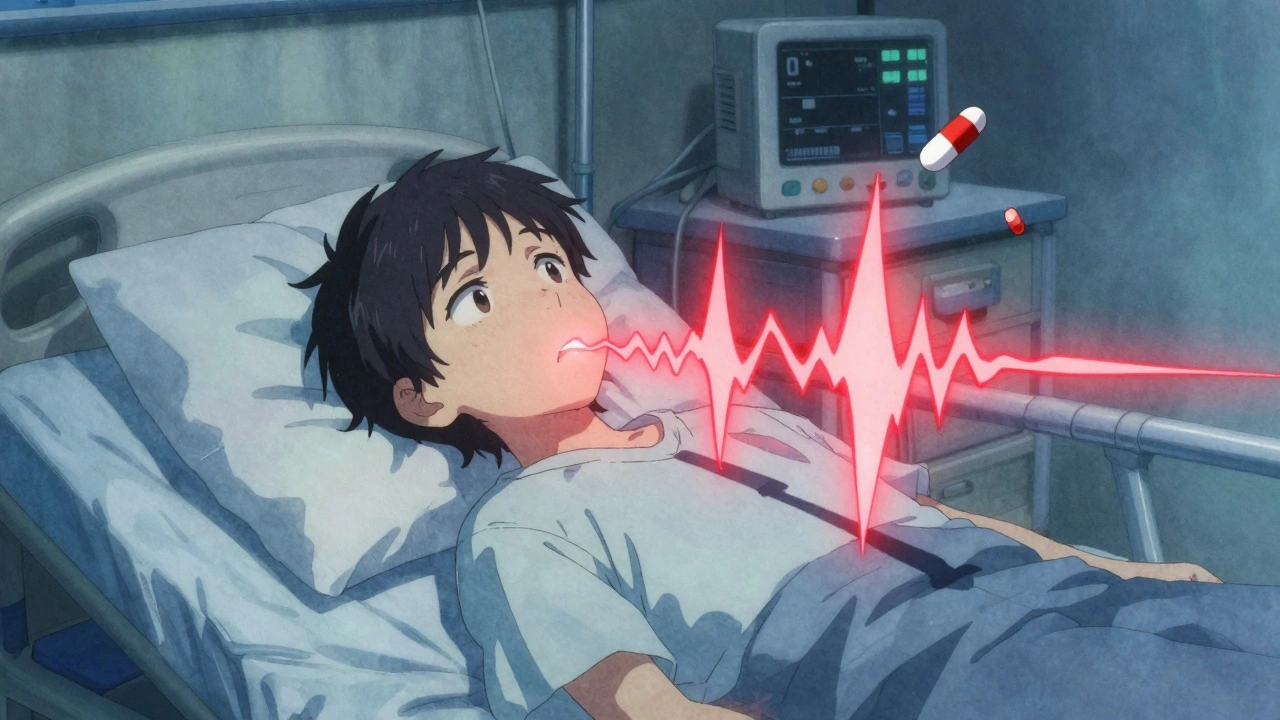
Medication-induced hiccups are more common than you think, especially with steroids and opioids. Learn the causes, proven remedies like sugar and baclofen, and how to talk to your doctor when hiccups won’t stop.