
Global Pharmaceutical Exports: How Medicines Move Across Borders and What It Means for You
When you pick up a bottle of generic metformin or a pack of statins, there’s a good chance it didn’t start its life in your local pharmacy. Global pharmaceutical exports, the large-scale movement of finished drugs and active ingredients across national borders. Also known as international drug trade, it’s the invisible engine behind most medications you take—whether they’re made in India, Germany, or China. This isn’t just about big companies shipping pills overseas. It’s about whether your prescription stays affordable, safe, and in stock when you need it.
Drug manufacturing, the process of producing active pharmaceutical ingredients and finished dosage forms happens in fewer countries than you think. Over 80% of the raw ingredients for common pills like antibiotics, blood pressure meds, and antidepressants come from just two regions: India and China. These countries don’t just make the base chemicals—they also package and label the final products. That’s why a pill bought in the U.S. might be made in Mumbai, shipped through Rotterdam, and sold under a U.S. brand name. The international drug supply, the network of factories, distributors, and regulators that move medicines from production to patient is built on cost, speed, and regulation. But when a factory shuts down, or a country restricts exports, the ripple effects hit your medicine cabinet.
Generic medication trade, the global exchange of non-brand-name drugs that are chemically identical to brand versions is the backbone of affordable care worldwide. Countries with limited healthcare budgets rely on these exports to treat diabetes, high cholesterol, and infections. But not all generics are equal. Some are made under strict FDA or EMA standards. Others slip through less regulated channels. That’s why knowing where your meds come from matters—not because you need to avoid foreign-made drugs, but because you deserve to know what quality controls were in place.
Regulation plays a huge role. The pharmaceutical regulation, the set of rules and inspections that ensure drugs are safe, effective, and properly labeled varies wildly from country to country. The U.S. FDA, the European EMA, and Health Canada have tight oversight. But many nations depend on imports from countries with weaker inspection systems. That’s why drug recalls often start overseas. It’s also why your pharmacist might ask if your generic was made in a specific facility—because they’re checking the supply chain, not just the label.
What does this mean for you? If your medication suddenly costs more, disappears from shelves, or has a different color or shape, it’s likely tied to a shift in global exports. A factory fire in India, a trade dispute between the U.S. and China, or a new export ban in a key producing country can all change what’s on your pharmacy shelf. The same medicines you’ve trusted for years might come from a new source—without any warning.
Below, you’ll find real guides that connect these global flows to your daily health. Learn how to check where your drugs come from, how to spot quality red flags, why some generics work better than others, and how to use your pharmacist’s advice to protect yourself. These aren’t theoretical discussions—they’re practical steps taken by people who’ve seen their prescriptions change overnight. Whether you’re on a chronic medication or just filling a new prescription, understanding global pharmaceutical exports helps you take control—not just of your health, but of the system that delivers it.
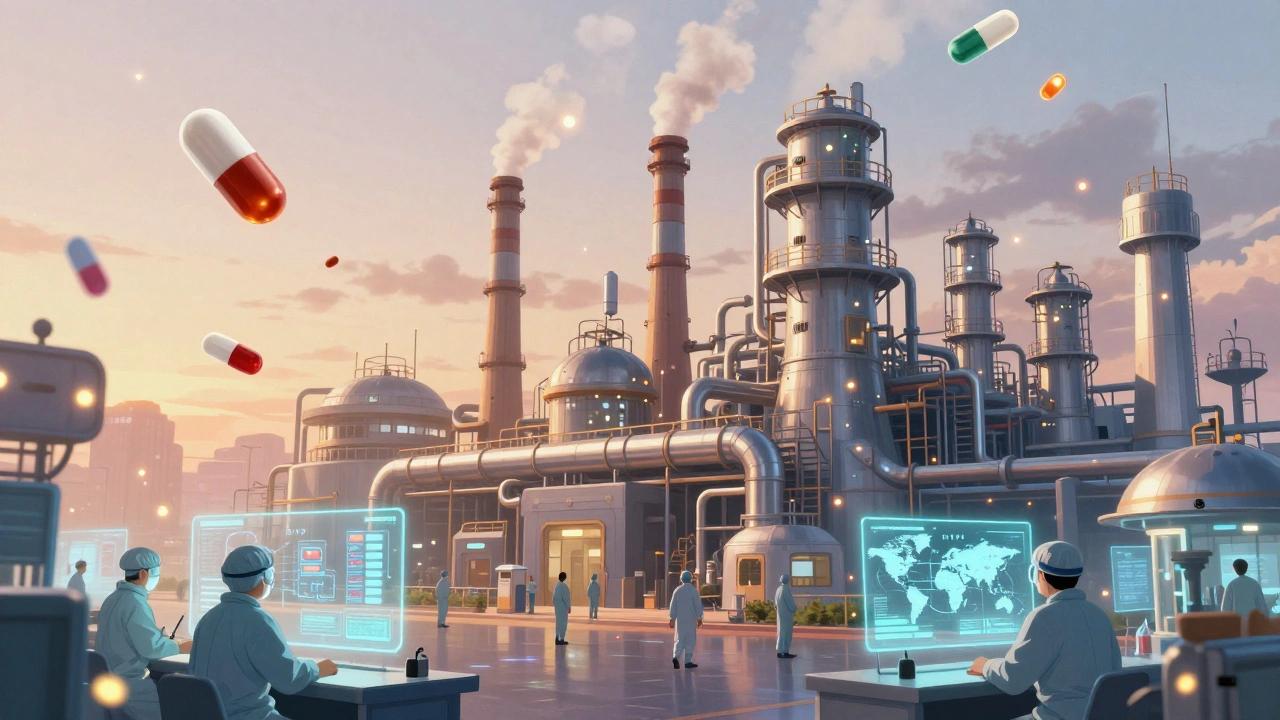
India produces 20% of the world's generic drugs, supplying affordable medicines to over 150 countries. From HIV treatments to diabetes pills, Indian manufacturers make life-saving drugs at a fraction of the cost-without sacrificing quality.