
Generic Medications: What They Are, Why They Work, and How to Use Them Safely
When you hear generic medications, copycat versions of brand-name drugs that contain the same active ingredients, work the same way, and meet the same strict safety standards. Also known as generic drugs, they make up nearly 90% of all prescriptions filled in the U.S. and are the backbone of affordable healthcare worldwide. You might think they’re cheaper because they’re weaker—but that’s not true. The FDA requires them to be bioequivalent: meaning they deliver the same amount of medicine into your bloodstream at the same speed as the original. That’s why millions of people with diabetes, high blood pressure, or depression rely on them every day.
Behind every generic pill is a network of generic medicine manufacturers, companies like those in India that produce over 20% of the world’s generic drugs and ship them to more than 150 countries. These aren’t shady operations—they’re highly regulated, often FDA-inspected, and produce the exact same active ingredients as the big-name brands. The cost difference comes from skipping expensive marketing, patents, and branding. You’re not paying for the color of the pill or the logo—you’re paying for the science inside. But knowing they’re safe doesn’t mean you should just grab them off the shelf without asking questions. medication safety, the practice of avoiding harmful drug interactions, side effects, and dosing errors is just as important with generics as it is with brand names. A drug interaction checker, a symptom diary, or a quick chat with your pharmacist can prevent serious problems—like mixing opioids with antidepressants or missing a blood test for a narrow therapeutic index drug like theophylline.
Many people don’t realize they can get free, expert advice directly from their pharmacy. pharmacy consultation, a service where licensed pharmacists review your full list of meds to catch risks and suggest cheaper alternatives is available at almost every local pharmacy—and it’s often overlooked. You don’t need a doctor’s note. Just walk in or call and ask: "Can you check my meds?" They’ll spot duplicates, interactions, or even tell you that a generic version of your prescription is available for $10 instead of $150. Online counseling and secure messaging through apps like MyChart make this even easier, especially if you’re managing multiple conditions or switching between brands and generics.
Whether you’re saving money on blood pressure pills, switching from a brand-name ED drug to its generic twin, or trying to understand why your sleep aid isn’t working like it used to—generic medications are your ally. But they’re not magic. They work best when you know how to use them, when to ask for help, and what to watch for. Below, you’ll find real, practical guides on everything from Indian manufacturers and drug interaction checkers to how to track side effects and talk to a pharmacist without feeling awkward. No fluff. No jargon. Just what you need to take control of your meds—and your health.
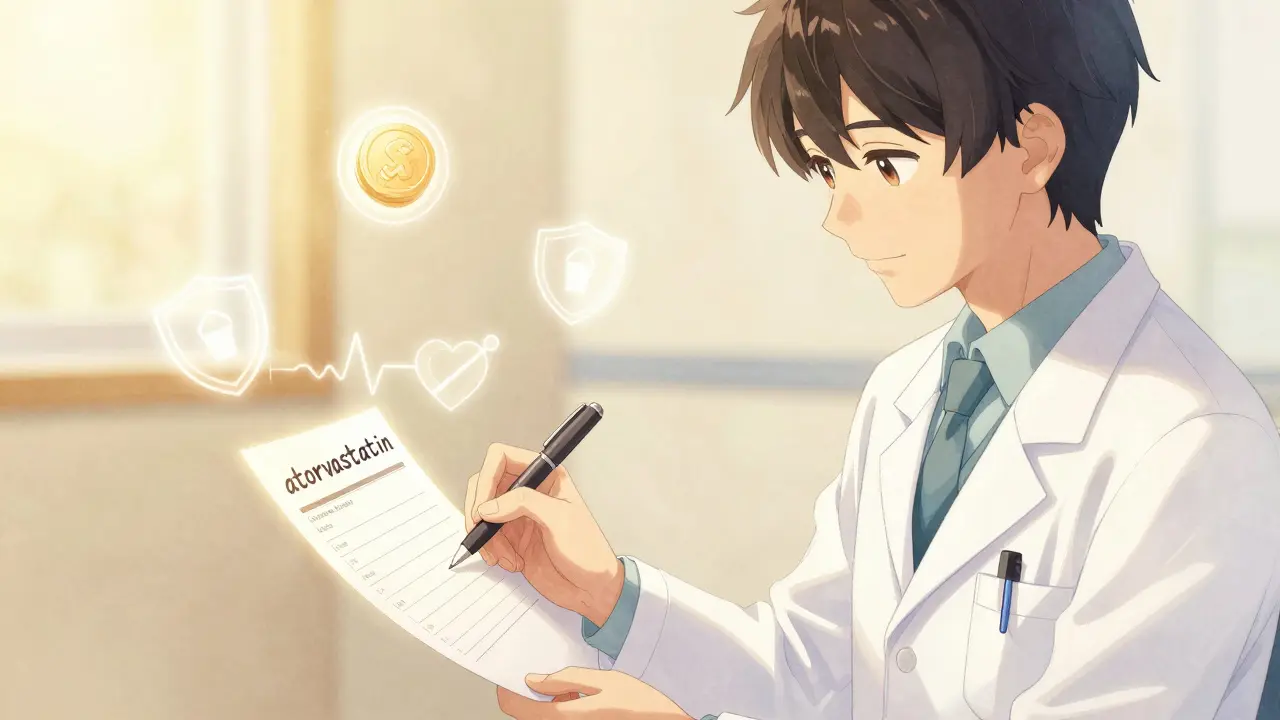
Generic prescribing saves billions, reduces errors, and improves adherence. Learn when and how to prescribe generics safely, based on NHS, FDA, and WHO guidelines.
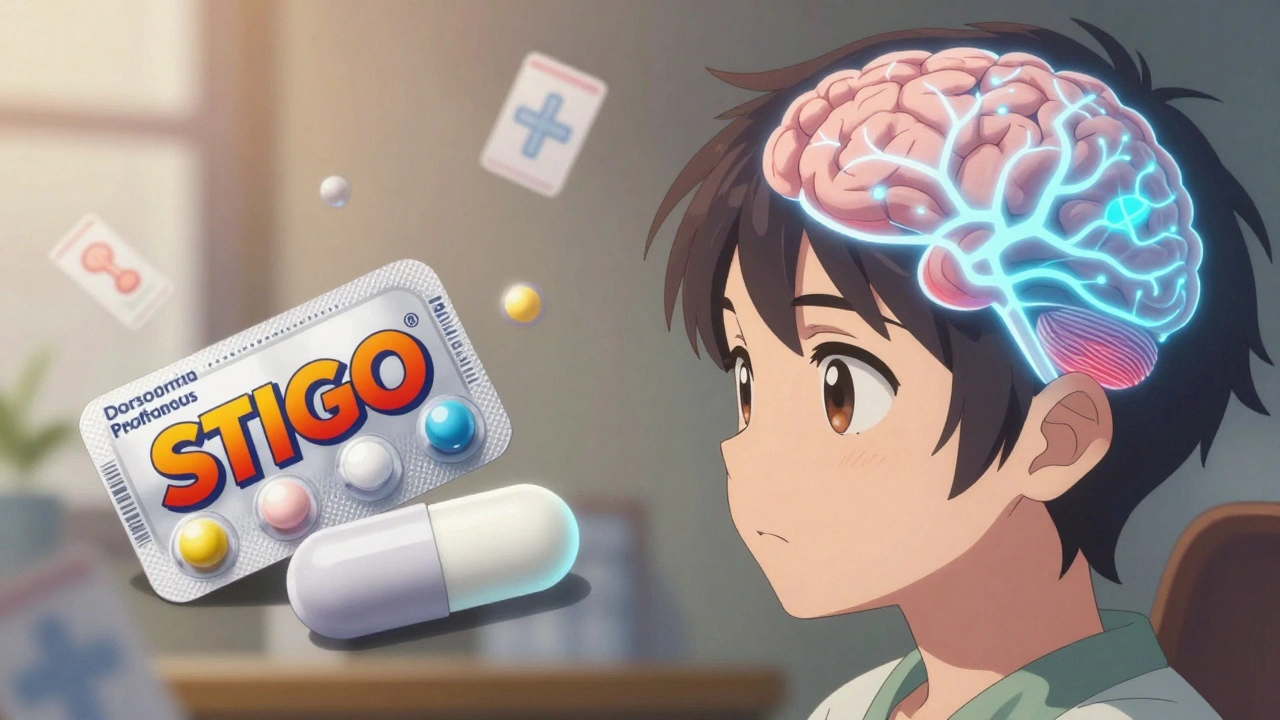
Why do some people feel generics don't work as well as brand-name drugs-even when they're chemically identical? Science shows perception, not chemistry, drives the difference. Explore the placebo and nocebo effects shaping medication outcomes.