
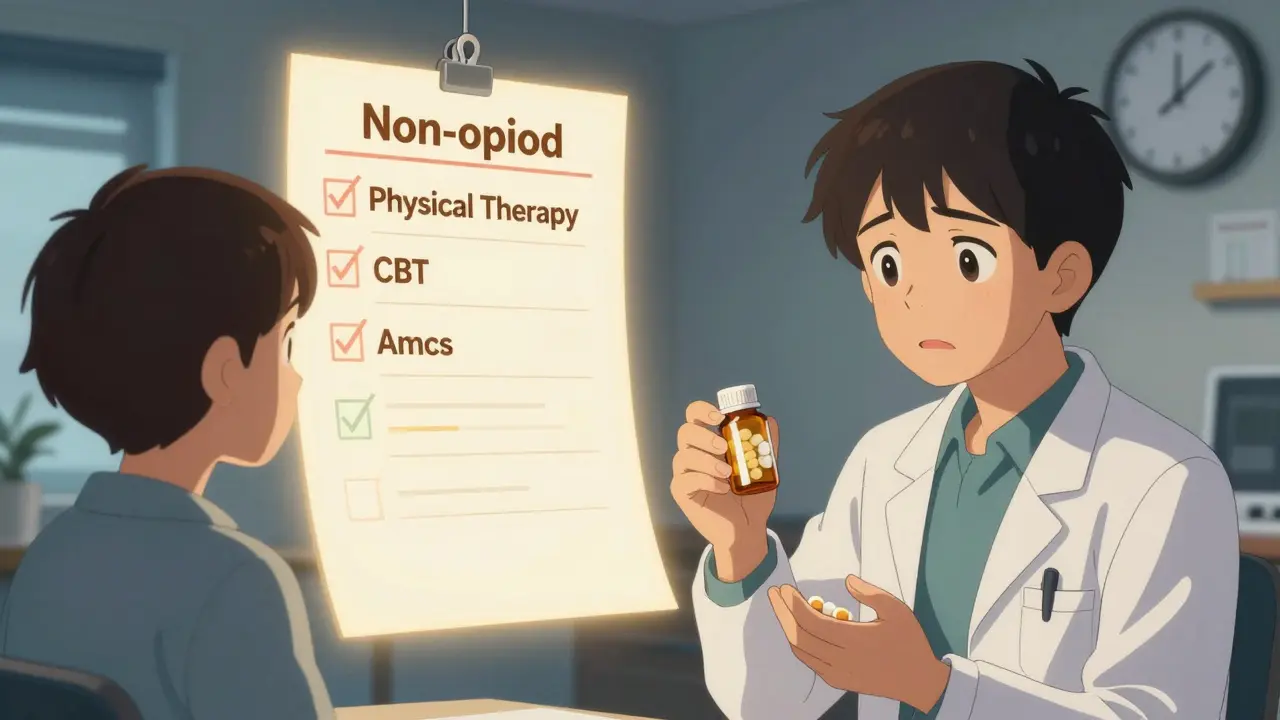
When you’re in severe pain-after surgery, a broken bone, or a flare-up of arthritis-it’s tempting to reach for the strongest relief possible. Opioids can deliver that. But for millions of Americans, what starts as short-term relief turns into a long, dangerous road. The question isn’t just opioid therapy-it’s when it’s appropriate, and when the risks far outweigh the benefits.
Not All Pain Needs Opioids
The CDC’s 2022 guidelines made it clear: opioids should never be the first choice for chronic pain. That means pain lasting more than three months. For most people with back pain, osteoarthritis, or fibromyalgia, non-opioid options like physical therapy, acetaminophen, NSAIDs, or even cognitive behavioral therapy work better-and safer. Studies show opioids only reduce pain by about 0.6 to 1.8 points on a 10-point scale in the short term. That’s barely noticeable. And over time? The benefits fade. The risks? They grow.When Opioids Might Still Make Sense
There are times when opioids are the right tool. For acute pain-like after a major surgery or a serious injury-short-term use (three to seven days) is often necessary. The Veterans Affairs and Department of Defense guidelines say opioids should be reserved for severe acute pain when other options don’t cut it. Even then, the prescription should be small: just enough to get through the worst of it. A 2020 Kaiser Permanente study found that 43% of patients given opioids for acute pain got far more pills than they needed. Those extra pills? Often end up in medicine cabinets, where kids, teens, or visitors might grab them. For cancer patients, end-of-life care, or sickle cell crises, opioids remain essential. These cases are excluded from most general guidelines because the goal isn’t long-term function-it’s comfort. But for chronic non-cancer pain? The bar is much higher. You’ve got to try everything else first: exercise, nerve blocks, antidepressants like duloxetine, or even acupuncture. Only if those fail-and only if your pain is truly disabling-should opioids even be considered.The Dependence Risk Isn’t Theoretical
People think addiction happens to “other people.” But the numbers don’t lie. About 8 to 12% of patients on long-term opioid therapy develop opioid use disorder. That’s roughly one in ten. And if you’re on 100 morphine milligram equivalents (MME) or more per day? That risk jumps to 26%. That’s more than one in four. It’s not just about addiction. Dependence is different. You can be physically dependent without being addicted-meaning your body needs the drug to avoid withdrawal. But withdrawal from opioids is brutal: nausea, sweating, muscle cramps, anxiety, insomnia. And if you suddenly stop, especially after months or years, you’re at higher risk of relapse-sometimes to street drugs like heroin or fentanyl. And it’s not just dose. Other factors stack the deck. If you’re also taking benzodiazepines-like Xanax or Valium-for anxiety or sleep, your overdose risk triples. If you’re over 65, your body clears opioids slower. If you’ve had a past substance use disorder? Your risk is 3.5 times higher. These aren’t hypotheticals. They’re clinical red flags built into every major guideline.Dosing Isn’t Arbitrary
The CDC doesn’t set hard limits, but it does give clear thresholds. Most patients should stay under 50 MME per day. That’s about 10 tablets of 5 mg oxycodone. If you’re over 90 MME? You need a serious risk assessment. Why? Because each extra 10 MME increases overdose risk by 11% between 50 and 100 MME. That’s not a small jump. It’s a steep cliff. And here’s something many don’t realize: you don’t have to be taking high doses to be at risk. Even at 20 MME per day, your overdose risk is already 8% higher for every additional 10 MME. That’s why doctors are now trained to start low and go slow-if they go at all.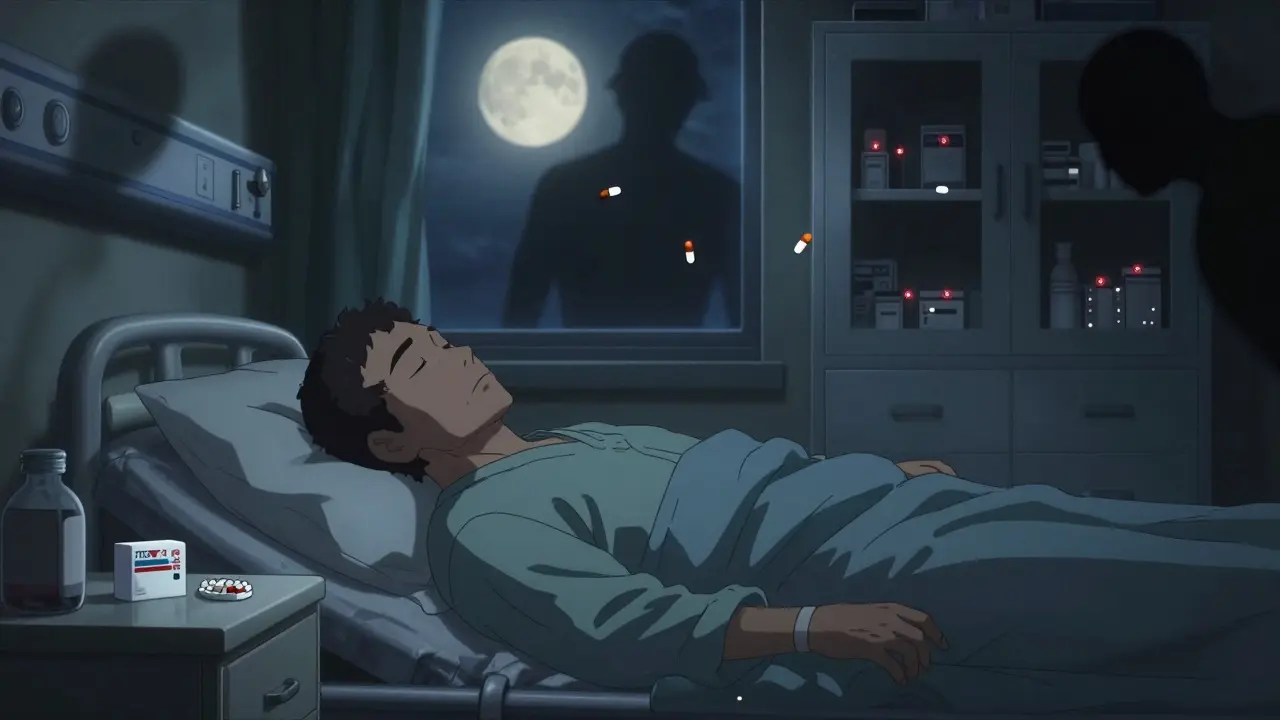
Monitoring Isn’t Optional
If you’re on opioids long-term, you’re not just getting prescriptions. You’re in a monitoring program. The VA/DoD guidelines say you should be checked at least every three months. For high-risk patients? Monthly. What do they check?- Pain level on a 0-10 scale
- How well you’re functioning-can you walk, work, sleep?
- Urine drug tests to make sure you’re taking what’s prescribed
- Screening tools like the Current Opioid Misuse Measure (COMM) to spot red flags: doctor shopping, lost prescriptions, mood swings
Tapering Off Is a Skill, Not a Punishment
Too many people have been told to stop opioids cold turkey. That’s dangerous. Abrupt discontinuation can trigger severe withdrawal, depression, and even suicide. It can also push people back to illegal opioids. The right way to taper? Slowly. For stable patients, reduce by 2-5% every 4 to 8 weeks. If you’re not improving? Increase the taper to 5-10%. Only in cases of extreme risk-like doses over 90 MME or signs of misuse-should you go faster, like 10% per week. But even then, it’s done with support: counseling, access to naloxone, and alternative pain treatments. And here’s the truth: if you’ve been on opioids for years and they’re not helping your function, continuing them isn’t kindness-it’s harm.What’s Changing in 2026
Opioid prescribing has dropped 42.5% since 2012. That’s progress. But overdose deaths? They’re still high-over 80,000 in 2021. Why? Because the problem shifted. More deaths now come from illicit fentanyl, not prescriptions. But that doesn’t mean we got it right. Many patients who were stable on low-dose opioids were forced off too quickly, with no plan. That’s why the American Medical Association and other groups pushed back on rigid policies. Now, the focus is on balance. Prescription Drug Monitoring Programs (PDMPs) are live in 49 states. Doctors check them before writing a script. Naloxone-the overdose reversal drug-is now available in 51% of U.S. hospitals as a standing order for at-risk patients. That’s up from 18% in 2016. And research is moving fast. The NIH’s HEAL Initiative has poured $1.5 billion into non-addictive pain treatments. Right now, 37 new pain drugs are in late-stage trials. None are opioids. They’re targeting nerve pain, inflammation, and brain pathways differently. That’s the future.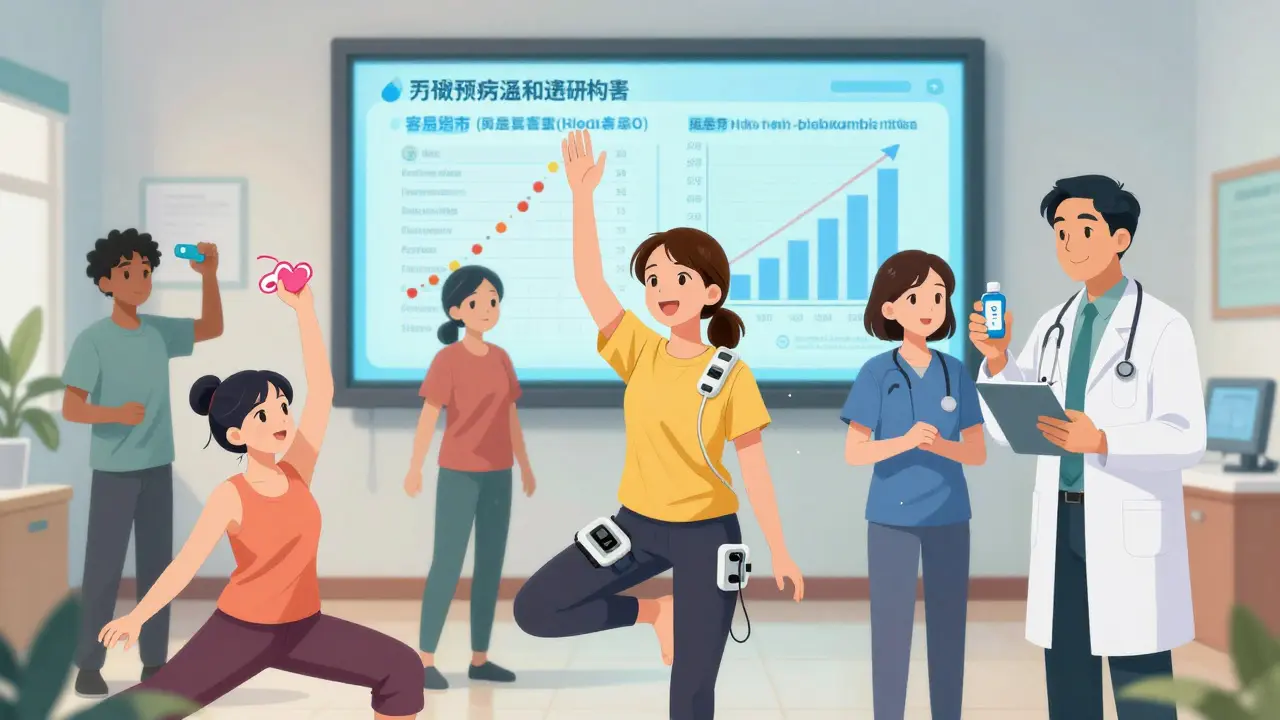
What You Should Do
If you’re on opioids:- Ask: Is this helping me move, sleep, or work better-or just dulling the pain?
- Ask: Have I tried physical therapy, exercise, or other non-drug options?
- Ask: Am I on more than 50 MME per day? If yes, why?
- Ask: Do I have naloxone on hand? Does my family know how to use it?
- Ask: Can we make a plan to reduce this safely?
- Don’t default to opioids. Use the CDC’s guidelines as a checklist, not a ceiling.
- Check the PDMP before every script.
- Prescribe naloxone if the patient is on 50+ MME, uses benzodiazepines, or has a history of substance use.
- Don’t rush tapers. Work with the patient. Make it a partnership.
Frequently Asked Questions
Are opioids ever safe for long-term chronic pain?
Opioids can be used for long-term chronic pain-but only after all other options have failed, and only if the benefits clearly outweigh the risks. Most patients don’t get meaningful improvement over time, and the risk of dependence grows with every month. The CDC recommends strict monitoring, keeping doses under 50 MME per day, and regularly reassessing function-not just pain levels.
Can I become addicted if I take opioids exactly as prescribed?
Yes. Addiction isn’t just about misuse. Physical dependence can develop even with perfect adherence. About 8-12% of patients on long-term opioid therapy develop opioid use disorder, regardless of whether they’re following directions. Genetic factors, mental health history, and past substance use play a big role. Taking opioids as prescribed reduces risk, but doesn’t eliminate it.
What’s the difference between dependence and addiction?
Dependence means your body has adapted to the drug and will go through withdrawal if you stop. Addiction is a brain disorder where you compulsively use the drug despite harm-like lying to get more, using it to cope with emotions, or continuing even when it ruins your life. You can be dependent without being addicted. But addiction almost always includes dependence.
Why do some doctors still prescribe high-dose opioids?
Some doctors haven’t updated their training. Others face pressure from patients who believe opioids are the only solution. A 2021 study found 68% of ER doctors say lack of time stops them from doing full risk assessments. And some patients are scared to ask for alternatives. But the evidence is clear: high doses don’t work better-and they’re far more dangerous.
Is naloxone really necessary if I’m on a low dose?
The CDC recommends naloxone for anyone on 50+ MME per day, or anyone using benzodiazepines, or with a history of substance use. But even at lower doses, if you live alone, have sleep apnea, or take other sedatives, naloxone is a smart safety net. It’s not just for “high-risk” people-it’s for anyone who might accidentally overdose, even from a single extra pill.
What are the best alternatives to opioids for chronic pain?
Physical therapy, exercise, cognitive behavioral therapy (CBT), and non-opioid medications like acetaminophen, NSAIDs, gabapentin, or duloxetine are all more effective long-term than opioids. For nerve pain, topical lidocaine or capsaicin patches help. For back pain, yoga and tai chi reduce pain and improve function. New non-addictive drugs are in trials, but right now, the best alternatives are movement, mindset, and medicine that doesn’t shut down your brain’s reward system.
What Comes Next
If you’re on opioids and wondering if you should stop-don’t quit cold. Talk to your doctor. Ask for a taper plan. Ask for a referral to a pain specialist or addiction counselor. If you’re not getting the answers you need, go to a clinic that specializes in chronic pain management. You deserve care that doesn’t trade one problem for another. The goal isn’t to eliminate opioids entirely. It’s to use them wisely-only when they truly help, and never without a plan to get off them safely. Pain matters. But so does your life beyond it.Releted Post

Caspian Fothergill
Hello, my name is Caspian Fothergill. I am a pharmaceutical expert with years of experience in the industry. My passion for understanding the intricacies of medication and their effects on various diseases has led me to write extensively on the subject. I strive to help people better understand their medications and how they work to improve overall health. Sharing my knowledge and expertise through writing allows me to make a positive impact on the lives of others.
Just had my first physical therapy session after 3 years of opioids for back pain... and I can actually bend over again 😭🙌
People act like opioids are the devil, but what about the guy who’s been in constant pain since his motorcycle accident at 19? He’s not chasing a high-he’s chasing a night without screaming into a pillow. 🤷♂️
Oh please. If you’re on more than 20 MME and still complaining about pain, you’re either lying or you’re a drug-seeking zombie. Stop pretending you’re a victim.
Wow. The CDC guidelines are *so* groundbreaking. I’m shocked doctors didn’t figure out that giving people 100 oxycodone pills after a wisdom tooth extraction was a bad idea. 🙄 Next you’ll tell us breathing oxygen isn’t a cure-all.
THEY’RE HIDING THE TRUTH! Opioids are a government tool to keep the poor docile while Big Pharma laughs all the way to the bank! They don’t want you to heal-they want you addicted so you stay quiet and pay for pills forever. 🚨💊 #WakeUp
My grandma was on 70 MME for 8 years after her hip replacement. They finally tapered her last year. She cried the whole time… then danced at her granddaughter’s wedding for the first time in a decade. 🥹💃
I used to think pain was just something you endured. Then I got diagnosed with fibro and realized: the body doesn’t need to be numbed-it needs to be understood. Physical therapy didn’t fix my pain, but it gave me back my life. No pills needed. 🌿
My brother OD’d on a leftover pill from his back surgery. He was 22. No history of drug use. Just a stupid 30-day script. I wish someone had told us to throw the rest away.
Doctors need to stop treating pain like a math problem. You can’t just swap pills for progress. Real healing takes time, trust, and listening. And yeah, sometimes that means opioids for a while. But only if you’re actually helping the person, not just checking a box
My doc prescribed me 10 oxycodone after a knee surgery and told me to toss the rest. I did. Then he sent me to a PT program. Two months later I was hiking again. That’s care. Not just scripts.