
Sleep Disorders: Causes, Treatments, and How Medications Affect Your Rest
When you can’t fall asleep, stay asleep, or feel rested even after hours in bed, you’re dealing with a sleep disorder, a group of conditions that disrupt normal sleep patterns and harm physical and mental health. Also known as insomnia, sleep apnea, or parasomnias, these aren’t just about being tired—they can raise your risk of heart disease, depression, and even early death if ignored. Many people assume poor sleep is just stress or aging, but the real culprits are often hidden: a drug you’re taking, your weight, or how your brain handles chemicals like serotonin.
Sleep apnea, a condition where breathing stops repeatedly during sleep is closely tied to body weight. Losing just 5–10% of your weight can cut CPAP pressure needs in half—and sometimes eliminate the need for the machine altogether. Meanwhile, statins, cholesterol-lowering drugs that help prevent heart attacks, are linked to vivid dreams and insomnia in some users. Even common painkillers like acetaminophen can mess with serotonin, changing how your brain regulates sleep and mood. And if you’re on antidepressants or opioids, you might be at risk for serotonin syndrome, which can throw your entire sleep cycle off.
It’s not just about popping a pill to sleep. The right fix depends on what’s causing the problem. Is it your medication? Your posture at work? Your BMI? A symptom of something deeper like hypothyroidism or nerve damage? The posts below break down real cases: how a symptom diary helped someone spot a drug reaction causing nighttime wakefulness, why some people think generics don’t work (it’s often the placebo effect), and how secure messaging with your pharmacist can prevent dangerous combos that wreck your sleep. You’ll find practical advice on CPAP use, how to tell if your insomnia is drug-induced, and what to ask your doctor when sleep meds aren’t working. No fluff. Just what actually helps people get back to restful nights.

Sleepwalking and night terrors are common parasomnias that can be managed safely with behavioral changes, sleep hygiene, and environmental safety. Learn what triggers them, how to prevent injuries, and when to seek help.
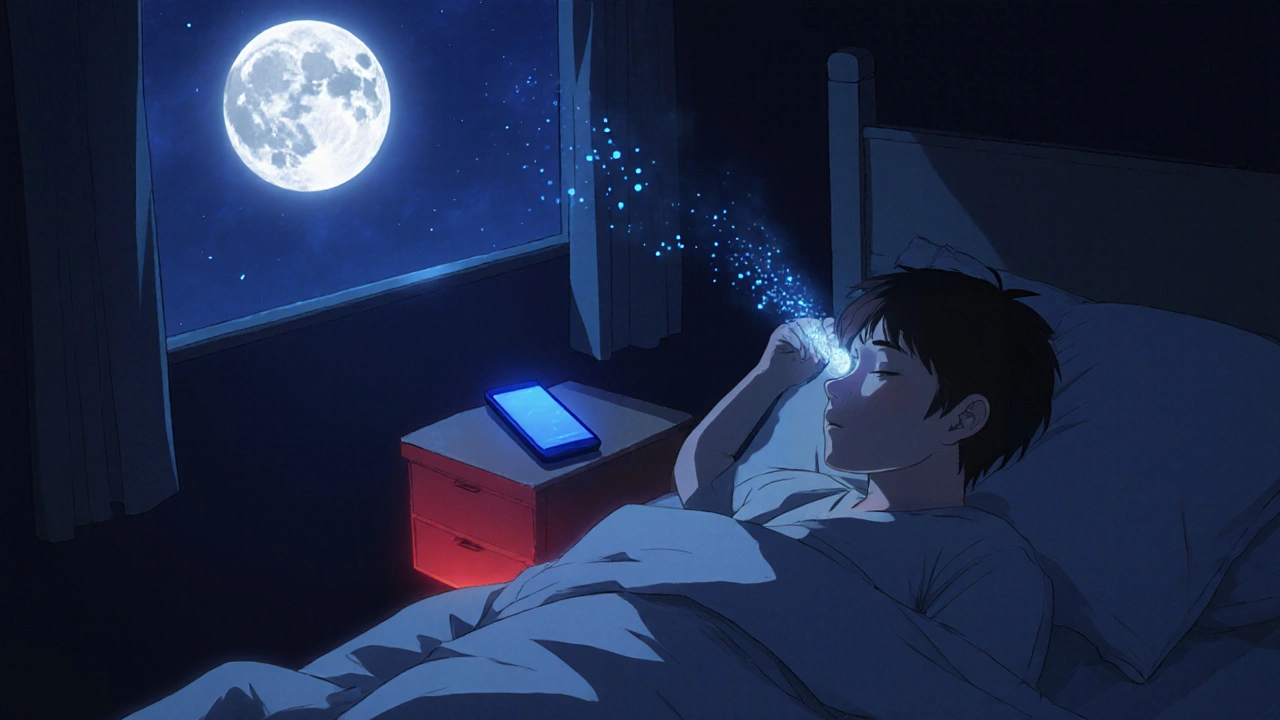
Melatonin isn't a sleeping pill - it's a circadian signal. Learn how low doses taken at the right time can fix jet lag and delayed sleep, why high doses backfire, and what the science really says about effectiveness.