
Serotonin: What It Does, How Drugs Affect It, and What You Need to Know
When you hear serotonin, a neurotransmitter that helps regulate mood, sleep, and digestion. Also known as 5-hydroxytryptamine, it’s one of the body’s most important chemical messengers. Too little can leave you feeling down or anxious. Too much? That’s when things get dangerous.
Many common medications boost serotonin levels — antidepressants like SSRIs, certain painkillers like tramadol, even some cold medicines like dextromethorphan. But when you mix them, or add supplements like St. John’s wort or tryptophan, serotonin can spike fast. This isn’t just a side effect — it’s serotonin syndrome, a life-threatening condition caused by excess serotonin in the nervous system. Symptoms include confusion, rapid heart rate, high blood pressure, muscle rigidity, and seizures. It can happen in hours. You don’t need to be on multiple drugs to risk it — even a single new medication can push you over the edge if you’re sensitive.
That’s why knowing your meds matters. If you’re taking an antidepressant and your doctor adds a painkiller, ask: "Could this raise my serotonin?" The same goes for OTC cough syrups, migraine pills, or herbal blends. opioids, especially tramadol and meperidine, are common culprits when mixed with SSRIs. Even something as simple as switching from one antidepressant to another can trigger a reaction if the transition isn’t handled right. And it’s not just about pills — some foods and supplements can nudge serotonin up too.
Most people never hear about serotonin syndrome until it’s too late. But it’s preventable. If you’ve ever felt suddenly shaky, sweaty, or mentally foggy after starting a new drug — especially with an antidepressant — that’s not normal. It’s a warning. Your pharmacist can check for risky combinations. Your doctor can adjust doses safely. And if you’re on multiple meds, a simple review could catch a hidden danger before it becomes an emergency.
Below, you’ll find real-world guides on how serotonin interacts with pain meds, antidepressants, and other common treatments. You’ll see exactly which combinations are risky, what symptoms to watch for, and how to talk to your provider about it — no jargon, no guesswork. This isn’t theory. It’s what keeps people out of the ER.
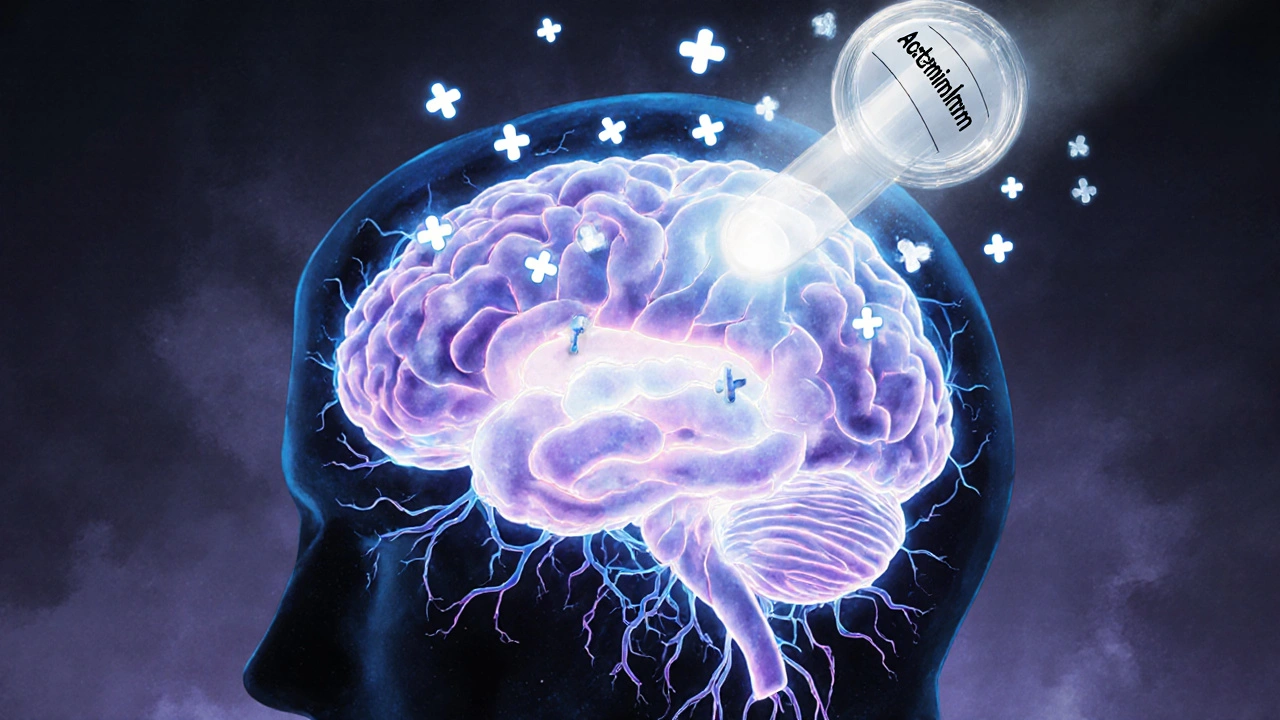
Acetaminophen isn't just a painkiller-it affects serotonin in your brain, altering pain and emotional responses. Learn how this common drug works beyond the label and what it means for your mental health.