
Save on Prescriptions: How to Cut Costs Without Sacrificing Care
When you need to save on prescriptions, it’s not about cutting corners—it’s about working smarter. Many people assume brand-name drugs are the only safe option, but the truth is, generic medications work just as well and often cost 80% less. These aren’t cheap knockoffs; they’re exact chemical copies approved by health regulators worldwide. Generic medications, chemically identical versions of brand-name drugs that are legally sold at lower prices. Also known as generic drugs, they make up nearly 90% of all prescriptions filled in the U.S. and are just as effective, just cheaper. The real trick isn’t finding generics—it’s knowing which ones to choose and how to get them without overpaying.
Pharmacy consultation, a free service offered by most local pharmacies where licensed pharmacists review your meds for safety and cost savings. Also known as medication therapy management, this is one of the most underused tools in healthcare. Pharmacists aren’t just the people who hand out pills—they’re trained to spot drug interactions, suggest cheaper alternatives, and even help you enroll in patient assistance programs. Many people don’t even know this service exists, or they think it’s only for seniors or complex cases. But if you’re taking more than one medication, or if you’re paying out-of-pocket, this is your secret weapon. Combine that with online pharmacy counseling, remote advice from licensed pharmacists via secure messaging or video calls. Also known as telepharmacy services, it lets you get expert help without leaving your home. You can ask about switching from a brand to a generic, check if your insurance covers a cheaper version, or even find out if a drug you’re taking has a new, lower-cost version on the market.
And it’s not just about generics and advice. Affordable medicines, low-cost drug options produced by global manufacturers, especially in countries like India, that supply high-quality generics worldwide. Also known as international generics, they’re used by millions in the U.S. and Europe every day. Indian manufacturers alone produce 20% of the world’s generic drugs, shipping life-saving pills for diabetes, HIV, and heart disease at prices that make U.S. brand-name versions look outrageous. You don’t need to order from overseas to benefit—many U.S. pharmacies already stock these same drugs under different labels. The key is asking for them. Most pharmacists will know which ones are available and can order them for you if they’re not on the shelf.
There’s also a psychological factor: some people think generics don’t work as well. But science shows it’s not the medicine—it’s the expectation. If you believe the blue pill is better than the white one, your brain might make you feel it. That’s the placebo effect in action. The chemistry? Identical. The cost? Not even close. That’s why understanding how these drugs really work helps you make smarter choices—and save hundreds, sometimes thousands, a year.
What you’ll find below are real, practical stories from people who’ve cut their drug bills dramatically—not by skipping meds, but by switching smartly. From how to use secure messaging to ask your pharmacist about cheaper options, to why Indian-made generics are safe and widely trusted, to how melatonin or statins can be bought for pennies if you know where to look. These aren’t theoretical tips. These are the exact strategies people are using right now to afford their prescriptions without sacrificing safety or effectiveness. You don’t need a miracle. You just need to know where to look.
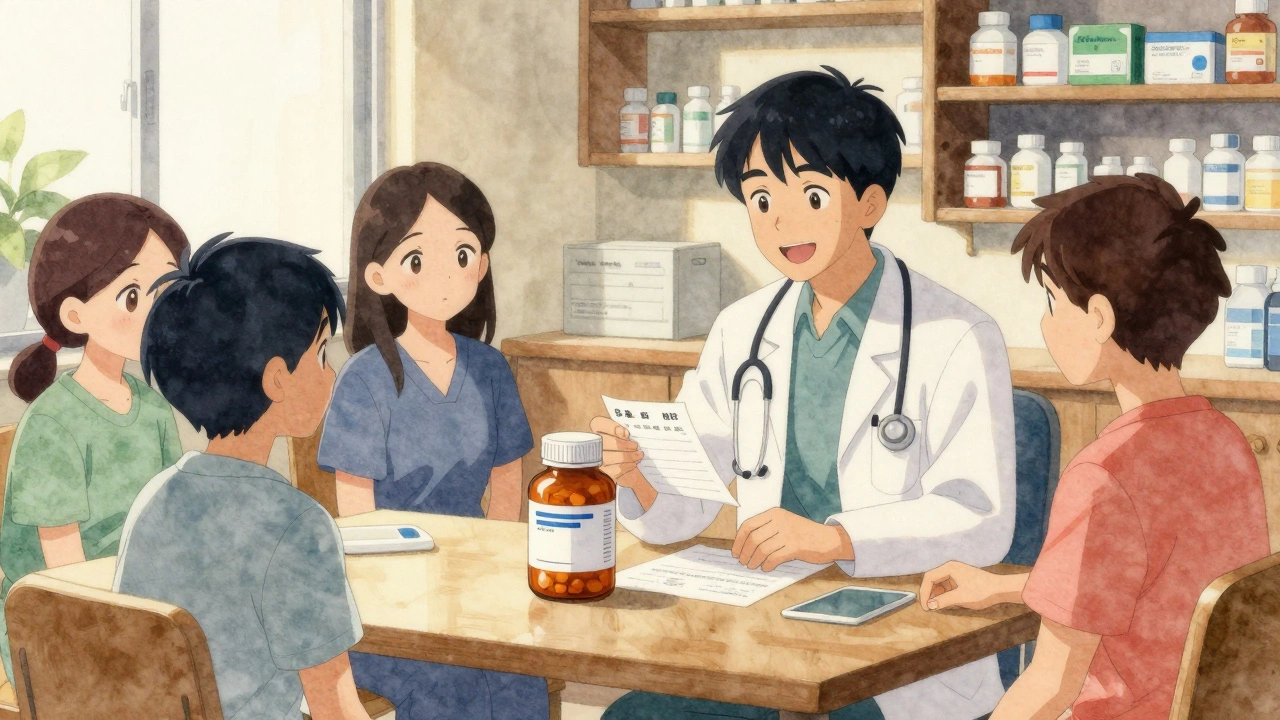
Learn how to ask your doctor about generic alternatives to save money on prescriptions without sacrificing effectiveness. Discover when generics work, when they don't, and how to start the conversation.