
Saturated Fat: What It Is, How It Affects You, and What the Science Really Says
When you hear saturated fat, a type of dietary fat with no double bonds between carbon molecules, commonly found in animal products and tropical oils. Also known as saturated fatty acids, it's been labeled as the bad guy in heart disease for decades—but the story is more complicated than that. Saturated fat isn’t poison. It’s not magic. It’s just one part of what you eat, and its effect on your body depends on what else is on your plate.
It shows up in butter, cheese, coconut oil, fatty cuts of meat, and baked goods. Your liver uses it to make cholesterol, a waxy substance your body needs to build cells and make hormones, and that’s where things get tricky. Too much saturated fat can raise LDL cholesterol—the "bad" kind—in some people, which may increase plaque buildup in arteries. But not everyone reacts the same way. Genetics, activity levels, and what you replace saturated fat with matter just as much. Replacing it with refined carbs? That’s worse. Replacing it with olive oil or nuts? That’s better.
heart health, the overall condition of your cardiovascular system, including arteries, heart muscle, and blood flow isn’t decided by one nutrient alone. It’s shaped by your whole diet, sleep, stress, and movement. Studies show that people who eat full-fat dairy or red meat don’t always have higher heart disease rates—especially when they’re active and avoid sugar and processed foods. The real problem? When saturated fat comes wrapped in fried snacks, sugary pastries, or fast food. That’s the combo that harms you—not the fat by itself.
And then there’s blood lipids, the fats and cholesterol circulating in your bloodstream, including triglycerides and HDL/LDL cholesterol. These numbers don’t tell the whole story. A high LDL might be harmless if the particles are large and fluffy. A low LDL might be risky if your HDL is low and your triglycerides are sky-high. That’s why doctors now look at more than just one number. Your body doesn’t care about "good" or "bad" fats on a label—it cares about what happens after you eat it.
So what do you do? Don’t panic and cut out everything with butter. Don’t go nuts and eat a stick of coconut oil every day. Pay attention to the whole food. Is it processed? Is it loaded with sugar? Is it replacing something healthier? The posts below show you exactly how saturated fat connects to medications, supplements, and health conditions you might not expect—from statins and cholesterol management to how diet affects drug side effects and even sleep. You’ll find real examples of what works, what doesn’t, and what the science actually says—no fluff, no fear-mongering, just what matters for your health.
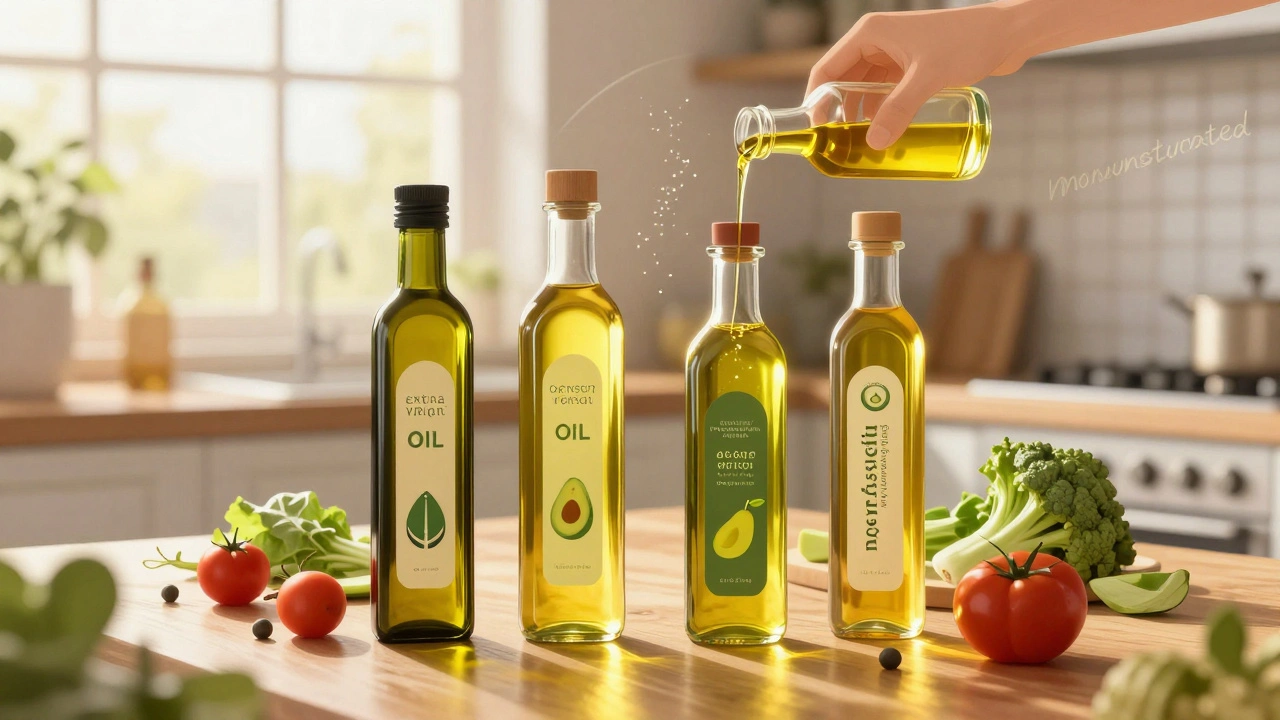
Learn which cooking oils truly support heart health, how to read food labels to avoid hidden fats, and practical swaps that lower your risk of heart disease. Backed by science and real-world use.