
Prescription Safety: Avoid Dangerous Drug Interactions and Side Effects
When you take a prescription, a medication legally issued by a licensed provider to treat a specific condition. Also known as controlled medication, it’s meant to help—not harm. But even the most common drugs can turn dangerous if not used with care. Prescription safety means understanding how your meds work together, spotting red flags early, and knowing where to turn when something feels off.
One of the biggest risks isn’t the drug itself—it’s the mix. Drug interactions, when two or more medications affect each other’s behavior in your body can cause everything from dizziness to heart failure. For example, mixing opioids like tramadol with antidepressants can trigger serotonin syndrome—a rare but life-threatening surge in brain chemicals. Or take therapeutic drug monitoring, the process of measuring drug levels in your blood to stay within safe limits. Drugs like theophylline have a razor-thin line between helping and killing you. Without regular blood tests, you could slip into seizures or arrhythmias without warning. These aren’t edge cases. They’re real, documented dangers that happen more often than you think.
And it’s not just about pills. Your weight, age, liver function, even your coffee habit can change how a drug works. Caffeine with Adderall? That combo can spike your heart rate. Statins might mess with your sleep. Acetaminophen doesn’t just ease pain—it tweaks your brain’s serotonin, which could quietly affect your mood. Meanwhile, older adults on blood thinners face a tough choice: risk a stroke or risk a fall. Evidence shows the stroke risk wins—but only if you’re monitored closely. That’s where pharmacy consultation, a free service where pharmacists review all your meds for hidden risks becomes your secret weapon. Most people don’t know they can walk in and ask, "Does this mix with my other pills?" But they should. A pharmacist caught a deadly interaction in one case just by noticing a patient was taking three different painkillers and an antidepressant. That’s the kind of safety net you’re not paying for—but you absolutely need.
Prescription safety isn’t about fear. It’s about awareness. It’s knowing that your meds are powerful tools, not harmless habits. It’s asking questions before you swallow. It’s checking your labels, tracking side effects, and never assuming "it’s just a pill." Below, you’ll find real stories from people who’ve been there—people who learned the hard way what happens when safety slips through the cracks. And you’ll find clear, no-fluff guides on how to avoid those mistakes yourself.
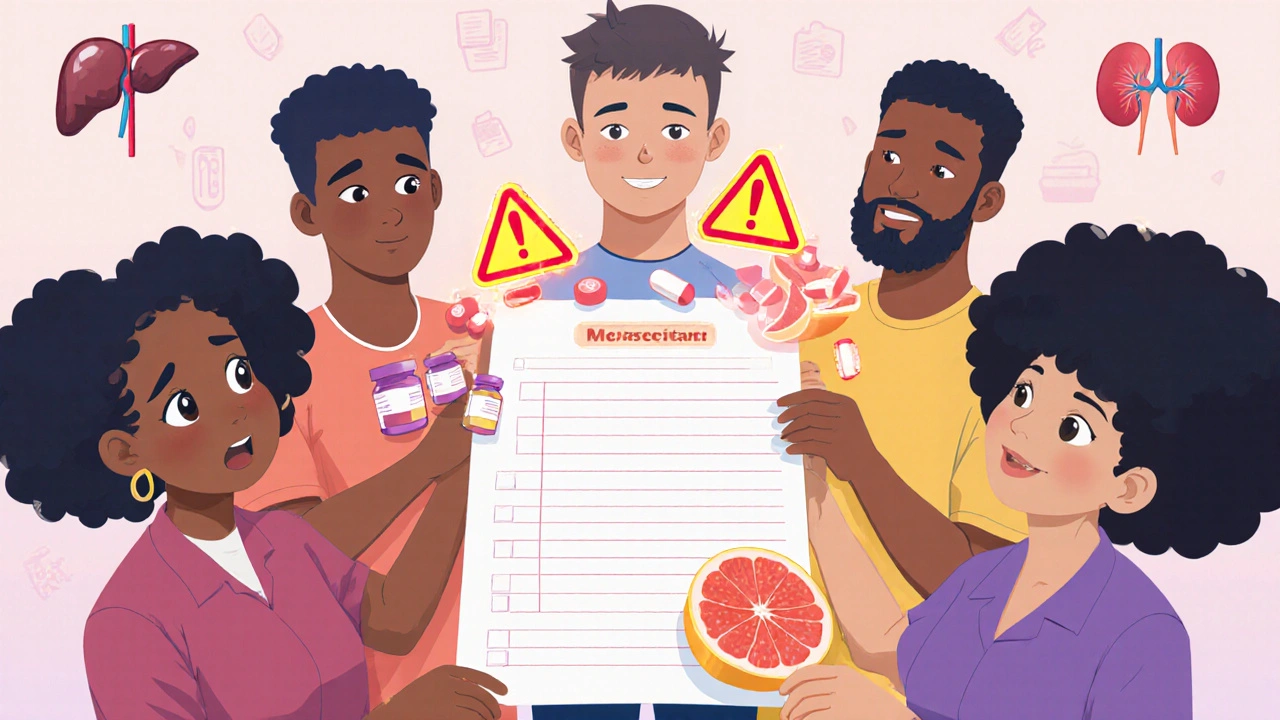
Learn practical steps to check for drug interactions before starting new medications. Avoid dangerous combinations with prescriptions, supplements, and foods using proven strategies and trusted tools.