
Placebo Effect: How Belief Changes Your Body and Why It Matters in Medicine
When you take a sugar pill and feel better, it’s not magic—it’s the placebo effect, a measurable improvement in symptoms caused by belief in a treatment, even when the treatment has no active ingredients. Also known as the placebo response, it’s one of the most powerful, yet misunderstood, forces in modern medicine. This isn’t about being gullible or weak-minded. It’s about your brain wiring itself to expect relief—and then delivering it. Studies show the placebo effect can trigger real changes in brain chemistry, reduce pain signals, lower inflammation, and even alter heart rate and blood pressure. It’s not "all in your head"—it’s your head making real changes in your body.
The placebo-controlled trials, the gold standard for testing new drugs, where one group gets the real medication and another gets an inert pill exist because without them, we couldn’t tell if a drug actually works—or if people just feel better because they think it should. Take antidepressants: in some trials, up to 40% of patients improve on a sugar pill. That doesn’t mean the drug doesn’t work—it means the brain’s own healing mechanisms are incredibly strong. The same goes for painkillers, asthma inhalers, and even knee surgeries. When patients believe they’re getting treatment, their bodies respond. That’s why researchers have to isolate the drug’s effect from the belief effect. Without this, we’d be giving people expensive, risky treatments that only work because they think they should.
The psychological impact on health, how thoughts, expectations, and emotions directly influence physical outcomes is deeper than most doctors admit. A patient who trusts their doctor, feels heard, and believes in the treatment often does better—even if the medicine itself is weak. That’s why pharmacy counseling, clear instructions, and even the color and size of pills matter. Blue pills often feel calmer. Red pills feel stronger. Big pills feel more potent. These aren’t tricks—they’re cues your brain uses to activate healing pathways. And when you track side effects in a symptom diary or ask questions through secure messaging, you’re not just being careful—you’re strengthening your own placebo response by taking control.
What’s fascinating is that the placebo effect isn’t fading. It’s getting stronger. People today expect faster, stronger results. They’ve seen ads, read reviews, and heard stories. That expectation fuels the effect. Even when you know you’re taking a placebo, studies show you can still feel better—if you’re told it works. This isn’t pseudoscience. It’s neuroscience. Your body doesn’t care if the pill is real. It cares if you believe it will help. And that’s why the placebo effect isn’t something to dismiss. It’s something to understand, respect, and even use wisely.
Below, you’ll find real stories and science-backed insights from people who’ve navigated medications, side effects, and treatment decisions. From how melatonin works as a circadian signal to why theophylline needs strict monitoring, these posts show how medicine isn’t just about chemicals—it’s about minds, expectations, and the body’s hidden ability to heal itself. You’ll see how the placebo effect shows up in everything from glaucoma drops to antidepressants—and why knowing about it could help you get better results, no matter what you’re taking.
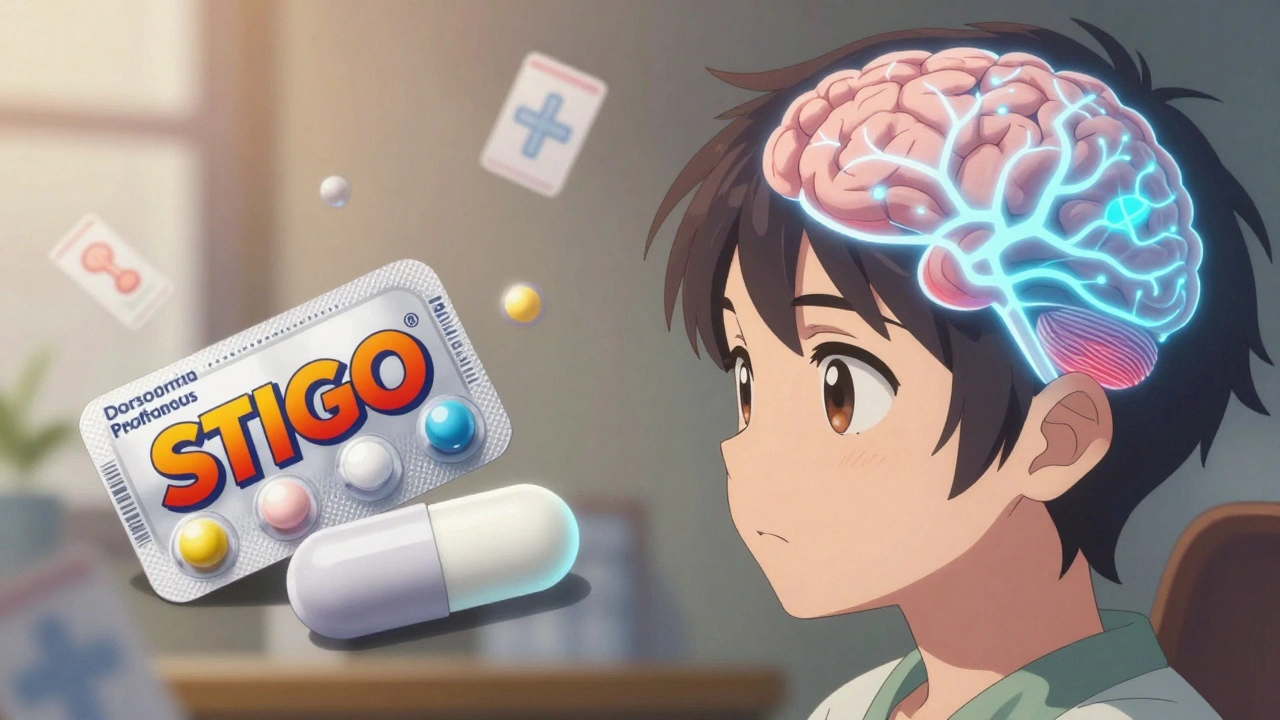
Why do some people feel generics don't work as well as brand-name drugs-even when they're chemically identical? Science shows perception, not chemistry, drives the difference. Explore the placebo and nocebo effects shaping medication outcomes.