
Perception and Health: How Your Mind Shapes Your Medication Experience
When you take a pill, your body isn't the only thing reacting—your perception and health, how your mind interprets illness, treatment, and recovery plays a huge role in whether that pill works. It’s not magic. It’s biology. Studies show that people who believe a medication will help often feel better faster—even if it’s a sugar pill. This isn’t just about feeling optimistic. It’s about real changes in brain chemistry, stress hormones, and even pain pathways. Your expectation isn’t just in your head—it’s in your nerves, your immune response, and how your body absorbs and reacts to drugs.
That’s why two people on the same drug can have totally different experiences. One feels relief; the other gets dizzy and nauseous—not because the drug is inconsistent, but because their perception and health, how they interpret symptoms, side effects, and doctor-patient communication is different. If you think a generic drug is weaker than the brand name, your brain might actually make you feel worse—even if they’re chemically identical. That’s the placebo effect, the measurable improvement in symptoms caused by belief rather than chemical action working in reverse. And it’s not just about pills. If you believe your doctor doesn’t listen, you’re more likely to miss doses, ignore warnings, or stop treatment early. Your mindset affects adherence, which affects outcomes.
It’s not about ignoring science—it’s about using it smarter. When you understand how your thoughts shape your physical response, you can take control. Keep a symptom diary. Ask your pharmacist about side effects before you start a new drug. Use secure messaging to clarify doubts instead of assuming the worst. The medication adherence, how consistently a patient takes their prescribed treatment isn’t just about remembering pills—it’s about trust, clarity, and feeling heard. That’s why posts here cover everything from how to talk to your doctor about generics, to why melatonin only works if you take it at the right time, to how a simple change in posture can reduce joint pain. All of it ties back to one truth: your health isn’t just what’s in the bottle. It’s what’s in your mind, too.
Below, you’ll find real stories and science-backed tips on how medications actually work—not just chemically, but psychologically. From drug-induced hiccups to sleep problems from statins, from saving money on prescriptions to recognizing dangerous interactions, every post here is shaped by the same idea: your perception isn’t separate from your health. It’s part of it.
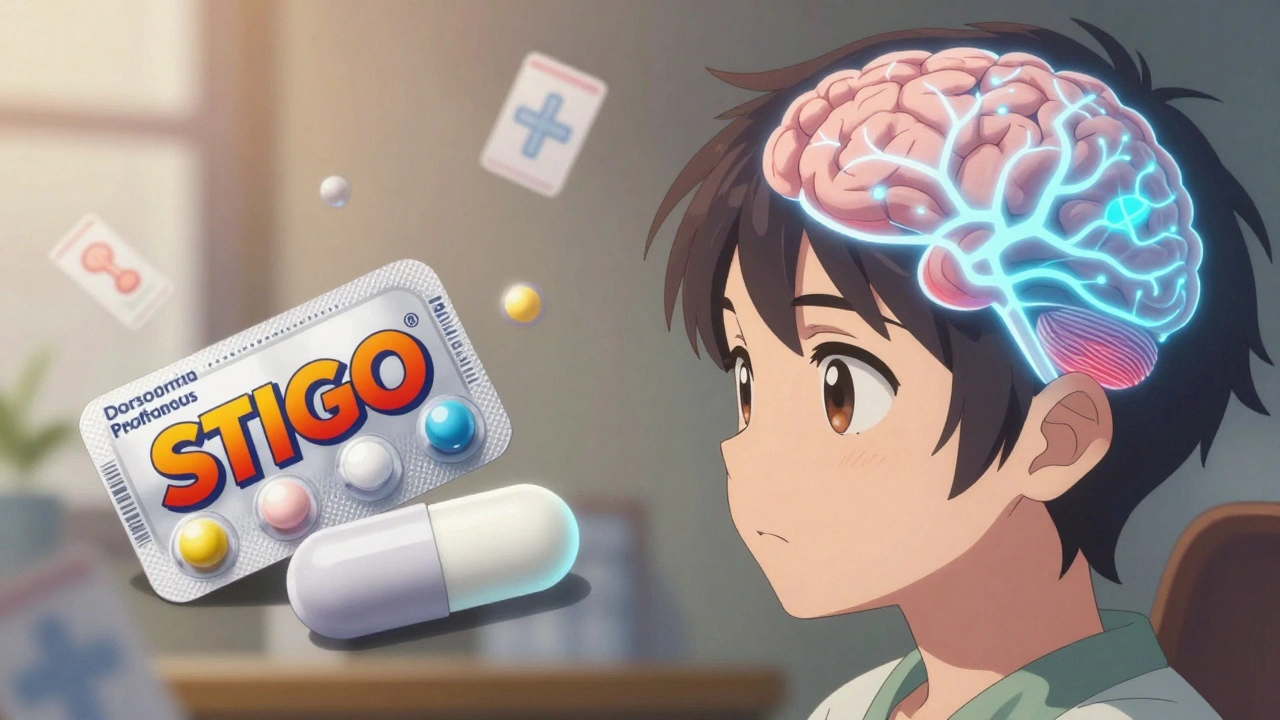
Why do some people feel generics don't work as well as brand-name drugs-even when they're chemically identical? Science shows perception, not chemistry, drives the difference. Explore the placebo and nocebo effects shaping medication outcomes.