
Painkiller: What They Are, How They Work, and Which Ones Are Safe
When you reach for a painkiller, a medication used to reduce or relieve physical discomfort. Also known as analgesic, it works by blocking pain signals in your nerves, brain, or at the site of injury. But not all painkillers are the same. Some are sold over the counter, others need a prescription—and mixing them wrong can be dangerous.
Most common painkillers fall into three groups: acetaminophen, a fever reducer and pain reliever that doesn’t reduce inflammation, NSAIDs, nonsteroidal anti-inflammatory drugs like ibuprofen and naproxen that fight swelling and pain, and opioid pain relief, stronger drugs like tramadol or oxycodone that change how your brain perceives pain. Each has different risks. Acetaminophen can hurt your liver if you take too much. NSAIDs can cause stomach bleeds or raise blood pressure. Opioids carry addiction risk—even when used as directed.
You might not realize it, but painkillers interact with other meds you’re taking. Tramadol, often used for back pain, can trigger serotonin syndrome when mixed with antidepressants. NSAIDs like meloxicam or aceclofenac can make blood thinners more dangerous. Even something as simple as caffeine can make stimulant-based ADHD meds harder on your heart. That’s why checking for drug interactions isn’t optional—it’s essential.
And it’s not just about pills. Some painkillers work better for certain types of pain. For example, NSAIDs help with arthritis or muscle strains because they reduce inflammation. Acetaminophen is gentler on the stomach but won’t touch swelling. Opioids? They’re for severe, short-term pain like after surgery—not for daily headaches or backaches. Using them longer than needed increases risk without adding benefit.
What you’ll find below are real, practical guides on how to use painkillers safely. From comparing Tylenol to ibuprofen, to understanding why Mobic might be better than other NSAIDs for some people, to spotting the hidden dangers of mixing opioids with antidepressants. You’ll also learn how to avoid liver damage from acetaminophen, why some pain meds cause hair loss, and how to use your pharmacist’s free consultation to catch risky combinations before they hurt you.
Whether you’re managing chronic pain, recovering from surgery, or just trying to get through a bad headache without risking your health—this collection gives you the facts you need to choose wisely. No fluff. No marketing. Just what works, what doesn’t, and what could save your life.
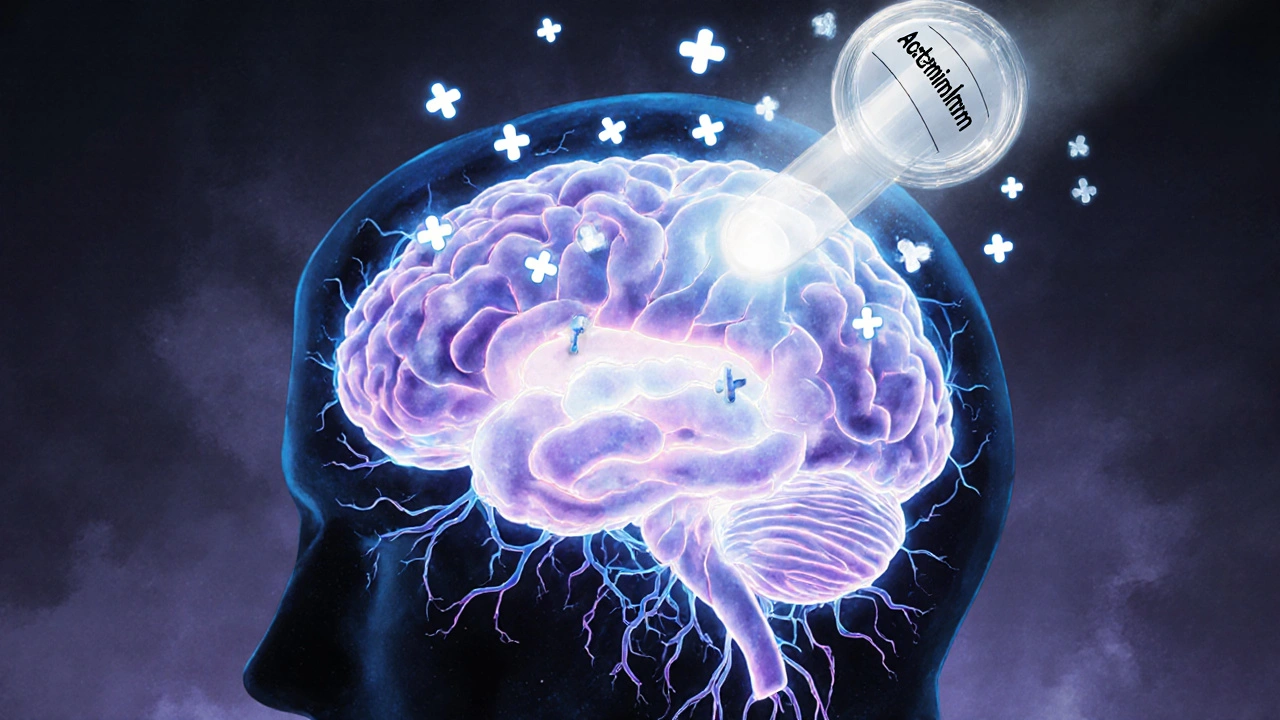
Acetaminophen isn't just a painkiller-it affects serotonin in your brain, altering pain and emotional responses. Learn how this common drug works beyond the label and what it means for your mental health.