
NTI Drugs: What They Are and Why They Require Extra Care
When a medication has a narrow therapeutic index, a small difference between a safe dose and a toxic one. Also known as NTI drugs, these medications leave little room for error—too little and they don’t work; too much and they can harm you. Think of them like driving a sports car with no speedometer: even a tiny misstep can lead to disaster. Drugs like warfarin, levothyroxine, phenytoin, cyclosporine, and lithium fall into this category. They’re essential for treating serious conditions—blood clots, thyroid disorders, seizures, organ rejection, and depression—but they demand precision.
NTI drugs aren’t just sensitive to dose—they’re also easily affected by other meds, foods, and even your liver or kidney function. For example, switching from one brand of levothyroxine to another—even if the milligram number is the same—can throw your thyroid levels off. Mixing warfarin with certain antibiotics or even grapefruit juice can spike your bleeding risk. These aren’t hypothetical risks. Real people end up in the ER because a pharmacy filled their prescription with a generic version without checking their INR levels. That’s why pharmacists often flag NTI drugs with extra warnings and why your doctor may require frequent blood tests when you’re on them.
It’s not just about the drug itself—it’s about how your body handles it. Older adults, people with liver or kidney problems, or those taking multiple medications are at higher risk. That’s why tools like drug interaction checkers, systems that scan your full medication list for dangerous combinations matter. Even something as simple as changing your diet or starting a new supplement can shift how your body processes an NTI drug. That’s why talking to your pharmacist isn’t optional—it’s a safety step. They can spot subtle changes in your meds that your doctor might miss, especially when you’re juggling several prescriptions.
There’s no magic fix for NTI drugs. You can’t just take them and forget them. You need to stay involved: know your target levels, track your symptoms, and never skip follow-up tests. If you feel different—more tired, dizzy, shaky, or confused—don’t assume it’s just aging or stress. It could be your NTI drug creeping out of its safe range. The good news? With the right care, these drugs work incredibly well. But they demand respect. The posts below give you real-world guidance on how to manage these medications safely, spot hidden interactions, and avoid common mistakes that put your health at risk.

NTI drugs like levothyroxine and tacrolimus have a tiny window between effective and toxic doses. Switching between generic manufacturers can pose real risks-even when FDA-approved. Here’s what you need to know.
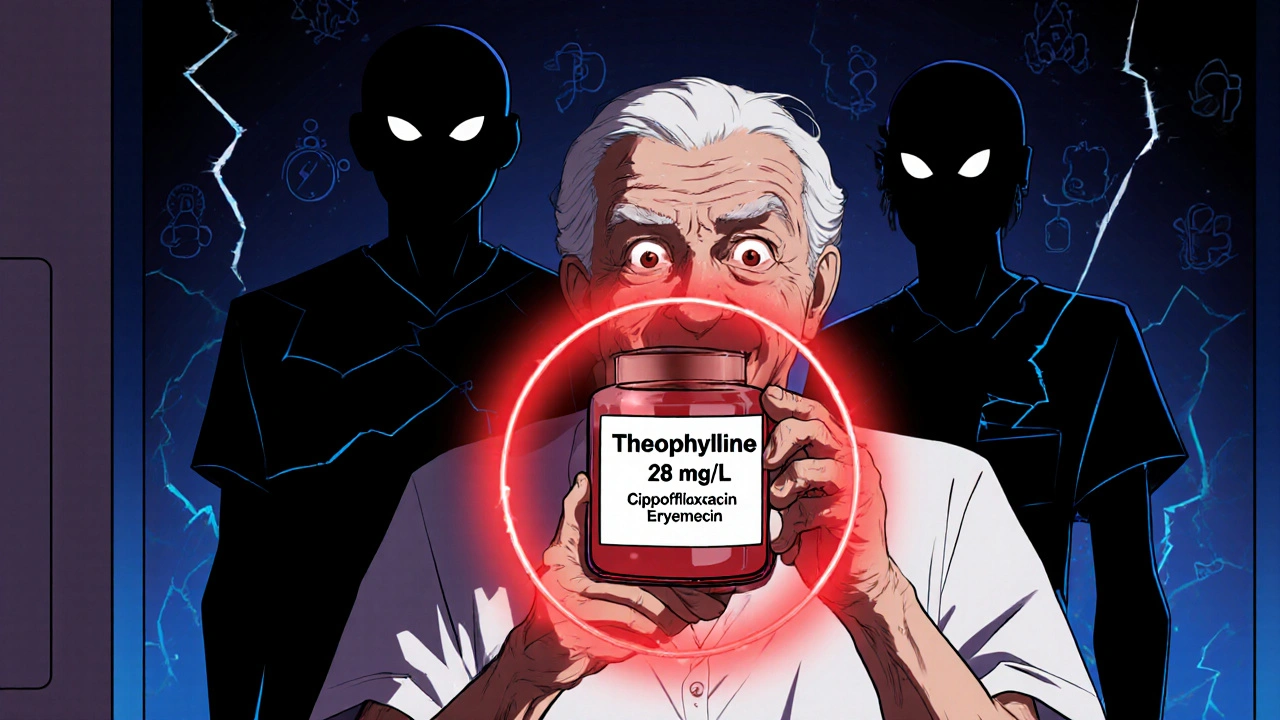
Theophylline has a narrow therapeutic index-tiny margins between effectiveness and deadly toxicity. Regular blood monitoring is essential to avoid seizures, arrhythmias, and death. Learn why this old drug still demands strict oversight.