
Nocebo Effect: When Expectations Make You Feel Worse
When you expect a medicine to make you sick, it often does—even if the pill is just sugar. This is the nocebo effect, the phenomenon where negative beliefs about a treatment trigger real physical symptoms. Also known as the negative placebo effect, it’s not in your head—it’s in your nervous system, your hormones, and your body’s stress response. It’s not rare. Studies show up to 75% of people reporting side effects from placebo pills in clinical trials actually felt worse because they were told the drug might cause headaches, nausea, or fatigue. The brain doesn’t distinguish between real and imagined threats when it comes to pain and discomfort.
The placebo effect, the positive counterpart where belief in a treatment improves symptoms gets all the attention, but the nocebo effect is just as powerful—and often ignored by doctors. If your pharmacist warns you about possible side effects too loudly, or if you scroll through a long list of drug risks online, your body starts preparing to feel those symptoms before you even take the pill. This isn’t weakness. It’s biology. Your brain uses past experiences, stories from friends, and even news headlines to predict what your body should feel. That prediction becomes reality.
It shows up everywhere. People taking statins report muscle pain more often when they know the drug can cause it—even when they’re on placebo. Patients on antidepressants describe dizziness or weight gain because they were warned about it, even if the drug doesn’t cause those issues in most people. The drug side effects, physical reactions caused by medications you read about aren’t always the drug’s fault. Sometimes, they’re your own expectations coming to life.
And it’s not just about pills. The way a treatment is delivered matters. A nurse rushing through instructions, a clinic with cold lighting, a website full of scary warnings—these all feed the nocebo effect. On the flip side, calm communication, clear explanations, and trust in your provider can reduce side effects—even with the same medication.
That’s why keeping a symptom diary isn’t just for tracking real reactions—it helps you spot when your mind is influencing your body. If you notice symptoms only appear after reading about side effects, or if they vanish when you stop worrying, you’re likely seeing the nocebo effect in action.
Below, you’ll find real stories and science-backed guides on how medications affect your body—not just chemically, but psychologically. From how acetaminophen changes brain chemistry to why theophylline needs strict monitoring, these posts show how your expectations, fears, and beliefs shape your health more than you think. You’ll learn how to talk to your pharmacist, interpret side effect lists without panic, and take back control when your mind starts working against you.
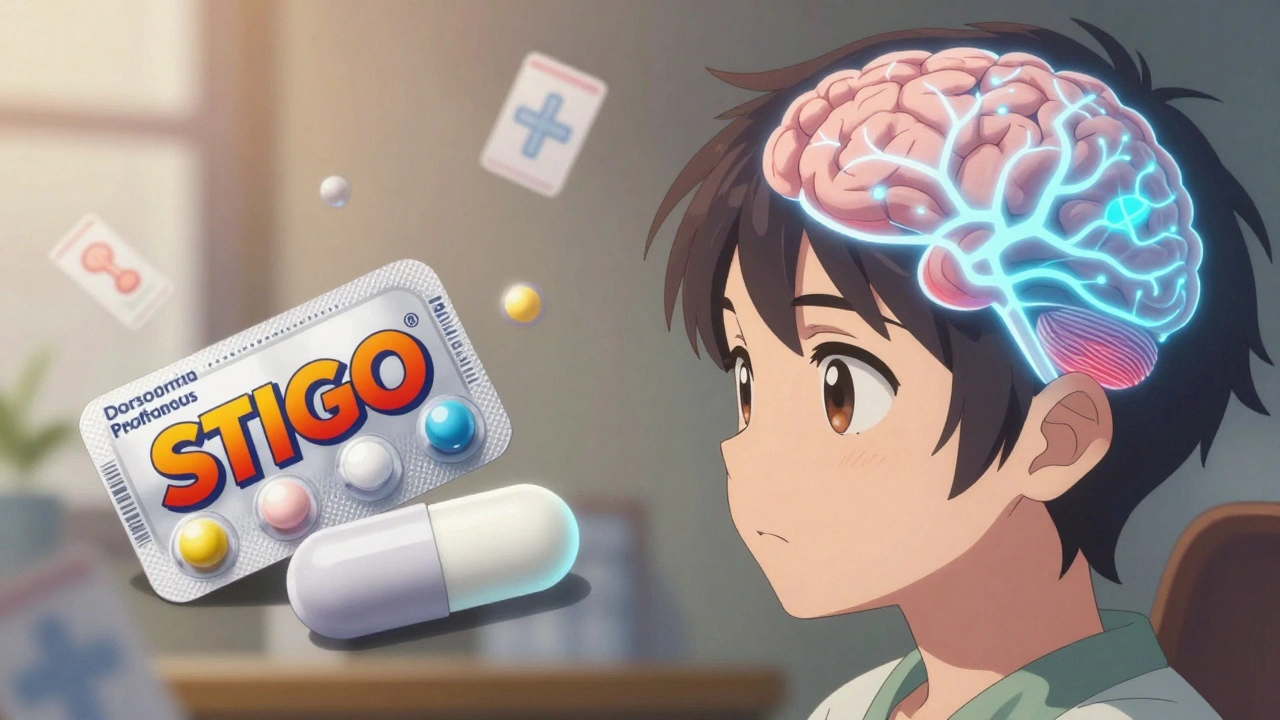
Why do some people feel generics don't work as well as brand-name drugs-even when they're chemically identical? Science shows perception, not chemistry, drives the difference. Explore the placebo and nocebo effects shaping medication outcomes.