
Narrow Therapeutic Index: What It Means and Why It Matters for Your Medications
When a drug has a narrow therapeutic index, the range between an effective dose and a toxic dose is very small. Also known as a narrow therapeutic window, this means even a slight mistake in dosing can lead to serious harm—or even death. It’s not about how strong the drug is, but how little room you have to mess up. Think of it like walking a tightrope: one step too far, and you fall.
Drugs with a narrow therapeutic index aren’t rare—they’re common. Warfarin, lithium, digoxin, phenytoin, and cyclosporine all fall into this category. Each one requires close monitoring because your body’s response can change based on age, liver function, other meds you’re taking, or even what you ate that day. For example, warfarin, used to prevent blood clots, can become too strong if you suddenly eat more greens, or too weak if you start an antibiotic. That’s why regular blood tests aren’t optional—they’re lifesaving.
This isn’t just about doctors and hospitals. If you’re on one of these drugs, you need to know the signs of toxicity. Too much lithium? Tremors, confusion, or nausea. Too much digoxin? Irregular heartbeat, dizziness, or vomiting. These aren’t side effects you can ignore. They’re red flags. And that’s why therapeutic drug monitoring, the process of measuring drug levels in your blood to ensure they stay in the safe zone exists. It’s not magic—it’s math, science, and careful tracking.
What makes this even trickier is that many of these drugs interact with other medications you might be taking. A common painkiller, an antibiotic, or even a herbal supplement can throw your levels off balance. That’s why checking for drug interactions, how one medication affects another in your body isn’t just a good idea—it’s critical. Your pharmacist can help. Your doctor needs to know everything you’re taking. And you need to speak up if you feel different.
There’s no way around it: drugs with a narrow therapeutic index demand more attention. But that doesn’t mean they’re dangerous if handled right. With the right monitoring, clear communication, and a little vigilance, they can be used safely—even effectively. The key is understanding that this isn’t like taking a daily vitamin. This is precision medicine. One pill, one dose, one moment can make all the difference.
Below, you’ll find real guides on how to spot dangerous interactions, manage medications safely, and recognize when something’s off. These aren’t theory pieces—they’re practical tools written by people who’ve seen what happens when things go wrong. Whether you’re on one of these drugs yourself or caring for someone who is, this collection will help you stay ahead of the risks.
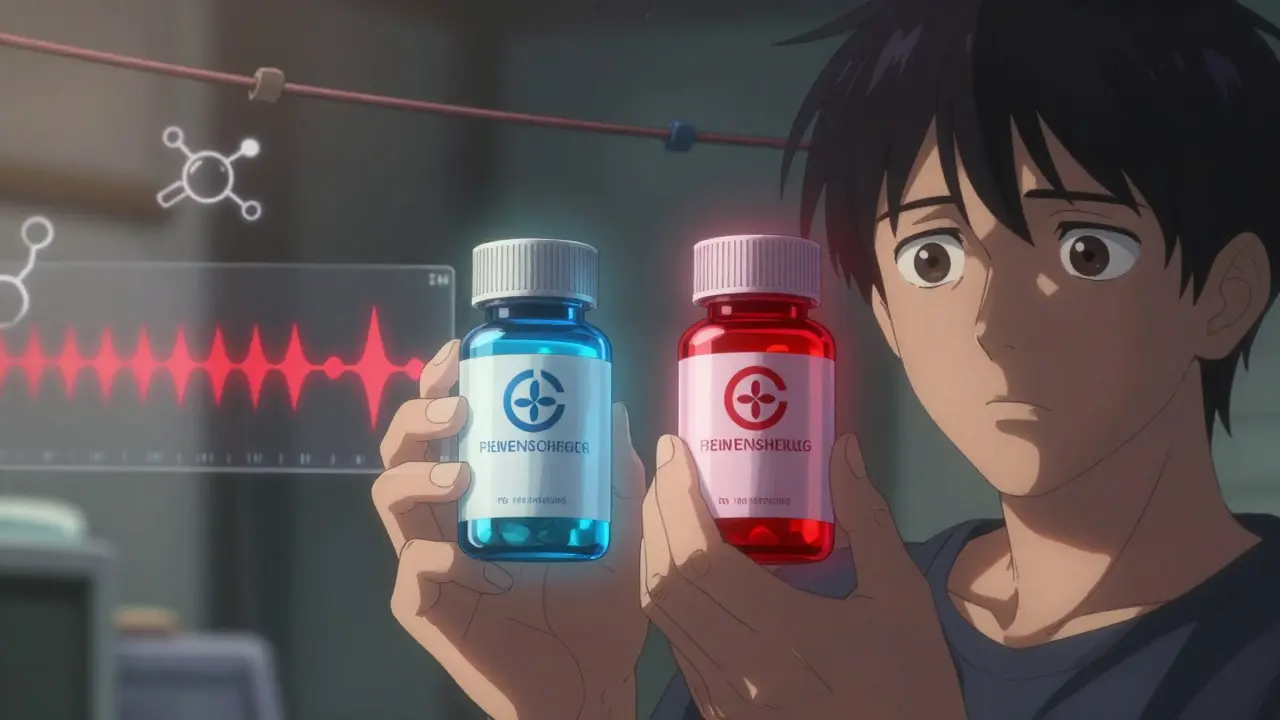
NTI drugs like levothyroxine and tacrolimus have a tiny window between effective and toxic doses. Switching between generic manufacturers can pose real risks-even when FDA-approved. Here’s what you need to know.
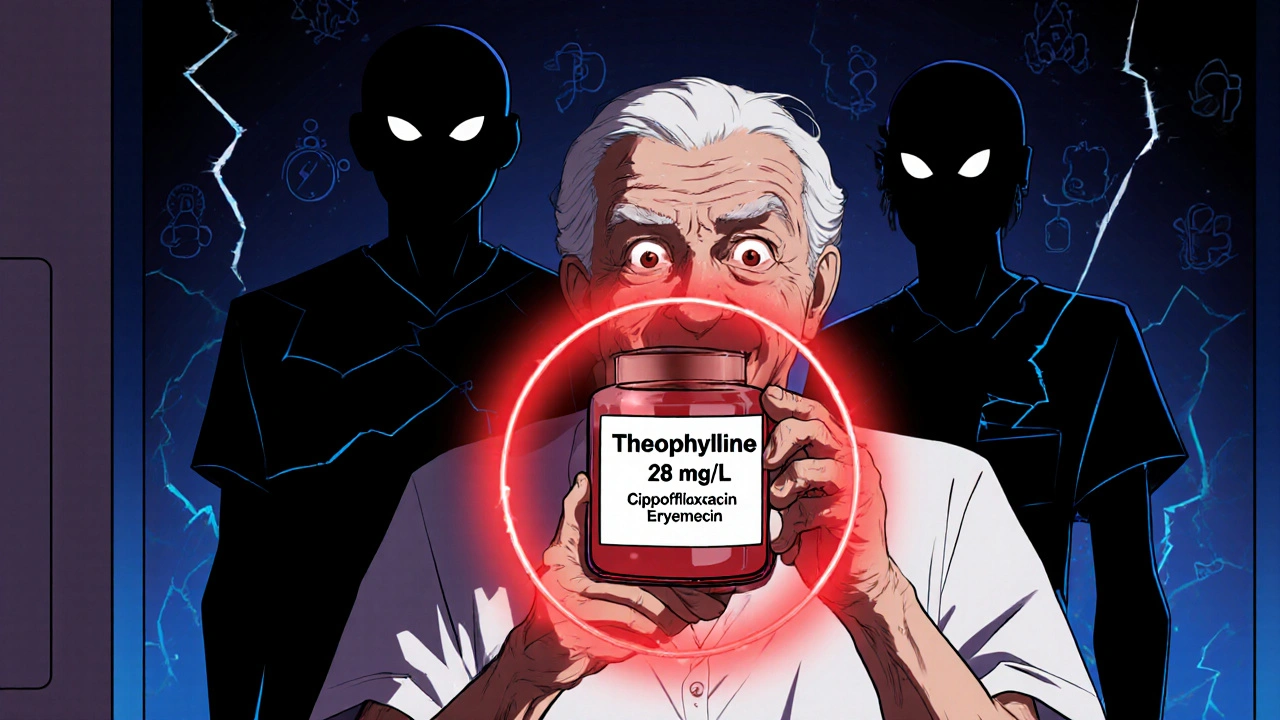
Theophylline has a narrow therapeutic index-tiny margins between effectiveness and deadly toxicity. Regular blood monitoring is essential to avoid seizures, arrhythmias, and death. Learn why this old drug still demands strict oversight.