
Medication-Induced Hiccups: Causes, Common Drugs, and What to Do
When hiccups won’t stop, it’s easy to blame dinner or soda—but sometimes, the real culprit is a medication-induced hiccups, a side effect caused by certain drugs disrupting the nerves that control the diaphragm. Also known as drug-induced hiccups, this isn’t just a nuisance; it can signal an interaction, overdose, or neurological effect you didn’t expect.
These hiccups aren’t rare. They show up with drugs like benzodiazepines, commonly prescribed for anxiety or sleep, which can affect brainstem signaling, or steroids, used for inflammation but known to trigger persistent hiccups in some users. Even opioids, including codeine and morphine, can irritate the vagus nerve and lead to uncontrollable spasms. If you started a new pill and your hiccups began within days, that’s not a coincidence. It’s a red flag. And it’s not just about discomfort—long-lasting hiccups can lead to exhaustion, dehydration, or even weight loss if you can’t eat or sleep properly.
What makes this tricky is that most people don’t connect hiccups to meds. Doctors rarely ask about them unless you bring it up. But if you’re on any of these drugs—antidepressants, chemotherapy agents, or even common painkillers like acetaminophen in high doses—you should pay attention. A symptom diary, a simple log of when hiccups start, how long they last, and what meds you took that day can turn guesswork into clear evidence. That’s the kind of detail that helps your pharmacist or doctor spot patterns fast.
Some cases resolve when you stop the drug. Others need a switch—maybe to a different class of medication with fewer neurological side effects. A few people find relief with simple fixes like holding their breath, sipping ice water, or even swallowing a spoonful of sugar. But if your hiccups last more than 48 hours, or come with vomiting, chest pain, or trouble breathing, it’s not just a side effect—it’s a signal to act.
Below, you’ll find real stories and practical advice from people who’ve dealt with this exact problem. Some found answers by talking to their pharmacist. Others discovered their hiccups were tied to a drug they didn’t even think could cause them. Whether you’re trying to figure out why this is happening or just want to know what to ask your doctor next, the posts here give you the facts without the fluff.
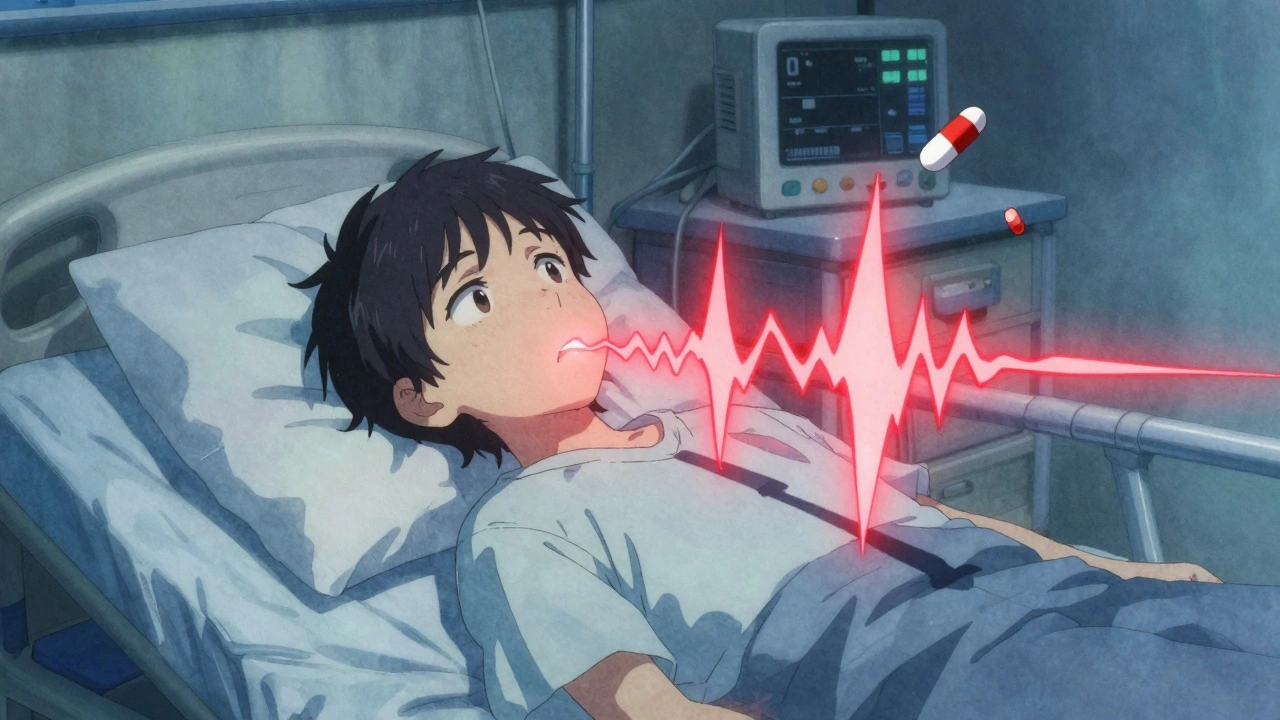
Medication-induced hiccups are more common than you think, especially with steroids and opioids. Learn the causes, proven remedies like sugar and baclofen, and how to talk to your doctor when hiccups won’t stop.