
HIPAA-Compliant Messaging: Secure Ways to Talk About Health Online
When you send a message about your meds, symptoms, or test results to your doctor or pharmacist, it’s not just a text—it’s protected health information, or PHI, any personally identifiable health data that can be linked to you, including diagnoses, prescriptions, and lab results. Also known as protected health information, it’s legally shielded under HIPAA-compliant messaging, a set of rules requiring encrypted, auditable communication platforms for sharing health data between providers and patients. This isn’t optional—it’s the law.
Most consumer apps like iMessage, WhatsApp, or regular SMS don’t meet HIPAA standards. They might feel convenient, but they leave your data exposed. True HIPAA-compliant messaging means end-to-end encryption, user authentication, audit logs, and business associate agreements. It’s what pharmacies and clinics use when they send you refill reminders, lab results, or appointment alerts through secure portals. You’ll see it in apps like Doximity, TigerConnect, or secure patient portals built into your provider’s system. These aren’t just fancy tools—they’re the only way to legally share things like your diabetes numbers, mental health notes, or cancer treatment plans without risking a breach.
Why does this matter? Because a single unsecured text can lead to identity theft, insurance fraud, or even discrimination. Imagine someone seeing you’re on HIV meds or antidepressants because a message was intercepted. That’s not hypothetical—it’s happened. HIPAA-compliant systems prevent that by locking down every message, tracking who accessed it, and automatically deleting data after a set time. Even your pharmacy’s consultation service needs this if they’re texting you about generic alternatives or drug interactions. It’s not about being paranoid—it’s about control. You have a right to know your health data isn’t floating around on unsecured servers.
And it’s not just for doctors. If you’re using telehealth, managing chronic conditions, or coordinating care with multiple providers, you need to know which tools are safe. Look for signs: Does the platform require login? Does it say "HIPAA-compliant" on their website with details? Does it prevent screenshots or forwarding? If they just say "we use secure messaging" without explaining how, walk away. Real compliance isn’t a buzzword—it’s built into the system.
Below, you’ll find real guides on how to protect your medication safety, spot risky drug interactions, and use pharmacy services without compromising your privacy. These aren’t theoretical tips—they’re practical steps from people who’ve been there. Whether you’re tracking side effects, comparing ED meds, or checking your CPAP pressure, your health data deserves real protection. Don’t settle for convenience. Demand security.
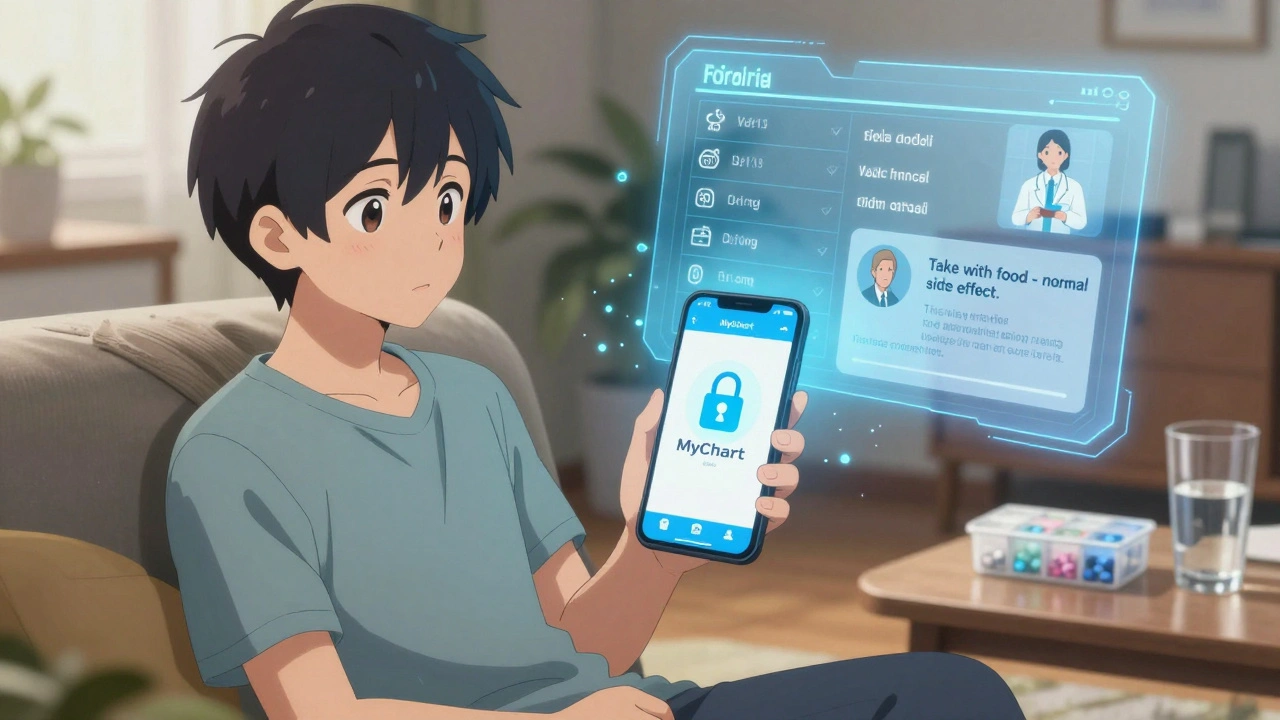
Learn how to use HIPAA-compliant secure messaging to ask medication questions safely and effectively. Get step-by-step guidance on using MyChart, avoiding common mistakes, and getting faster responses from your care team.