
Generic Drugs: What They Are, Why They Work, and How to Use Them Safely
When you hear generic drugs, pharmaceutical products that contain the same active ingredients as brand-name drugs but are sold under their chemical name. Also known as generic medications, they are the backbone of affordable healthcare worldwide. They’re not cheaper because they’re weaker—they’re cheaper because they don’t carry the marketing and development costs of the original brand. The FDA requires them to work the same way, in the same amount, and with the same safety profile. If your doctor prescribes a generic, you’re getting the exact same treatment—not a downgrade.
Many people worry that generics don’t work as well, but science says otherwise. A 2008 study by the FDA analyzed over 1,000 bioequivalence reports and found no consistent difference in effectiveness between brand-name and generic versions. So why do some patients feel different? It’s often the placebo effect, the psychological impact of believing a medication is more effective because of its brand name or packaging. When people switch from a branded pill to a plain generic, their brain can trick them into thinking it’s less potent—even when the chemistry is identical. That’s why online pharmacy counseling, a service where licensed pharmacists help patients understand their medications remotely. can make all the difference. A quick chat with a pharmacist can clear up fears, explain why generics are safe, and even help you find the lowest price.
Behind every generic drug is a global network of manufacturers. Indian generic manufacturers, companies in India that produce low-cost, high-quality medications for export to over 150 countries. supply nearly one in five generic pills used around the world. From HIV meds to insulin, they’ve made life-saving treatments accessible to millions who couldn’t otherwise afford them. These companies follow the same strict standards as U.S. or European labs—just with lower overhead. That’s why you can buy a month’s supply of metformin for $5 instead of $300.
But not all generics are created equal in perception. Some people stick with brand names because they’re used to the shape, color, or size of the pill. Others worry about inactive ingredients—fillers or dyes—that differ between brands. These can matter for people with allergies or sensitivities, which is why checking with your pharmacist matters. You can ask: "Is this the same as what I took before?" or "Are there any additives I should avoid?"
And here’s something most don’t realize: switching to generics doesn’t just save you money—it helps the whole system. Every dollar saved on a generic drug means more people can get treated. It’s why insurers push for them, why governments mandate them, and why your doctor likely suggests them first.
What you’ll find below is a collection of real stories and science-backed guides about how generics affect your health—from how they help with sleep disorders and heart conditions, to why some people feel they don’t work, and how to talk to your pharmacist about switching safely. Whether you’re managing diabetes, high blood pressure, depression, or erectile dysfunction, there’s a guide here that speaks directly to your situation. No fluff. No marketing. Just what you need to know to make smart, confident choices about your meds.

Proving bioequivalence for complex generics is one of the toughest challenges in pharma. Unlike simple pills, these drugs act locally - in the lungs, skin, or eyes - where traditional blood tests fail. Learn why only 10-15% make it to market.
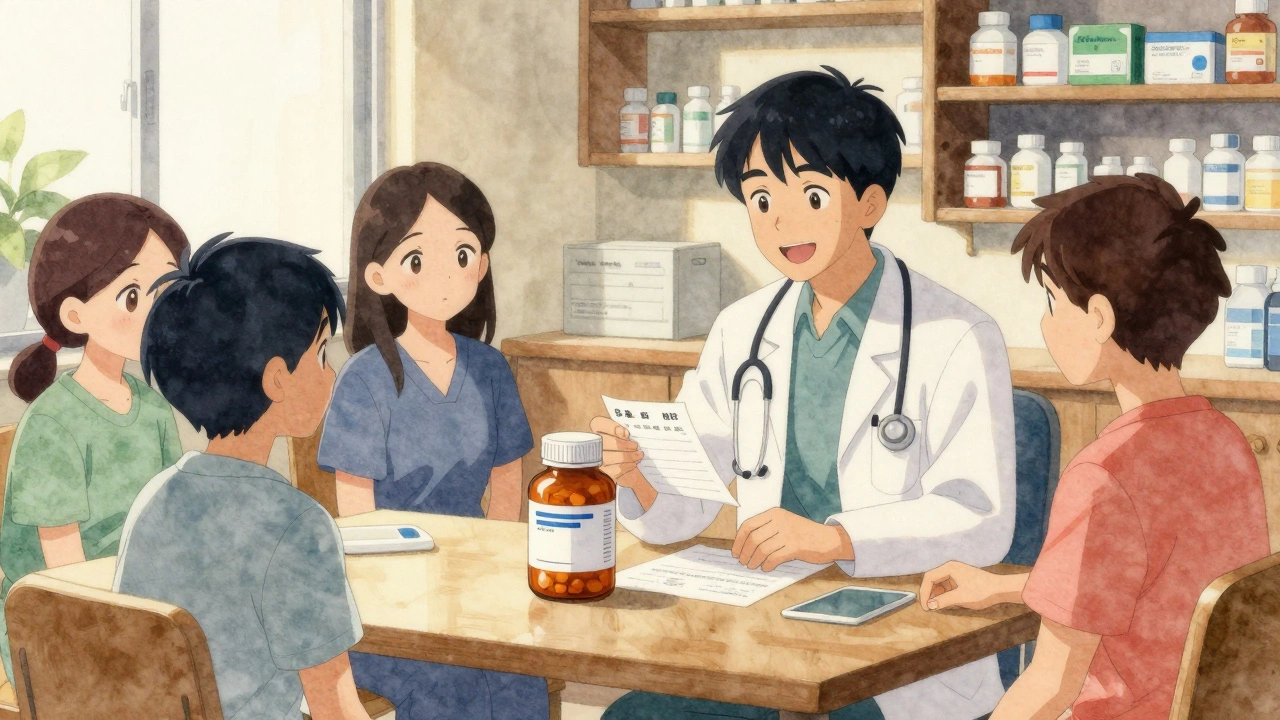
Learn how to ask your doctor about generic alternatives to save money on prescriptions without sacrificing effectiveness. Discover when generics work, when they don't, and how to start the conversation.