
Drug Side Effects: What They Are, Why They Happen, and How to Stay Safe
When you take a medication, you’re not just targeting the problem—you’re affecting your whole body. Drug side effects, unintended physical or mental reactions to medications that aren’t the intended therapeutic outcome. Also known as adverse drug reactions, they range from mild nausea to life-threatening conditions like serotonin syndrome or hemolytic anemia. These aren’t rare mistakes—they’re predictable outcomes built into how drugs work. Even safe, FDA-approved pills can trigger reactions because your body isn’t a simple on/off switch. It’s a complex system where one chemical change can ripple through your brain, liver, heart, or immune system.
Drug interactions, when two or more substances change how each other behaves in your body are one of the biggest hidden dangers. Mixing an opioid like tramadol with an SSRI can cause serotonin syndrome—a condition that spikes your body temperature, triggers seizures, and can kill you if ignored. Medication side effects, the predictable, often documented reactions tied to specific drugs aren’t always listed clearly. Statins might give you vivid dreams. Acetaminophen can quietly lower serotonin in your brain. Theophylline? A tiny overdose can cause arrhythmias. These aren’t flukes—they’re well-documented in medical literature, yet most people never hear about them until they happen.
It’s not about avoiding medicine. It’s about understanding it. Pharmaceutical safety, the practice of using medications in ways that minimize harm while maximizing benefit means asking the right questions: Could this interact with my coffee, my supplement, or my other pills? Is this drug known to cause hair loss, liver stress, or sleep problems? Are there safer alternatives? You don’t need to be a doctor—you just need to know where to look and what to watch for. That’s why this collection brings together real, practical guides on spotting dangerous reactions, checking interactions before you take a new pill, recognizing early signs of toxicity, and knowing when to call your pharmacist instead of waiting for a crisis.
Below, you’ll find clear, no-fluff breakdowns of how common drugs like statins, antidepressants, antibiotics, and painkillers can affect you—beyond the label. You’ll learn what to do when your hair starts falling out after starting a new medication, why your sleep got weird after switching cholesterol pills, and how to avoid mixing opioids with antidepressants. These aren’t theory pages. They’re field guides written for people who take meds every day and want to stay safe without becoming experts in pharmacology.

Hand and foot swelling can be a side effect of common medications like blood pressure drugs or chemotherapy. Learn when it’s harmless and when it’s a warning sign that needs immediate medical attention.
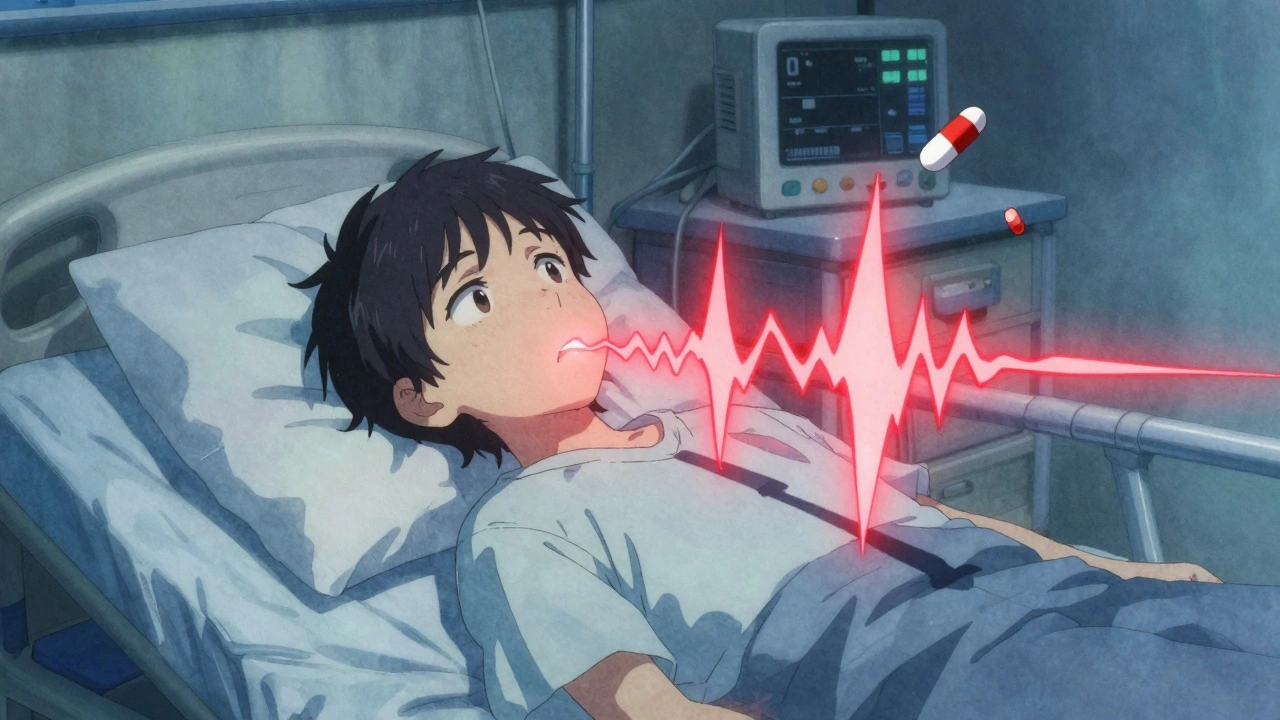
Medication-induced hiccups are more common than you think, especially with steroids and opioids. Learn the causes, proven remedies like sugar and baclofen, and how to talk to your doctor when hiccups won’t stop.

Learn how to keep a symptom diary for suspected drug reactions with step-by-step guidance on what to track, when to record it, and how to use it to help your doctor make better decisions. Avoid misdiagnosis and take control of your medication safety.