
Drug Interactions: What You Need to Know to Stay Safe
When you take more than one medicine, your body doesn’t just see them as separate pills—it sees a chemical conversation that can go right or very wrong. Drug interactions, happen when one medication changes how another works in your body. Also known as medication interactions, they can make a drug stronger, weaker, or trigger dangerous side effects you didn’t sign up for. This isn’t rare. One in five adults takes five or more medications, and many don’t realize their coffee, herbal tea, or over-the-counter painkiller could be mixing dangerously with their prescription.
Therapeutic drug monitoring, the process of checking blood levels of certain drugs to keep them in a safe range is critical for drugs like theophylline, where the difference between healing and poisoning is tiny. Pharmacy consultation, a free service most pharmacies offer to review all your meds can catch these risks before they hurt you. Pharmacists don’t just hand out pills—they spot hidden clashes, like how statins might mess with your sleep, or how caffeine with Adderall can spike your heart rate. Even something as simple as grapefruit juice can turn a routine pill into a hazard.
Some interactions are silent but deadly. Drug-induced hemolytic anemia, a condition where your immune system attacks your own red blood cells because of a medication might show up as fatigue, yellow skin, or dark urine—symptoms many ignore until it’s too late. Others, like how certain antibiotics affect immunocompromised patients or how hormone therapy interacts with seizure meds, need careful planning. You don’t need to memorize every possible combo. You just need to know when to ask.
That’s why every post here is built around real cases: the woman who lost her hair after starting an antidepressant, the senior who avoided a stroke despite fall risks, the man whose vivid dreams started after switching statins. These aren’t theory—they’re lived experiences. You’ll find clear guides on what to watch for, who’s most at risk, and how to talk to your doctor or pharmacist without sounding like you’re second-guessing them. No jargon. No fluff. Just what works, what doesn’t, and what you need to do next.
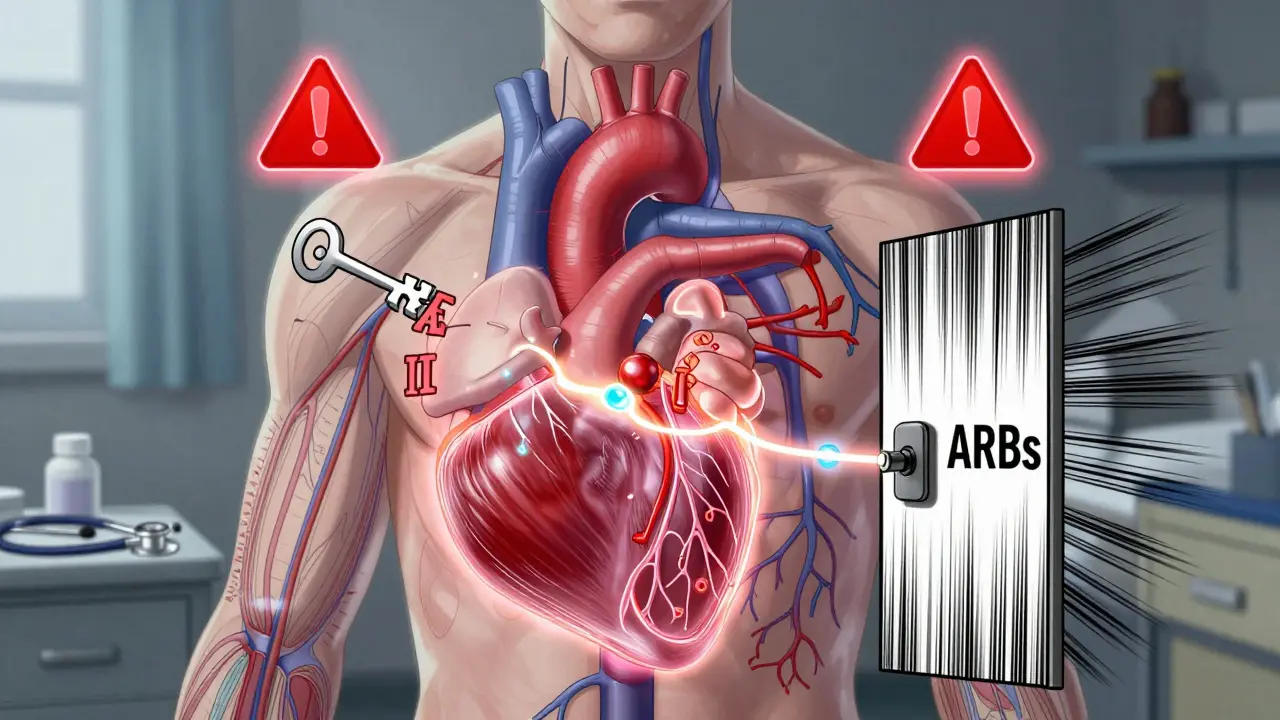
ACE inhibitors and ARBs treat high blood pressure and kidney disease but should not be combined. Learn why mixing them raises risks of kidney injury and high potassium-with safer alternatives and current guidelines.
Many OTC medications and supplements contain hidden, dangerous ingredients that can cause serious health risks or deadly drug interactions. Learn what’s really in your pills and how to protect yourself.
Learn practical steps to check for drug interactions before starting new medications. Avoid dangerous combinations with prescriptions, supplements, and foods using proven strategies and trusted tools.
Opioids like tramadol and dextromethorphan can trigger serotonin syndrome when mixed with antidepressants. Learn which pain meds are safe, which to avoid, and how to recognize the warning signs before it's too late.