
Dexamethasone Hiccups: Why This Steroid Can Cause Persistent Hiccups and What to Do
When you take dexamethasone, a potent corticosteroid used to reduce inflammation and suppress immune responses. Also known as Decadron, it's commonly prescribed for allergies, autoimmune conditions, cancer treatment, and even to reduce brain swelling, you expect relief—not a case of hiccups that won’t quit. But for some people, dexamethasone triggers persistent, disruptive hiccups that last days or even weeks. This isn’t rare. Studies show up to 1 in 10 patients on high-dose dexamethasone report chronic hiccups, especially those getting it for cancer or brain tumors.
The connection isn’t random. Dexamethasone affects the central nervous system, and hiccups are controlled by a reflex arc that involves the vagus nerve, phrenic nerve, and brainstem. When steroids like dexamethasone alter nerve sensitivity or trigger inflammation in the diaphragm area, they can short-circuit this system. It’s not just about dose—people with existing neurological conditions, like multiple sclerosis or brain metastases, are far more likely to develop this side effect. And unlike typical hiccups, these don’t go away with holding your breath or drinking water. They’re drug-induced, and they need drug-targeted fixes.
What helps? First, lowering the dose if possible. But if you’re on dexamethasone for a serious condition, that’s not always safe. That’s where chlorpromazine, an antipsychotic often used off-label to stop stubborn hiccups comes in. It’s the most studied treatment for steroid-induced hiccups. Other options include baclofen, a muscle relaxant that calms the diaphragm, or even simple interventions like acupuncture or gargling ice water. The key is recognizing this isn’t just an annoyance—it’s a sign your body is reacting to the medication, and it needs a different approach.
Some patients stop dexamethasone because of hiccups, but that’s not always the answer. Often, switching to another steroid like prednisone helps. Others find relief by adding a low-dose anti-nausea pill like metoclopramide, which also affects the brain’s hiccup center. What’s clear is that ignoring it won’t make it go away. If hiccups last more than 48 hours after starting dexamethasone, talk to your doctor. Keep a quick log: when they started, how often they happen, what makes them worse. That info helps your team decide fast.
The posts below cover real cases and practical fixes—from how to track drug side effects to what alternatives exist when steroids cause more trouble than they solve. You’ll find advice on managing unexpected reactions, how to ask your doctor about switching meds, and what to do when common remedies fail. This isn’t just about hiccups. It’s about taking control of your treatment when the side effects start to feel worse than the condition you’re treating.
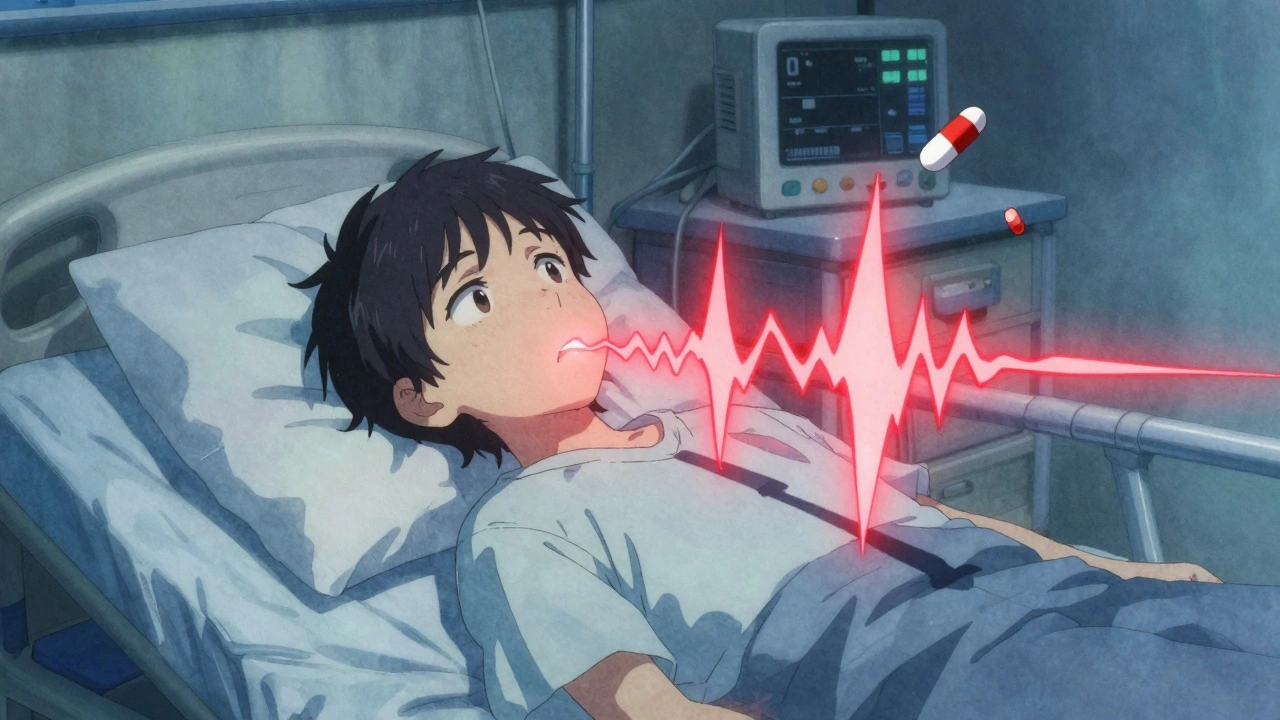
Medication-induced hiccups are more common than you think, especially with steroids and opioids. Learn the causes, proven remedies like sugar and baclofen, and how to talk to your doctor when hiccups won’t stop.