
Brain Chemistry: How Drugs, Mood, and Medications Shape Your Mind
When you feel anxious, happy, or sluggish, it’s not just your thoughts at work—it’s your brain chemistry, the chemical processes in your brain that regulate mood, focus, sleep, and emotion. Also known as neurochemical balance, it’s what makes you feel like yourself—or like you’re floating through fog. Every pill you take, every cup of coffee, even the stress from a bad night’s sleep, changes the levels of chemicals like serotonin, dopamine, and norepinephrine. These aren’t just buzzwords—they’re real substances that send signals between nerve cells, telling your body when to wake up, calm down, or push through pain.
When you mix antidepressants with painkillers like tramadol, you risk serotonin syndrome, a dangerous surge of serotonin that can cause seizures, high fever, and heart rhythm problems. That’s not a rare side effect—it’s a direct result of how these drugs hijack your brain chemistry. Even common meds like statins or ADHD stimulants can shift your sleep, focus, or emotional stability because they tweak the same systems. Your brain doesn’t treat pills as separate from food or caffeine—it sees them all as chemical inputs. That’s why a simple drug interaction can turn a routine dose into a medical emergency.
It’s not just about avoiding bad combos. Understanding brain chemistry helps you see why some meds work for you and not others. Why does one person feel energized on SSRIs while another feels numb? Why does caffeine make your ADHD worse but help someone else focus? It’s because everyone’s baseline brain chemistry is different. The posts below break down real cases: how opioids mess with serotonin, how thyroid failure slows down your entire nervous system, how hair loss from meds ties back to hormonal signals in the brain. You’ll find guides on monitoring drug levels, spotting early signs of toxicity, and using pharmacy consultations to avoid hidden risks. This isn’t theory—it’s what happens in real bodies, every day. If you’re on meds, taking supplements, or just wondering why you feel off, this collection gives you the facts you need to take control.
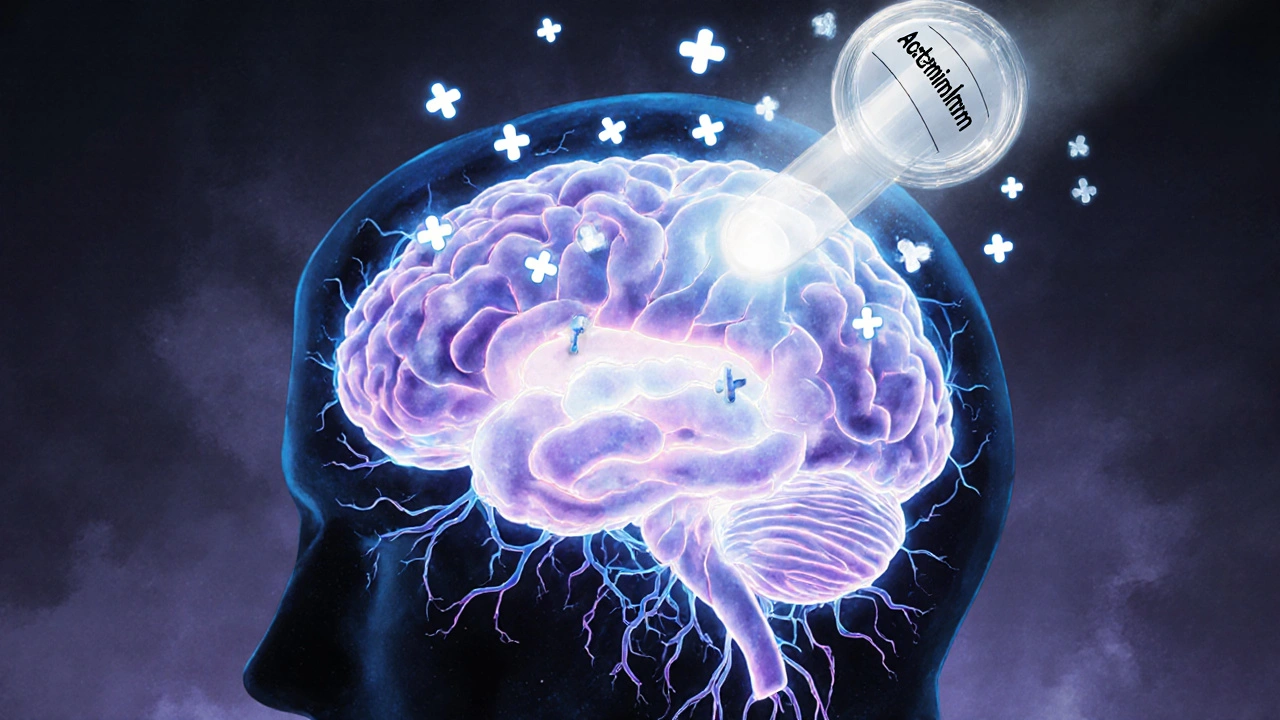
Acetaminophen isn't just a painkiller-it affects serotonin in your brain, altering pain and emotional responses. Learn how this common drug works beyond the label and what it means for your mental health.