
Avoid Bad Drug Combinations: Stop Dangerous Interactions Before They Happen
When you take more than one medication, you’re not just adding effects—you’re risking bad drug combinations, mixes of medicines that can trigger life-threatening reactions. It’s not about taking too many pills. It’s about which ones you take together. A common painkiller like acetaminophen can quietly mess with your brain’s serotonin. A cholesterol drug might make you dream like you’re in a movie. And mixing certain antidepressants with pain meds? That’s how serotonin syndrome, a dangerous surge of brain chemicals that can cause seizures, high fever, and even death starts. These aren’t rare edge cases. They’re preventable mistakes happening every day because people don’t know what to watch for.
Some drugs don’t just clash—they need constant checking. therapeutic drug monitoring, the process of measuring drug levels in your blood to stay in the safe zone isn’t optional for medicines like theophylline. A few points too high, and you’re in the ER. Too low, and your asthma isn’t controlled. Same goes for blood thinners in older adults. Falling doesn’t mean you should skip them—stroke risk beats fall risk. But you need to know the signs of internal bleeding. And if you’re on statins and suddenly can’t sleep or have wild dreams, that’s not just stress. It’s your body reacting. These aren’t side effects you ignore. They’re signals.
You don’t need to memorize every drug interaction. But you do need to know the big ones. Opioids like tramadol with antidepressants? High risk. Caffeine with Adderall? Can spike your heart rate. Even something as simple as herbal supplements can throw off hormone therapy or diabetes meds. The real safety net? Talking to your pharmacist. Most pharmacies offer free consultations—not just for refills, but to check your whole list. They’ll spot the hidden clashes your doctor might miss because they’re focused on one condition at a time. This isn’t about being paranoid. It’s about being smart. Below, you’ll find real cases where people got lucky—or didn’t—because of what they did or didn’t know about their meds. These aren’t theory pieces. They’re lessons from the front lines of medication safety. Read them. Save them. Use them.
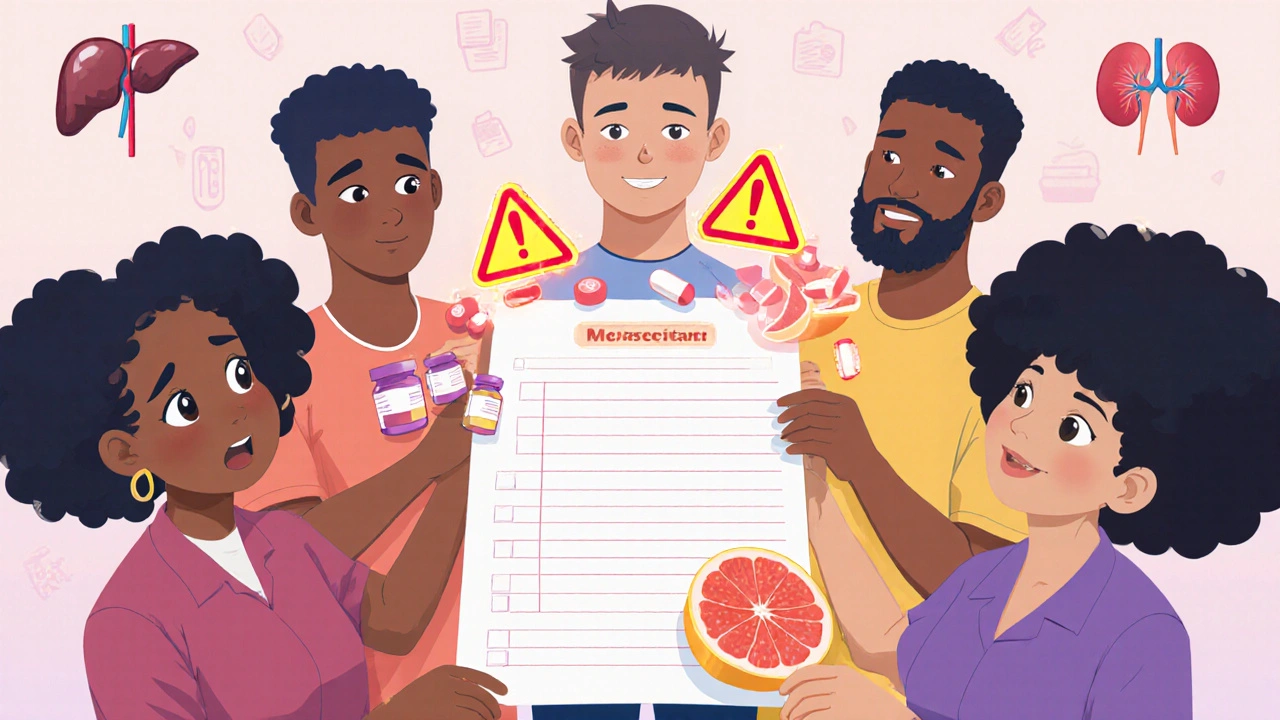
Learn practical steps to check for drug interactions before starting new medications. Avoid dangerous combinations with prescriptions, supplements, and foods using proven strategies and trusted tools.