

Lithium Interaction Risk Estimator
Medical Education ToolThe projected level remains within the standard therapeutic window.
Taking a mood stabilizer like Lithium is a gold standard for managing bipolar disorder, but it comes with a catch: a very narrow therapeutic index. This means the difference between a dose that works and a dose that is toxic is incredibly small. Because the kidneys handle almost all of the drug's elimination, anything that messes with how your kidneys process sodium or water can send your lithium levels skyrocketing. This is where common medications like NSAIDs and Diuretics become dangerous.
The Danger Zone: Understanding the Therapeutic Window
To understand why these interactions happen, you first have to understand the "window." For most people, a therapeutic lithium level sits between 0.6 and 1.2 mmol/L. If that number creeps up to 1.5 mmol/L, you're entering mild toxicity. Once you hit 2.0 mmol/L, it's moderate toxicity, and anything over 2.5 mmol/L is considered severe and potentially life-threatening. Since lithium isn't metabolized by the liver, your kidneys are the only exit door. If that door closes-even slightly-the drug builds up in your bloodstream quickly.
How Diuretics Trick Your Kidneys into Keeping Lithium
Diuretics, often called "water pills," are used to treat high blood pressure or edema. However, they interfere with how the kidneys reabsorb sodium. Since the body treats lithium very similarly to sodium, the kidneys often mistake lithium for sodium and pull it back into the blood instead of flushing it out in urine.
Not all diuretics are created equal. Thiazide diuretics, such as hydrochlorothiazide, are the highest risk. They act on the distal convoluted tubule, and adding them to a lithium regimen can increase serum levels by 25% to 40% within just a few days. In extreme cases, levels have been seen to jump four-fold. Loop diuretics like furosemide are generally safer, though they can still cause a 10% to 25% increase, especially in people whose kidney function (eGFR) is already below 60 mL/min/1.73m².
| Diuretic Type | Example Drug | Avg. Lithium Increase | Risk Level |
|---|---|---|---|
| Thiazides | Hydrochlorothiazide | 25% - 40% | High |
| Loop Diuretics | Furosemide | 10% - 25% | Moderate |
The Silent Risk of Over-the-Counter NSAIDs
The biggest danger with NSAIDs (Non-Steroidal Anti-Inflammatory Drugs) is that many of them are available over-the-counter. You might grab a bottle of ibuprofen for a headache without realizing it's altering your psychiatric medication. These drugs inhibit prostaglandins in the kidney, which reduces the glomerular filtration rate (GFR) by about 10% to 20%. When the filtration rate drops, lithium clearance drops by 15% to 25%.
Some NSAIDs are more aggressive than others. Indomethacin is known to be particularly potent, often raising lithium levels by 30% to 40%. Ibuprofen and naproxen typically cause a 15% to 30% increase. If you absolutely need an anti-inflammatory, celecoxib is often the preferred choice because it has a much weaker interaction profile, typically only causing a 5% to 10% bump in levels.
Comparing the Heavy Hitters: Which Drugs Pose the Most Risk?
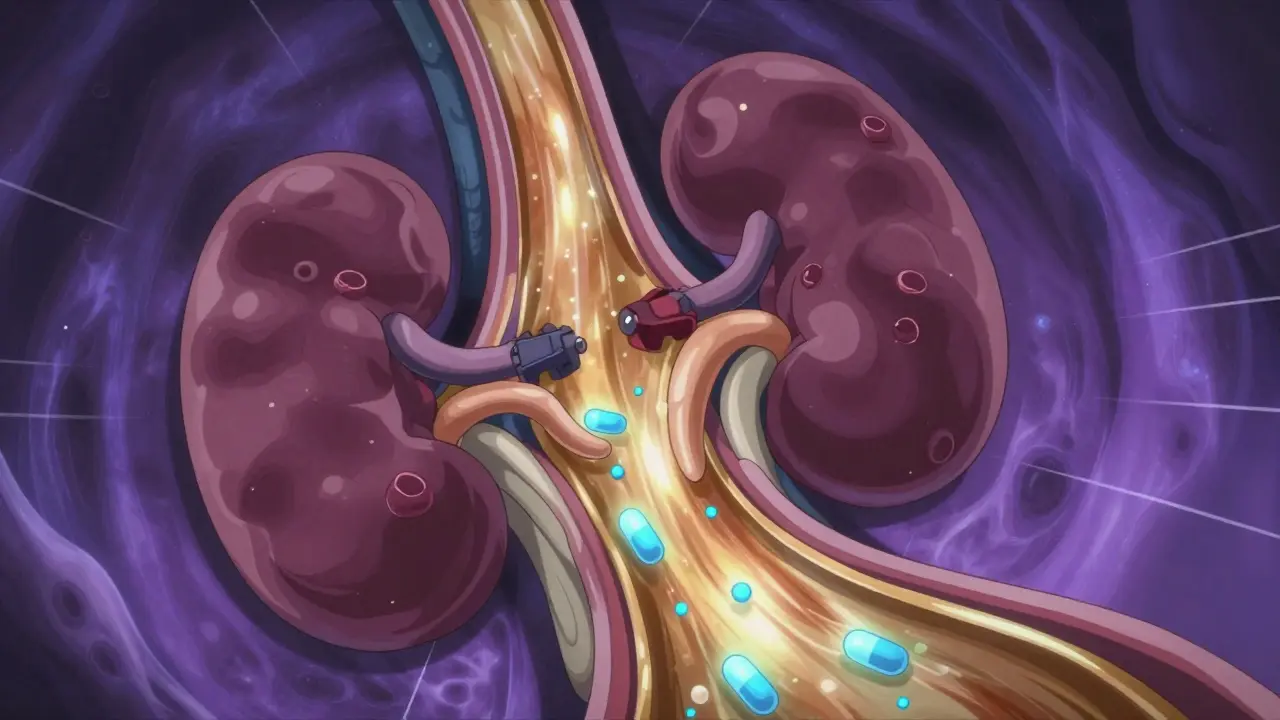
When we look at the broader picture of medications that affect renal hemodynamics, thiazides and certain NSAIDs are the primary culprits. While ACE inhibitors like lisinopril can increase levels by 15% to 25%, the speed and intensity of a thiazide-induced spike are often more acute. It's also worth noting that calcium channel blockers don't usually change the lithium concentration itself, but they can worsen the side effects, making tremors and tinnitus feel much more intense.
| NSAID Entity | Typical Dose | Lithium Level Increase | Recommendation |
|---|---|---|---|
| Indomethacin | 25-50 mg bid | 30% - 40% | Avoid |
| Piroxicam | - | 20% - 30% | Avoid |
| Ibuprofen | 400-600 mg tid | 15% - 30% | Use with caution |
| Naproxen | - | 15% - 25% | Use with caution |
| Celecoxib | - | 5% - 10% | Preferred Alternative |
Real-World Consequences: When the Balance Breaks
These aren't just theoretical numbers. In one documented case, a 72-year-old woman with existing kidney issues started taking an NSAID. Within seven days, her lithium levels jumped from a safe 0.8 mmol/L to a toxic 1.9 mmol/L, leading to a fatal outcome. In another instance, a patient taking 600 mg of ibuprofen three times daily reached a lithium level of 2.8 mmol/L. Even after the blood levels started to drop, they required hemodialysis because lithium clings to cells, and the internal concentrations remain high long after the blood looks "normal."
How to Manage the Risks
If you or a loved one are taking lithium, the goal isn't necessarily to avoid every single other drug, but to monitor them with extreme precision. The American Psychiatric Association suggests that if you start an NSAID, you should have your lithium levels checked every 4 to 5 days. If you start a diuretic, weekly monitoring for the first month is the standard.
Doctors often have to adjust the dose to compensate for these interactions. A 15% to 20% reduction in lithium dose is common when adding an NSAID, and that number jumps to 20% to 25% when adding a thiazide. The most important thing is to never self-medicate with over-the-counter painkillers without running them by your pharmacist or psychiatrist first.
Looking Forward: Better Monitoring
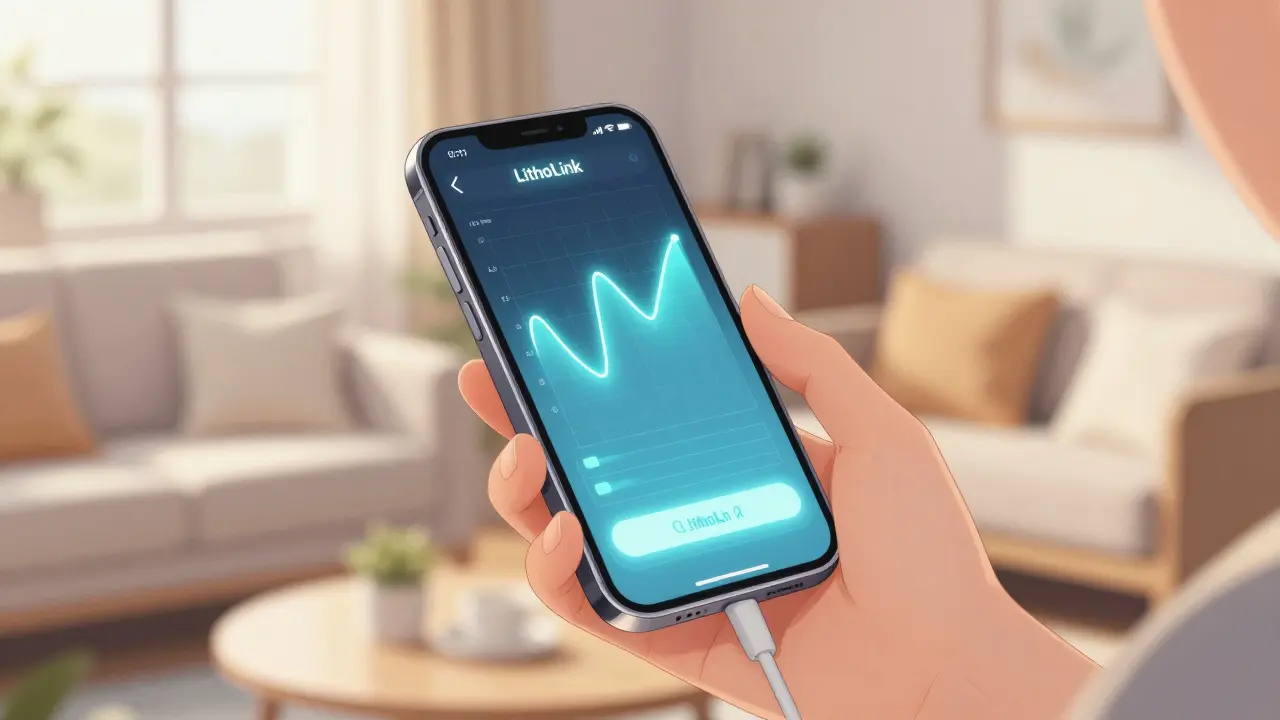
The future of lithium management is moving toward real-time data. New tools like the LithoLink™ smartphone-connected device are allowing patients to test their levels at home and send the data straight to their doctors. There is also research into nano-encapsulated lithium citrate, which aims to make the drug's absorption and excretion less dependent on the kidneys, potentially reducing the risk of these dangerous spikes by up to 40%.
What are the early signs of lithium toxicity?
Early signs usually include a coarse tremor in the hands, nausea, vomiting, and diarrhea. As levels rise, you might experience ataxia (loss of coordination), slurred speech, and mental confusion. If you notice a sudden increase in shakiness after taking a new medication, contact your doctor immediately.
Can I take aspirin instead of ibuprofen?
Generally, yes. Aspirin does not typically interfere with lithium clearance in the same way that NSAIDs like ibuprofen or naproxen do. However, you should always confirm this with your healthcare provider, as aspirin has its own set of side effects and interactions.
Why are thiazides more dangerous than loop diuretics?
Thiazides act on the distal convoluted tubule of the kidney. This is a specific area where about 5% of lithium reabsorption occurs. By altering sodium levels here, thiazides trigger the kidney to reclaim significantly more lithium from the urine, leading to a sharper rise in blood concentration compared to loop diuretics like furosemide.
How often should I have my lithium levels checked?
For stable patients, checking every 3 to 6 months is standard. However, if you change your diet (especially salt intake), start a new medication, or become dehydrated, you need more frequent testing. During the initiation of an interacting drug, tests are often required every 4 to 5 days.
What happens if lithium levels get too high?
Severe toxicity (levels above 2.5 mmol/L) can lead to seizures, coma, and permanent neurological damage. The primary treatment for severe cases is hemodialysis, which mechanically filters the lithium from the blood and helps pull it out of the body's tissues.
Releted Post


Caspian Fothergill
Hello, my name is Caspian Fothergill. I am a pharmaceutical expert with years of experience in the industry. My passion for understanding the intricacies of medication and their effects on various diseases has led me to write extensively on the subject. I strive to help people better understand their medications and how they work to improve overall health. Sharing my knowledge and expertise through writing allows me to make a positive impact on the lives of others.
Comments
Post Comment