
Thyroid Hormone Replacement: What It Is, How It Works, and What You Need to Know
When your thyroid doesn’t make enough hormones, your body slows down—fatigue sets in, weight creeps up, and even simple tasks feel exhausting. That’s where thyroid hormone replacement, a treatment that supplies synthetic or natural thyroid hormones to restore normal function. Also known as levothyroxine therapy, it’s the most common long-term treatment for hypothyroidism, a condition where the thyroid gland fails to produce adequate hormones. About 20 million Americans have some form of thyroid disorder, and most of them rely on this simple daily pill to feel like themselves again.
Thyroid hormone replacement isn’t one-size-fits-all. The most common drug is levothyroxine, a synthetic version of the T4 hormone your thyroid normally makes. But your doctor doesn’t just hand you a prescription and call it done. They monitor your TSH levels, the signal from your brain that tells your thyroid how much hormone to produce—usually every 6 to 8 weeks at first. Too little, and symptoms stick around. Too much, and you risk heart palpitations, bone loss, or even atrial fibrillation. It’s a balancing act, and small dose changes can make a big difference in how you feel.
People on thyroid hormone replacement often notice changes in energy, mood, and even digestion within weeks. But it’s not just about the pill. What you eat, when you take it, and other meds you’re on all matter. Coffee, calcium supplements, iron, and even some antidepressants can block absorption if taken at the same time. That’s why most doctors recommend taking it on an empty stomach, 30 to 60 minutes before breakfast. And if you’ve ever wondered why your dose changes after pregnancy, menopause, or weight loss—that’s your body’s demand shifting. Thyroid needs aren’t static, and your treatment should adapt with you.
You’ll find posts here that dig into the real-world details: how to track side effects, what to ask your pharmacist about interactions, and how to tell if your medication is working—or if something else is going on. Some people struggle with hair loss or sleep issues after starting treatment. Others wonder why their TSH looks fine but they still feel awful. This collection doesn’t just repeat textbook advice—it shows you what actually happens when people live with this condition long-term, and how to take control of your care.
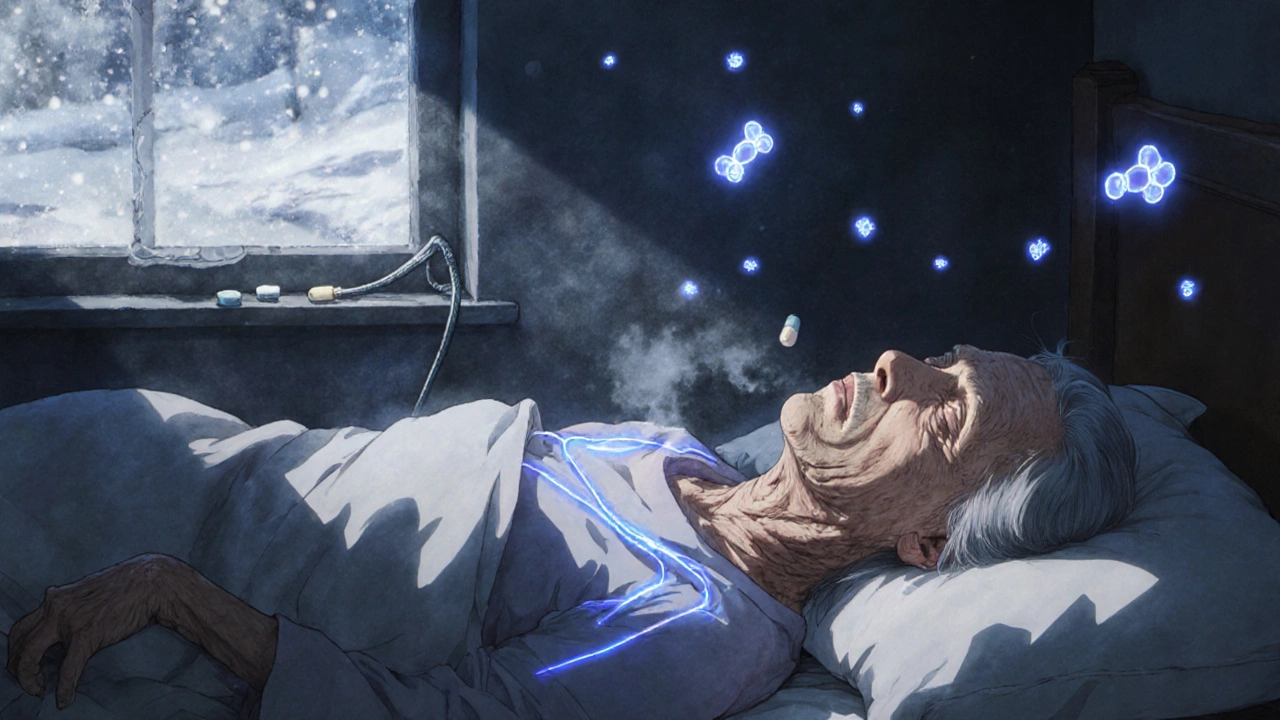
Myxedema coma is a life-threatening emergency caused by severe hypothyroidism. Recognizing symptoms like confusion, extreme cold, and low heart rate-and acting immediately-is critical. Delayed treatment can be fatal.