
Thyroid Emergency: Signs, Causes, and What to Do Now
When your thyroid goes into overdrive, it’s not just feeling run down—it’s a thyroid emergency, a life-threatening surge of thyroid hormones that overwhelms the body’s systems. Also known as thyroid storm, this isn’t a slow-burning issue. It’s a medical crisis that can turn a person from mildly anxious to critically ill in hours. Think of it like a car engine racing at 150 mph with no brakes. Your heart pounds, your body overheats, and your mind races. Without quick treatment, it can lead to heart failure, seizures, or death.
This isn’t just about having an overactive thyroid. It’s what happens when something pushes it over the edge. Common triggers include stopping thyroid meds suddenly, infections like pneumonia or flu, major surgery, trauma, or even childbirth. Some people develop it after taking too much thyroid hormone replacement—especially if they’re unaware their dose is too high. Others get hit by a severe reaction to iodine contrast dye used in scans. And yes, even untreated Graves’ disease can spiral into a full-blown emergency if ignored long enough.
What makes this worse is how easily it’s mistaken for something else. Panic attack? Maybe. Heatstroke? Possibly. Heart attack? That’s often the first guess in the ER. But if you’re sweating buckets, your heart is racing at 140 bpm, you’re confused or agitated, and your fever won’t break—this isn’t stress. It’s your body screaming for help. hyperthyroidism, a chronic condition where the thyroid produces too much hormone is the background condition, but a thyroid emergency, a sudden, extreme worsening of that condition is what demands immediate action.
Doctors don’t wait for lab results when they suspect this. They start treatment right away: beta-blockers to slow the heart, antithyroid drugs to block hormone production, steroids to calm the immune system, and IV fluids to stabilize blood pressure. Time is everything. If you or someone you know shows these signs, call 911 or go straight to the ER. Don’t wait for an appointment. Don’t try to "sleep it off." This isn’t something you can manage at home.
And here’s the hard truth: many people don’t realize they’re at risk. If you’ve been on thyroid meds for years and feel fine, you might think you’re safe. But a single missed dose, a bad infection, or even a stressful event can trigger disaster. That’s why knowing the signs matters more than ever.
Below, you’ll find real-world guides on how medications interact with your thyroid, how to spot hidden dangers in common drugs, and what to do when your body reacts in ways you never expected. These aren’t theoretical articles—they’re written by people who’ve seen what happens when thyroid emergencies are missed, delayed, or misunderstood. What you’re about to read could help you recognize the warning signs before it’s too late.
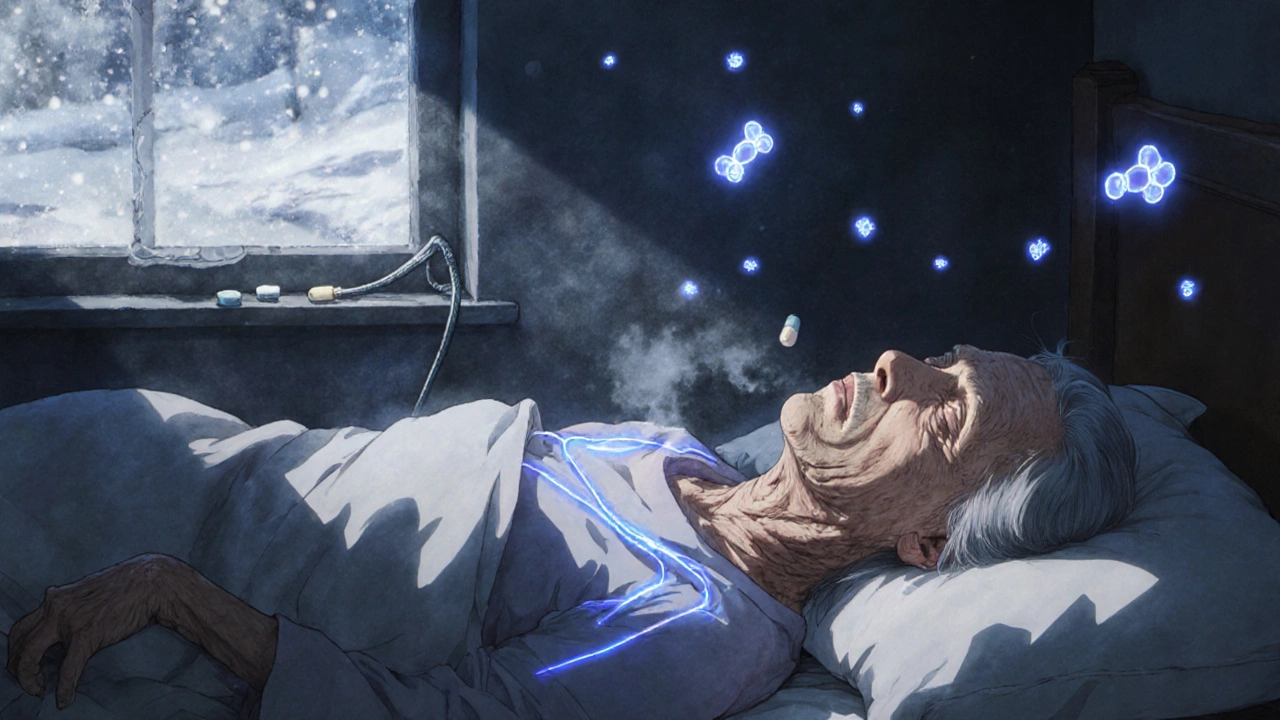
Myxedema coma is a life-threatening emergency caused by severe hypothyroidism. Recognizing symptoms like confusion, extreme cold, and low heart rate-and acting immediately-is critical. Delayed treatment can be fatal.