
Theophylline Toxicity: Signs, Risks, and What to Do If It Happens
When theophylline, a bronchodilator used for asthma and COPD builds up too high in your blood, it turns from a lifesaver into a threat. This is called theophylline toxicity, a dangerous condition caused by excessive levels of the drug in the body. It doesn’t happen overnight—it usually creeps in when doses are too high, when other meds interfere, or when your body can’t clear it properly. Many people don’t realize they’re at risk until they start feeling off: jittery, nauseous, or with a racing heart.
Drug interactions, how one medication affects another in the body are a major cause. If you’re on antibiotics like ciprofloxacin or even common ones like erythromycin, they can slow down how fast your liver breaks down theophylline. Caffeine makes it worse too—your morning coffee or energy drink can push levels into the danger zone. Even smoking changes how your body handles it. If you quit smoking, your doctor might need to lower your dose, or toxicity can sneak up on you. And if you’re older, or have liver or heart problems, your body just doesn’t process it the same way. That’s why regular blood tests aren’t optional—they’re essential.
Early signs are easy to miss: upset stomach, headache, trouble sleeping. But if you start vomiting, shaking, or your heart skips beats or races, this isn’t just discomfort—it’s a medical alert. Severe cases can lead to seizures, irregular heart rhythms, or even cardiac arrest. That’s why knowing your limits matters. Many of the posts here cover similar risks: how opioids and serotonin syndrome, a dangerous reaction from mixing certain drugs can turn safe meds into hazards, or how caffeine and ADHD medications, stimulants that can amplify side effects interact unpredictably. The same logic applies to theophylline. You’re not just taking a pill—you’re managing a chemical balance in your body.
What you’ll find below are real stories and guides from people who’ve been there. Some learned the hard way after mixing theophylline with a new antibiotic. Others found out their dose hadn’t been checked in years. There are tips on how to talk to your pharmacist, how to track your meds, and what questions to ask before starting anything new. This isn’t about fear—it’s about control. You can take your theophylline safely. You just need to know the signs, the risks, and how to speak up before it’s too late.
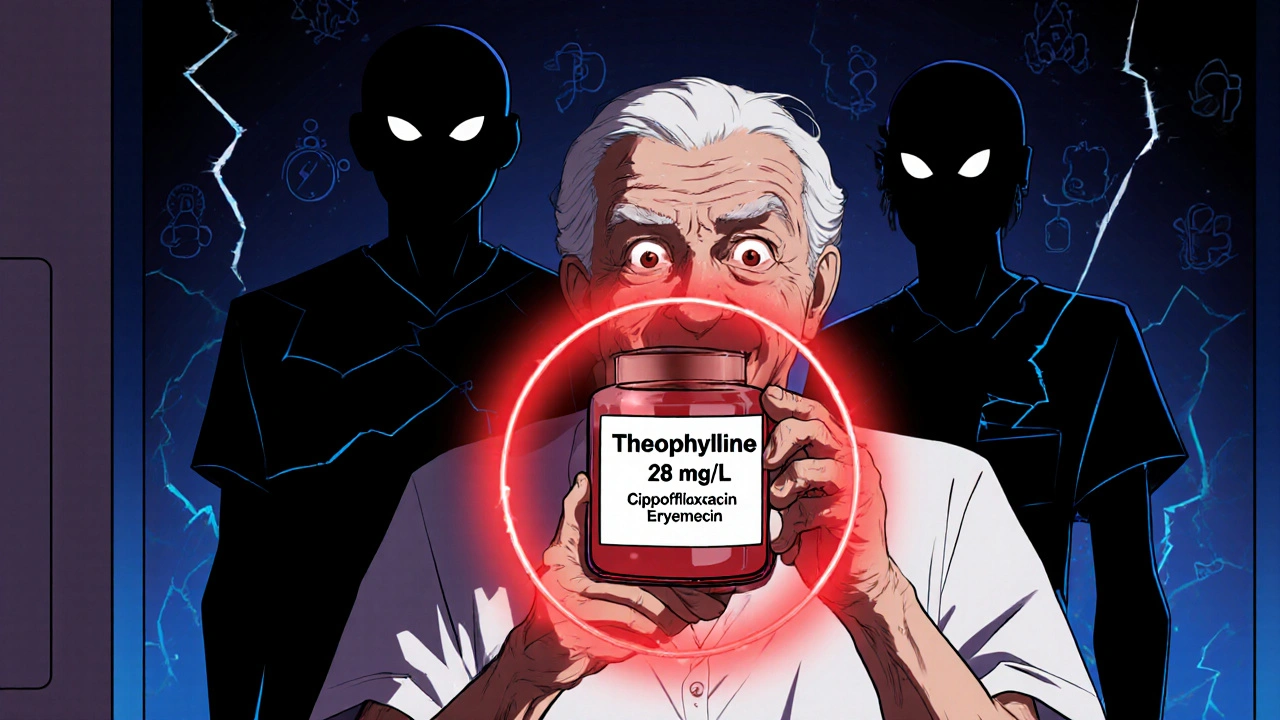
Theophylline has a narrow therapeutic index-tiny margins between effectiveness and deadly toxicity. Regular blood monitoring is essential to avoid seizures, arrhythmias, and death. Learn why this old drug still demands strict oversight.