
Theophylline Levels: What You Need to Know About Monitoring and Safety
When you're taking theophylline, a bronchodilator used to treat asthma and COPD by relaxing airway muscles. Also known as theophylline tablet or syrup, it helps you breathe easier—but only if your blood levels stay in the right range. This isn’t a drug you can just take and forget. The difference between helping you and hurting you comes down to a number: your theophylline levels.
Doctors check these levels because the gap between a helpful dose and a dangerous one is narrow. Too little, and your symptoms won’t improve. Too much, and you risk nausea, rapid heartbeat, seizures, or worse. theophylline toxicity, a life-threatening condition caused by excessive levels in the blood doesn’t happen by accident. It often comes from mixing the drug with other meds, like antibiotics or heart pills, or from changes in how your body processes it—like if you start smoking, stop smoking, or get the flu. Your liver handles theophylline, so anything that affects liver function—alcohol, certain foods, even age—can throw your levels off.
That’s why regular blood tests aren’t optional. They’re part of the treatment. theophylline dosing, the precise amount prescribed based on weight, age, and other medications isn’t one-size-fits-all. A 60-year-old with liver issues needs less than a healthy 30-year-old. Even small changes in your routine can shift your levels. Caffeine, for example, acts like theophylline—so drinking extra coffee might make you feel jittery not because of the coffee, but because your body is overloaded. Some antibiotics, like ciprofloxacin, can cause levels to spike. Others, like rifampin, can make the drug vanish from your system too fast.
You won’t always feel when your levels are off. Some people feel fine even when their numbers are dangerously high. That’s why you can’t rely on symptoms alone. Blood tests are the only real way to know. Your pharmacist can help you track which meds might interfere, and your doctor can adjust your dose before things go wrong. It’s not about being paranoid—it’s about being smart. Theophylline has been around for decades, but it’s still one of the trickiest drugs to use safely without monitoring.
What you’ll find below are real, practical guides from people who’ve been there—how to avoid dangerous interactions, what to do if you miss a dose, how to talk to your doctor about testing, and which other treatments might be safer depending on your situation. These aren’t theory pages. They’re from patients and providers who’ve seen what happens when levels aren’t watched—and what works when they are.
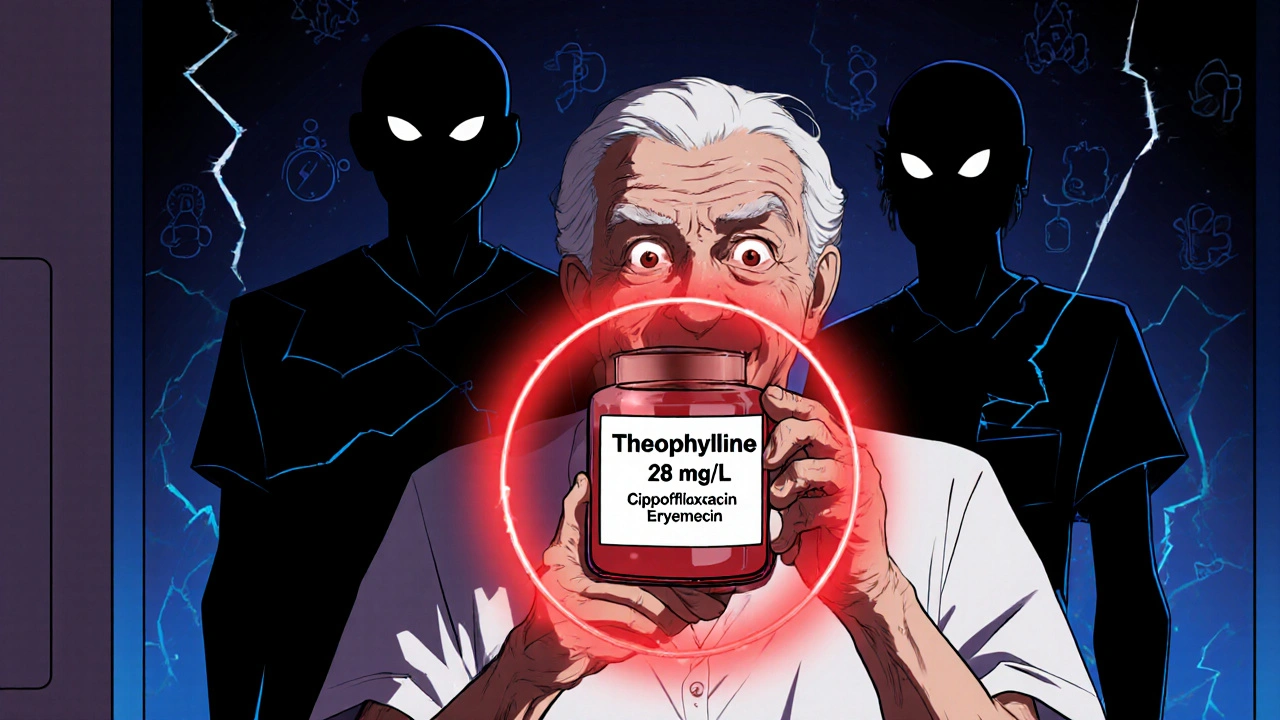
Theophylline has a narrow therapeutic index-tiny margins between effectiveness and deadly toxicity. Regular blood monitoring is essential to avoid seizures, arrhythmias, and death. Learn why this old drug still demands strict oversight.