
Telogen Effluvium: What Causes Hair Loss and How to Fix It
When you notice more hair than usual in your brush or shower drain, it’s often telogen effluvium, a temporary hair shedding condition where a large number of hair follicles shift into resting mode. Also known as stress-induced hair loss, it’s not baldness—it’s your body reacting to something else. This isn’t rare. One in three women and many men experience it after major life events—childbirth, surgery, sudden weight loss, or starting a new medication. It’s not your shampoo. It’s not your genetics. It’s your biology resetting.
What triggers it? medication side effects, like antidepressants, blood pressure drugs, or birth control pills can push hair follicles into early rest. So can stress, whether emotional, physical, or from chronic illness. Even a high fever or severe infection can do it. The hair doesn’t fall out right away—it takes 2 to 4 months. That’s why people often blame their new haircut or shampoo when the real cause happened months earlier.
Here’s the good news: telogen effluvium almost always reverses itself. Once the trigger is gone—your meds are adjusted, your stress drops, your body recovers—the follicles wake up again. Hair starts growing back within 6 to 9 months. But if you don’t know what caused it, you might keep triggering it. That’s why tracking your meds, weight changes, and life events matters. If you’re on a new drug and your hair’s thinning, it’s worth checking if it’s listed as a side effect. Some drugs, like beta-blockers or retinoids, are common culprits. Others, like certain antibiotics or thyroid meds, can do it too.
It’s not the same as male pattern baldness. You won’t see a receding hairline or crown thinning. Instead, your hair feels thinner all over, especially when you pull it gently. You might lose 300 hairs a day instead of 100. But if you’re still getting new growth at the roots, your scalp is healing. No treatment is needed in most cases—just time and patience. Still, some people benefit from gentle scalp care, avoiding tight hairstyles, or checking iron and vitamin D levels. Low iron is a silent trigger, especially in women.
What you’ll find here are real stories and clear guides from people who’ve been through it. You’ll see how certain drugs like SSRIs or statins can cause shedding, how weight loss impacts hair, and how to tell if your hair loss is temporary or something else. No fluff. No hype. Just what works—and what doesn’t. If you’re worried about your hair, you’re not alone. And you’re not broken. You’re just reacting to something your body couldn’t ignore.
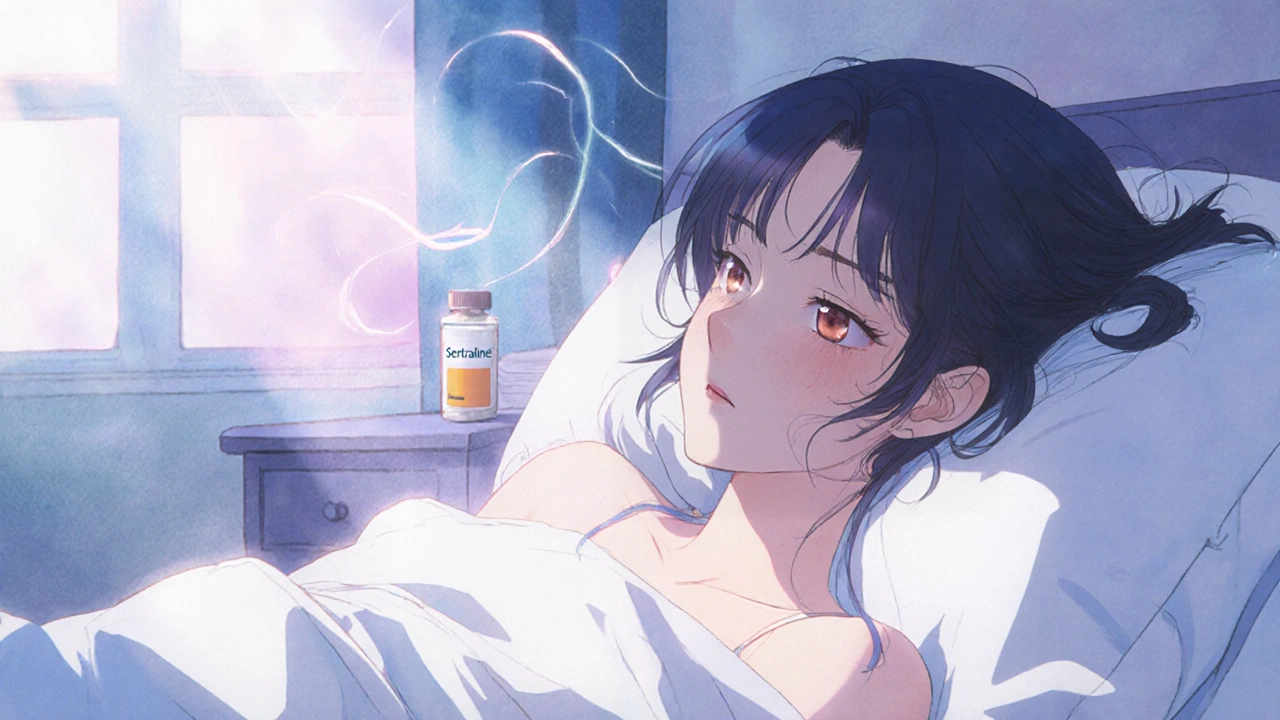
Medication-induced hair loss is a common side effect of many drugs, from antidepressants to chemotherapy. Learn what causes it, which medications trigger it, and proven ways to regrow your hair safely and effectively.