
Stroke Prevention in Elderly: Simple Steps to Reduce Risk and Stay Independent
When it comes to stroke prevention in elderly, the targeted efforts to reduce the chance of a brain blood vessel blockage or rupture in older adults. Also known as cerebrovascular accident prevention, it's not about fancy treatments—it's about consistent, everyday actions that cut risk by half or more. About 80% of strokes in people over 65 are preventable, and most of that comes down to managing what you already know: blood pressure, meds, and habits.
Blood pressure control, the ongoing management of high pressure in arteries that strains vessel walls is the single biggest factor. If you’re over 65 and your systolic number is above 130, you’re at higher risk. It doesn’t matter if you feel fine—high blood pressure doesn’t come with warning signs. Taking your pills daily, cutting salt, and walking 20 minutes most days cuts stroke risk more than any supplement ever will. Aspirin for stroke, a low-dose antiplatelet used to prevent clot formation in at-risk individuals helps some, but only if your doctor says so. It’s not for everyone—bleeding risk goes up with age, and skipping it can be safer than taking it blindly.
Anticoagulants, medications that thin the blood to stop clots from forming in the heart or vessels are critical if you have atrial fibrillation. That irregular heartbeat lets blood pool and clot, and those clots can travel straight to the brain. Warfarin, apixaban, rivaroxaban—these aren’t optional if your doctor says you need them. Skipping doses or stopping because you’re worried about bruising? That’s how strokes happen. And don’t forget: lifestyle changes for stroke, daily habits like quitting smoking, reducing alcohol, eating more vegetables, and staying active aren’t just "good for you." They directly lower your odds. One study showed that older adults who walked daily, ate more plants, and avoided processed meats cut their stroke risk by 60% over five years—even if they had diabetes or high cholesterol.
You won’t find magic pills or miracle diets here. What you will find are real stories from people who avoided stroke by sticking to simple, repeatable steps. The posts below cover how to check for dangerous drug mixes that raise stroke risk, why some blood thinners work better than others for seniors, how diabetes meds can help protect your brain, and what to do if your blood pressure meds cause dizziness. No theory. No fluff. Just what works when you’re 70, 80, or older—and you want to stay out of the hospital.
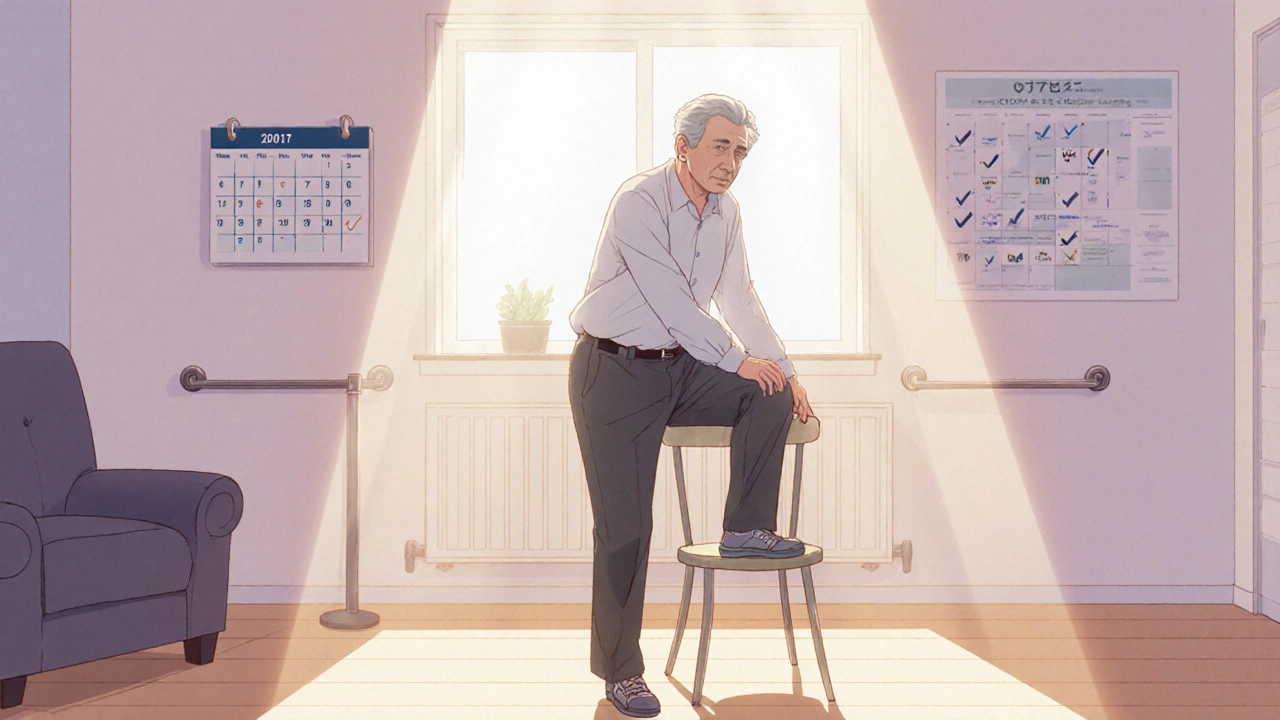
Anticoagulants save lives in seniors with atrial fibrillation by preventing strokes-despite fall risks. Evidence shows stroke prevention benefits far outweigh bleeding risks, even in the oldest patients.