
Stimulant Interactions: What You Need to Know Before Mixing Medications
When you take a stimulant, a drug that increases alertness, energy, and attention—like Adderall, Ritalin, or even some cold medicines. Also known as central nervous system stimulants, they’re prescribed for ADHD, narcolepsy, or sometimes off-label for fatigue. But what many don’t realize is that these drugs don’t play well with others. A simple mix with an antidepressant, a painkiller, or even an herbal supplement can push your body into dangerous territory—like serotonin syndrome, high blood pressure spikes, or even heart rhythm problems.
Serotonin syndrome, a life-threatening reaction caused by too much serotonin in the brain. Also known as serotonin toxicity, it’s not just a risk with SSRIs—it happens when stimulants like tramadol, methylphenidate, or even certain cough syrups team up with antidepressants. Symptoms? Agitation, rapid heartbeat, high fever, muscle rigidity. It doesn’t always show up right away, and it’s often mistaken for the flu or heatstroke. Then there’s blood pressure, a key factor in stimulant safety. Also known as hypertension, it can spike dangerously when stimulants are mixed with decongestants, MAOIs, or even large amounts of caffeine. People with heart conditions or high blood pressure are especially at risk, and many don’t connect their racing pulse to what’s in their medicine cabinet. Even over-the-counter weight loss pills or energy drinks can contain hidden stimulants that multiply the effects of your prescription.
You might think, "I’ve been taking this combo for months—it’s fine." But safety isn’t about how long you’ve done it. It’s about what your body can handle today. One new medication, a change in dose, or even a different brand of supplement can flip the switch. That’s why checking with your pharmacist isn’t just a good idea—it’s your best defense. The posts below cover real cases: how opioids like tramadol can trigger serotonin syndrome when paired with antidepressants, why theophylline needs strict monitoring because of how it interacts with other stimulants, and how acetaminophen quietly affects brain chemistry in ways you wouldn’t guess. You’ll find guides on spotting hidden interactions, using pharmacy consultation services, and knowing when to walk away from a drug combo that’s too risky. This isn’t theoretical. These are the mistakes people make every day—and the fixes that actually work.
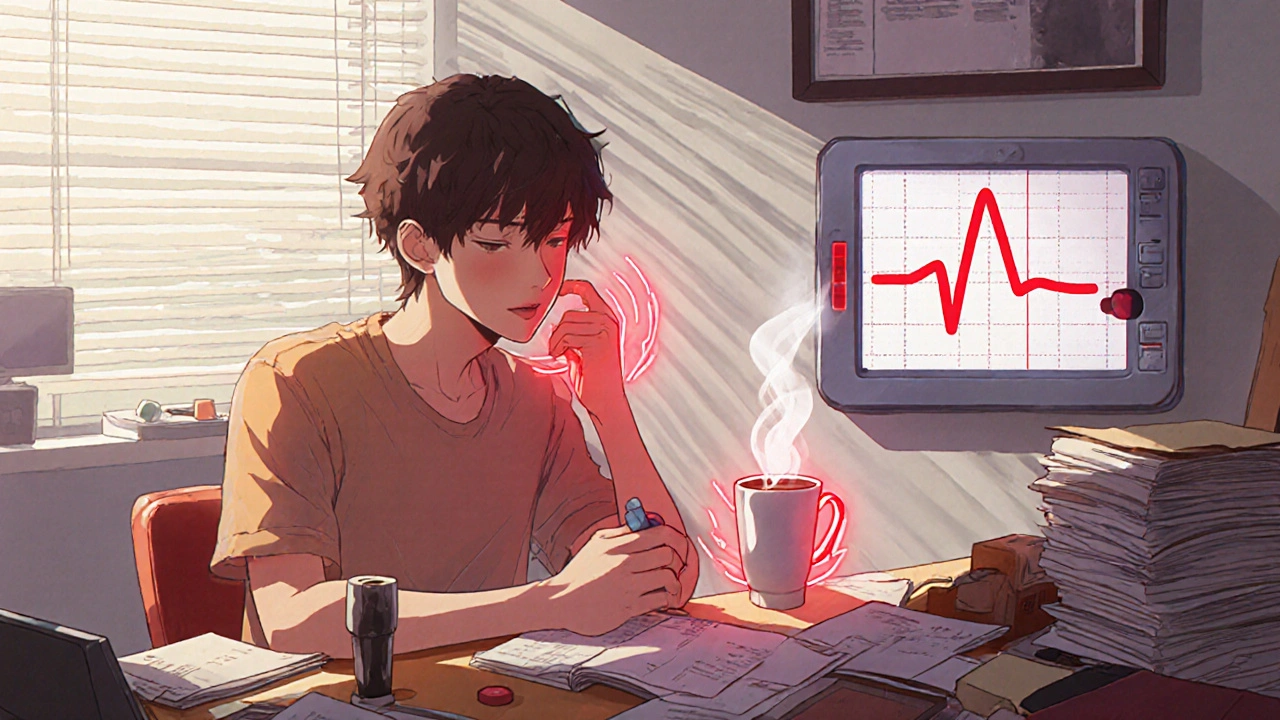
Mixing caffeine with ADHD meds like Adderall can boost focus-but it also raises heart risks and anxiety. Learn how they interact, what side effects to watch for, and safer ways to manage your routine.