
Sleep Hormone: What It Is, How It Works, and What Affects It
When your body prepares for sleep, it releases a chemical called melatonin, a natural hormone produced by the pineal gland that signals darkness and triggers sleepiness. Also known as the sleep hormone, melatonin doesn’t make you tired—it tells your body it’s time to wind down, like a quiet internal alarm clock. This hormone rises in the evening as light fades, peaks in the middle of the night, and drops before sunrise. If your melatonin levels are off, so is your sleep—no matter how tired you feel.
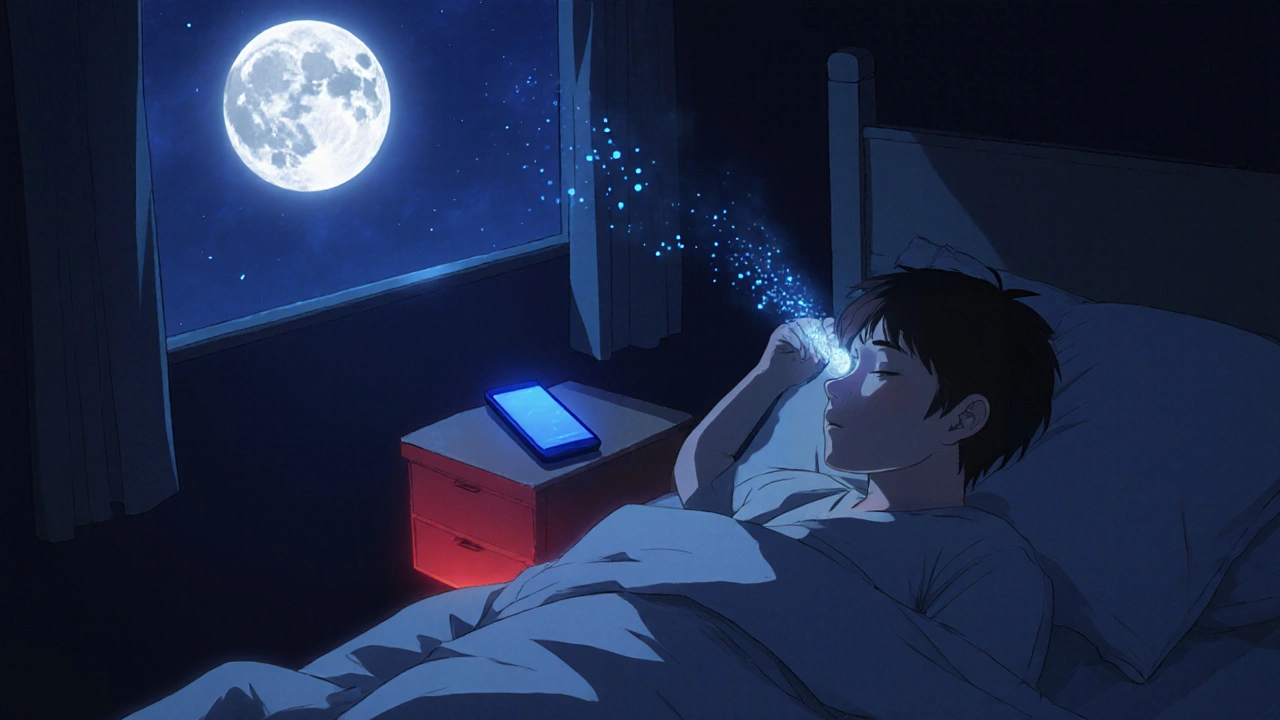
Many things throw melatonin off balance. Blue light from phones and TVs tricks your brain into thinking it’s still daytime, delaying melatonin release. Shift work, jet lag, and irregular sleep schedules do the same. Even certain medications, like beta-blockers or NSAIDs, can lower melatonin production. And if you’re over 50, your body naturally makes less of it—which is why many older adults struggle to stay asleep. The good news? Small changes in light exposure, timing of meals, and daily routines can help your body reset its own rhythm.
It’s not just about falling asleep—it’s about staying asleep and waking up refreshed. That’s why the sleep hormone connects to so many other health topics you’ll find here: from statins that cause vivid dreams, to CPAP machines affected by weight loss, to how acetaminophen changes brain chemistry. Your sleep isn’t isolated. It’s tied to your hormones, your meds, your diet, and even your posture at work. These posts don’t just talk about sleep—they show you how everything else in your life affects it. Below, you’ll find real stories and science-backed tips on how to fix disrupted sleep, understand drug side effects that interfere with rest, and take back control of your nights without quick fixes or empty promises.
Melatonin isn't a sleeping pill - it's a circadian signal. Learn how low doses taken at the right time can fix jet lag and delayed sleep, why high doses backfire, and what the science really says about effectiveness.