
Shingles Shot: What It Is, Who Needs It, and What to Expect
When you had chickenpox as a kid, the virus didn’t leave your body—it hid. Years later, it can wake up as shingles, a painful nerve rash caused by the reactivation of the varicella-zoster virus. Also known as herpes zoster, it doesn’t just cause a rash—it can lead to months of nerve pain, called postherpetic neuralgia, that doesn’t go away even after the blisters heal. The shingles shot, a vaccine designed to prevent this reactivation, is the best defense most adults have.
There are two shingles vaccines, but only one is used today: Shingrix, a two-dose vaccine that’s over 90% effective at preventing shingles and its complications. It replaced the older Zostavax, which wasn’t as strong and is no longer available in the U.S. and many other countries. Shingrix works by boosting your immune system’s memory of the virus, so even if it tries to wake up, your body shuts it down fast. You don’t need to have had chickenpox to get it—most adults over 50 have been exposed, even if they don’t remember it.
It’s not just for older people. The CDC recommends Shingrix for adults 50 and older, no matter if they’ve had shingles before or got the old vaccine. Even if you’re healthy, your immune system weakens with age, and that’s when the virus gets its chance. People with weakened immune systems from conditions like diabetes, HIV, or cancer treatments also need it—but they might need special timing or dosing. The shot isn’t for everyone: if you’ve had a severe allergic reaction to any part of it, or you’re sick with a fever right now, wait.
The side effects? Mostly mild. Sore arm, fatigue, headache, or muscle pain for a day or two. Some people feel like they’ve been hit by a truck, but that’s rare. The pain from shingles? That can last months. And if it hits your face, it can damage your vision. Shingrix doesn’t just prevent the rash—it cuts the risk of long-term nerve pain by more than 90%.
You’ll need two shots, spaced 2 to 6 months apart. Missing the second dose means you’re not fully protected. Pharmacies, clinics, and your doctor’s office all give it. Most insurance plans, including Medicare Part D, cover it with no out-of-pocket cost. It’s one of the few vaccines that’s both highly effective and widely accessible.
The posts below cover what happens when you mix shingles with other conditions—like how it interacts with immune system drugs, what to do if you’re on steroids, or how pain meds help after the rash is gone. You’ll find real advice on managing complications, avoiding dangerous drug combos, and understanding why this vaccine matters more than ever for adults over 50. This isn’t just about prevention—it’s about protecting your quality of life long after the rash fades.
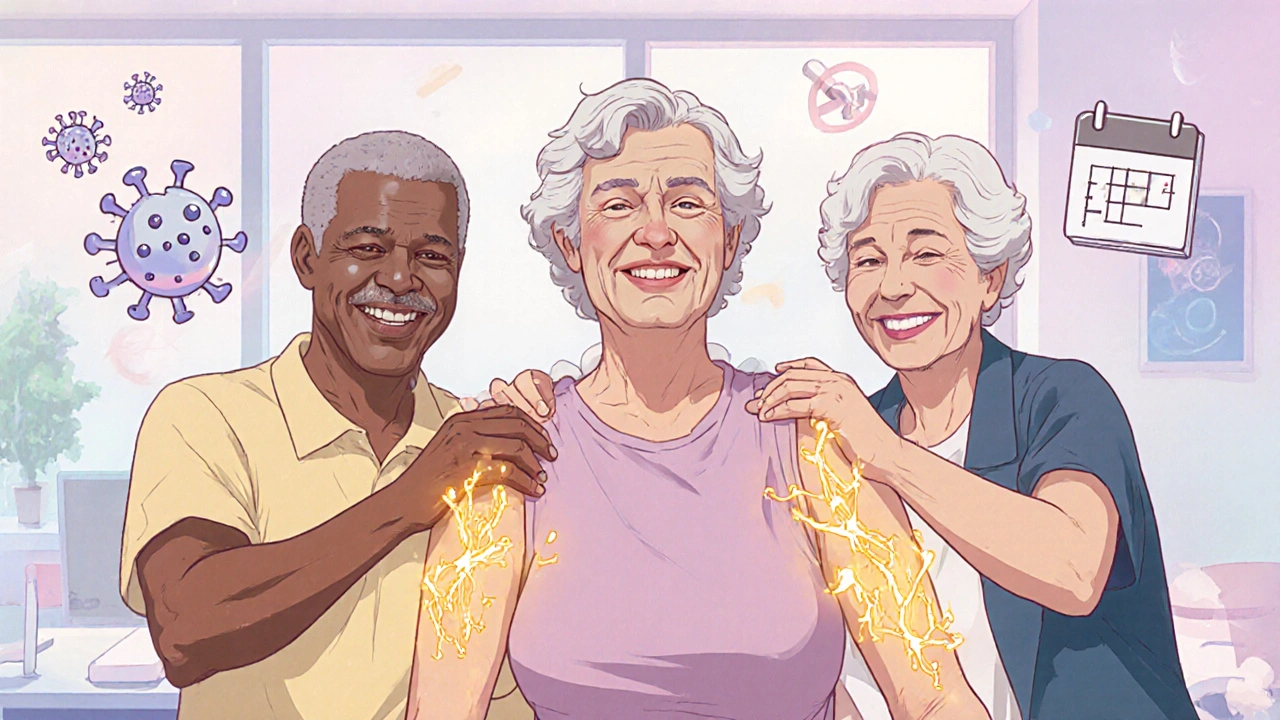
Shingrix is the only shingles vaccine recommended in the U.S. It's highly effective for adults 50+ and immunocompromised adults 19+. Learn who should get it, how it works, side effects, cost, and why it's better than the old vaccine.