
Severe Hypothyroidism: Symptoms, Causes, and What Medications Can Help
When your thyroid stops working properly, your whole body feels it. Severe hypothyroidism, a condition where the thyroid gland produces almost no thyroid hormone, is more than just feeling tired—it can slow your heart, raise your cholesterol, and even lead to life-threatening complications if ignored. It’s not just a mild case of low energy. People with severe hypothyroidism often struggle with extreme fatigue, unexplained weight gain, cold intolerance, and brain fog that doesn’t go away. This isn’t something you can fix with coffee or a nap.
Levothyroxine, the standard synthetic thyroid hormone used to replace what your body can’t make, is the go-to treatment for most people. But getting the dose right matters. Too little and symptoms stick around; too much and you risk heart palpitations, bone loss, or even atrial fibrillation. That’s why regular thyroid function tests, blood tests that measure TSH and free T4 levels, are non-negotiable. These aren’t one-time checks—they’re ongoing tools to keep your hormone levels in the safe zone. And if you’re on other meds—like cholesterol drugs, antidepressants, or even calcium supplements—you need to know they can interfere with how well levothyroxine works.
Severe hypothyroidism doesn’t just happen overnight. It often builds up over years, especially in women over 60, or after thyroid surgery, radiation, or autoimmune damage like Hashimoto’s. Left untreated, it can lead to myxedema coma—a rare but deadly emergency where your body’s systems start shutting down. That’s why recognizing the signs early is critical: dry skin, hoarse voice, puffy face, constipation, and muscle weakness aren’t just annoying—they’re red flags.
Some people think once they start thyroid meds, they’re fine. But that’s not true. Many still feel off because their dose isn’t optimized, or they’re taking it with food or coffee that blocks absorption. Others don’t realize that certain drugs—like lithium or amiodarone—can actually cause hypothyroidism in the first place. And if you’re dealing with heart disease or older than 70, your doctor might start you on a lower dose to avoid stressing your heart.
What you’ll find in the posts below isn’t just theory. It’s real-world advice from people who’ve been there. You’ll see how drug interactions can sabotage your thyroid treatment, why some meds cause hair loss or sleep problems when your thyroid is already struggling, and how simple things like timing your pill or checking your lab results can make a huge difference. There’s no fluff here—just what works, what doesn’t, and what you need to ask your doctor to stay safe and feel better.
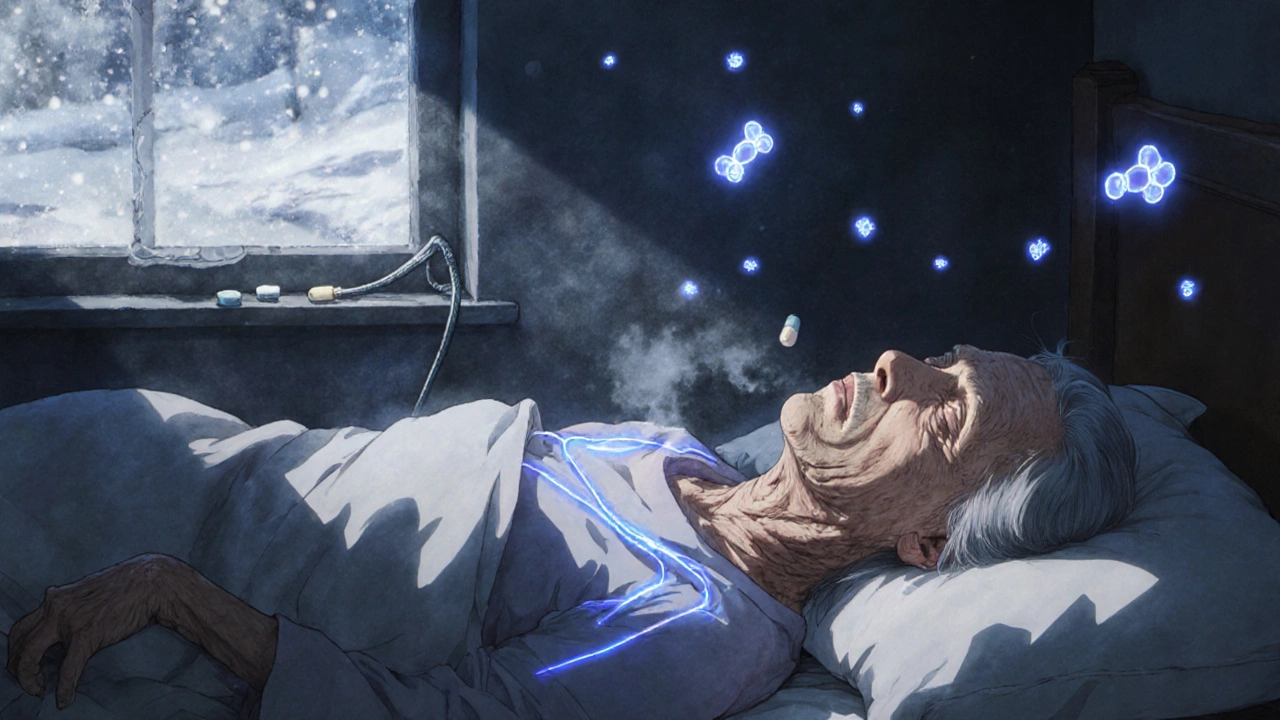
Myxedema coma is a life-threatening emergency caused by severe hypothyroidism. Recognizing symptoms like confusion, extreme cold, and low heart rate-and acting immediately-is critical. Delayed treatment can be fatal.