
Recombinant Zoster Vaccine: What It Is, Who Needs It, and How It Works
When you hear recombinant zoster vaccine, a non-live vaccine designed to prevent shingles by using a piece of the virus to trigger a strong immune response. Also known as Shingrix, it is the recommended shingles vaccine for adults 50 and older, replacing the older live vaccine that had lower effectiveness and more restrictions. Unlike the old version, this one doesn’t use the live virus at all. Instead, it uses a protein from the virus called glycoprotein E, paired with a powerful adjuvant that boosts your immune system’s response. That’s why it works better—even in people with weak immune systems or those over 70.
Shingles, caused by the same virus that gives you chickenpox, doesn’t just cause a painful rash. It can lead to long-term nerve pain called postherpetic neuralgia, which lasts months or even years. The recombinant zoster vaccine, a non-live vaccine designed to prevent shingles by using a piece of the virus to trigger a strong immune response. Also known as Shingrix, it is the recommended shingles vaccine for adults 50 and older, replacing the older live vaccine that had lower effectiveness and more restrictions. reduces your risk of shingles by over 90% in the first few years after vaccination. Even if you’ve had shingles before, you still need it—because the virus can reactivate again. And if you’re over 50 and never had chickenpox, you likely still had the virus silently hiding in your nerves. The vaccine protects you either way.
It’s given in two doses, spaced 2 to 6 months apart. Side effects are common but short-lived—sore arm, fatigue, headache, or muscle pain. These aren’t signs the vaccine gave you shingles; they’re proof your immune system is doing its job. People on chemotherapy, taking high-dose steroids, or with autoimmune diseases can safely get it, unlike the old vaccine. That’s a big deal for older adults managing other health conditions. The recombinant zoster vaccine, a non-live vaccine designed to prevent shingles by using a piece of the virus to trigger a strong immune response. Also known as Shingrix, it is the recommended shingles vaccine for adults 50 and older, replacing the older live vaccine that had lower effectiveness and more restrictions. is also recommended for those who got the old shingles vaccine years ago—because it’s simply more effective.
It’s not just about avoiding pain. Shingles can lead to vision loss, hearing problems, or even brain inflammation. Preventing it saves money, reduces doctor visits, and keeps you moving without constant discomfort. The recombinant zoster vaccine, a non-live vaccine designed to prevent shingles by using a piece of the virus to trigger a strong immune response. Also known as Shingrix, it is the recommended shingles vaccine for adults 50 and older, replacing the older live vaccine that had lower effectiveness and more restrictions. is covered by most insurance plans, including Medicare Part D. If you’re unsure whether you’ve had chickenpox or if you’re eligible, talk to your pharmacist. They can check your records and tell you if you’re due for the shot.
Below, you’ll find real-world guides on how this vaccine fits into your overall health plan—what to expect after getting it, how it interacts with other meds, and why timing matters if you’re managing other chronic conditions. Whether you’re 52 and thinking about it, or 75 and wondering if it’s too late, these posts give you the facts without the fluff.
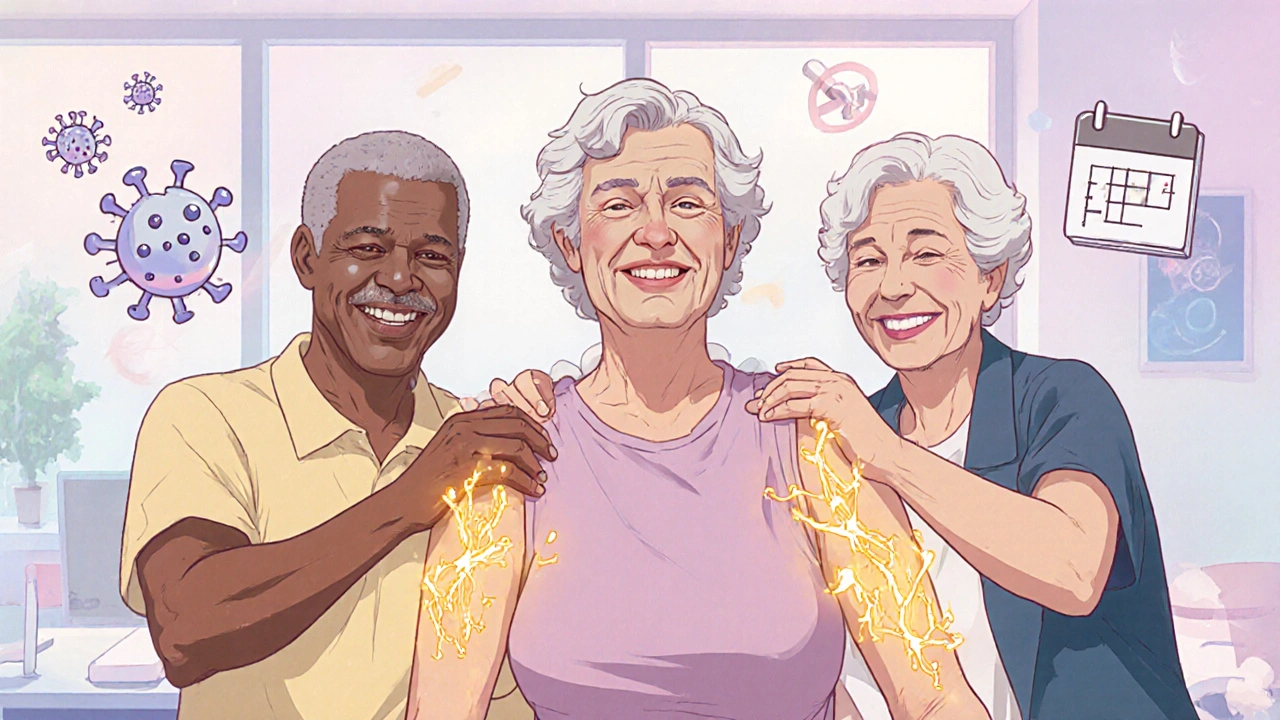
Shingrix is the only shingles vaccine recommended in the U.S. It's highly effective for adults 50+ and immunocompromised adults 19+. Learn who should get it, how it works, side effects, cost, and why it's better than the old vaccine.